
Taste of Cherry (1997)
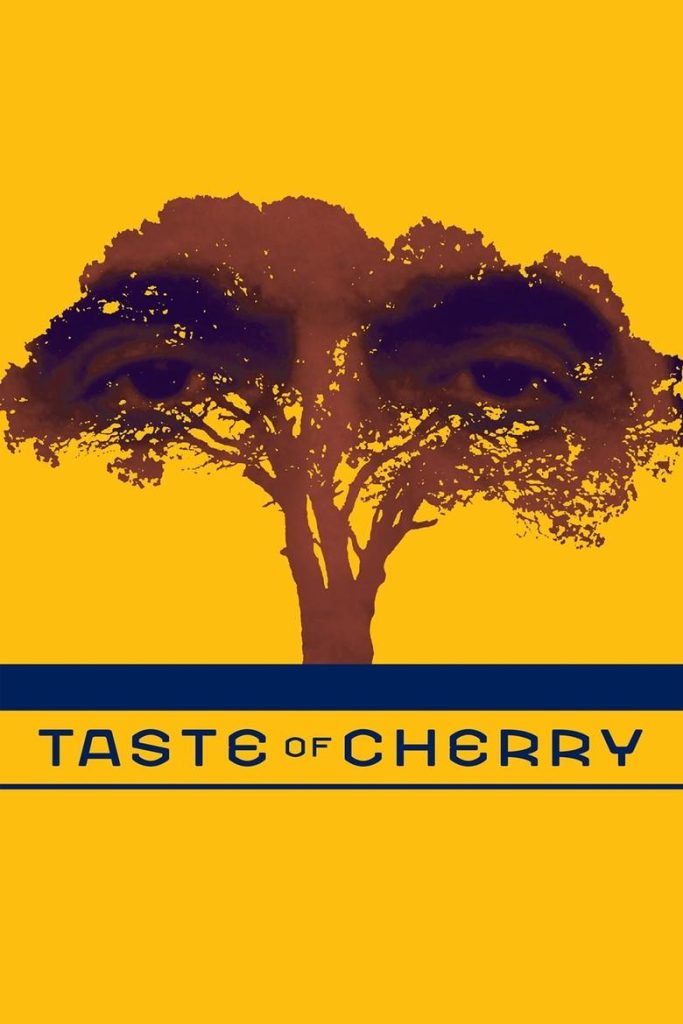
Story overview
This 1997 Iranian drama follows a man driving through the outskirts of Tehran as he searches for someone to help him with a personal task. The film explores themes of life, death, and human connection through quiet conversations and contemplative moments. It presents a philosophical meditation on existence rather than a traditional narrative-driven story.
Parent Guide
A contemplative drama exploring existential themes through conversation and landscape. Suitable for mature viewers who appreciate philosophical discussions.
Content breakdown
No physical violence or perilous situations depicted
Themes of mortality and existential crisis may be disturbing to sensitive viewers
No offensive language noted
No sexual content or nudity
No substance use depicted
Emotionally heavy themes about life and death presented in a thoughtful manner
Parent tips
This film deals with mature themes of existential crisis and mortality in a thoughtful, slow-paced manner. The content is appropriate for older children and teenagers who can handle abstract philosophical discussions, but younger viewers may find the pacing too slow and the themes confusing or distressing.
Parents should be prepared to discuss the film's central themes about life's meaning and choices. The movie's contemplative nature makes it suitable for family viewing with older children who enjoy thoughtful discussions about deeper subjects.
Parent chat guide
Discuss how different people find meaning in life and how we support others during difficult times. The film provides an opportunity to talk about empathy, listening, and how we approach conversations about serious topics.
Parent follow-up questions
- What did you notice about the different places the car drove to?
- How did the people in the car talk to each other?
- What colors did you see in the movie?
- Why do you think the man was talking to different people?
- How did the conversations make you feel?
- What do you think the man was looking for?
- What do you think the film was saying about helping others?
- How did the landscape and setting contribute to the mood?
- What different perspectives did the various characters offer?
- How does the film explore the concept of personal responsibility?
- What philosophical questions does the movie raise about life choices?
- How does the minimalist style affect your engagement with the themes?
🎭 Story Kernel
At its core, 'Taste of Cherry' is less about suicide and more about the profound human need for a witness. Mr. Badii's quest isn't for death itself, but for validation of his despair and the assurance that his existence—and its end—will be acknowledged. Each passenger becomes a mirror reflecting different philosophies: the young soldier's fear, the seminarian's religious condemnation, the taxidermist's pragmatic acceptance. The film argues that meaning isn't found in grand answers but in the simple, shared human contract—the request for a handful of dirt to be thrown, a final gesture of connection that paradoxically reaffirms life's basic interdependence.
🎬 Visual Aesthetics
Kiarostami's visual language is one of stark, earth-toned minimalism. The camera remains largely static, often framing Mr. Badii's car as a tiny, isolated object traversing vast, sun-bleached landscapes of dirt and rock. This creates a profound sense of existential scale. The interior shots are claustrophobic, trapping us with the protagonist's quiet desperation. The dominant palette of browns, ochers, and dusty yellows visually merges man with the earth he wishes to return to. There's no dramatic lighting or sweeping shots; the austerity forces us to focus entirely on the dialogue and the weight of the unspoken, making the final, jarring cut to grainy digital footage all the more destabilizing.
🔍 Details & Easter Eggs
💡 Behind the Scenes
The film's controversial, meta-filmic ending—cutting to grainy video of the crew filming—was a direct response to Iranian censorship. Kiarostami couldn't explicitly show a successful suicide, so he broke the fourth wall, reminding us we're watching a construction. Lead actor Homayoun Ershadi was not a professional but an architect Kiarostami spotted driving in Tehran. The iconic final shot of the director and crew was filmed with a low-quality digital camera, intentionally contrasting the 35mm film's texture to emphasize the rupture between the story's reality and our own.
Where to watch
Choose region:
- HBO Max
- HBO Max Amazon Channel
- Criterion Channel
Trailer
Trailer playback is unavailable in your region.