
Taxi Driver (1976)
Story overview
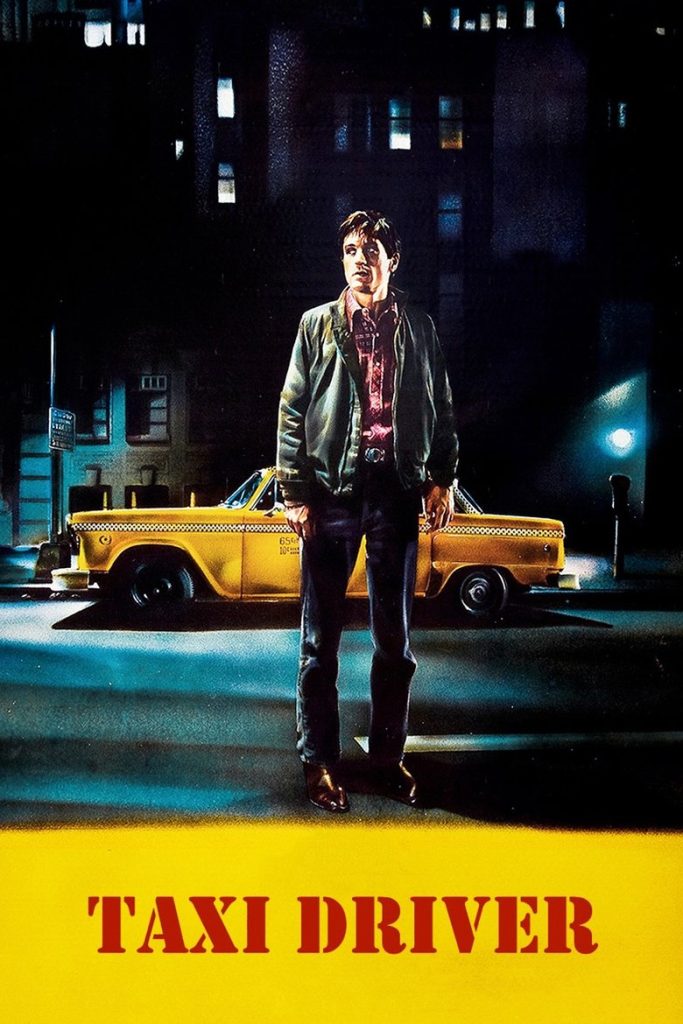
Taxi Driver is a psychological drama about a lonely, troubled taxi driver in New York City who becomes increasingly isolated and disturbed. The film explores his descent into violent fantasies as he struggles with insomnia and alienation in the urban environment. It's a character study of a man losing touch with reality while navigating the gritty streets of 1970s Manhattan.
Parent Guide
A psychologically intense drama with mature themes of violence, isolation, and mental deterioration. Recommended for mature teens only with parental guidance.
Content breakdown
Contains scenes of gun violence, bloody aftermath, and violent confrontations. The violence is impactful and central to the story's themes.
Features psychological disturbance, intense themes of isolation and mental deterioration, and disturbing character behavior that could be unsettling.
Includes strong language and racial slurs consistent with the gritty urban setting and character dialogue.
Contains references to sexual themes, brief sexual situations, and discussions of adult relationships within the context of the story.
Shows characters drinking alcohol in social settings and bars, with some scenes depicting intoxication.
High emotional intensity throughout, focusing on psychological distress, alienation, and disturbing character development.
Parent tips
This film contains intense psychological themes and disturbing content that makes it unsuitable for younger viewers. The R rating reflects strong violence, language, and mature themes throughout. Parents should be aware that the main character's mental deterioration and violent impulses are central to the story, which could be distressing for sensitive viewers.
Consider the emotional maturity of your teen before viewing, as the film deals with isolation, urban decay, and psychological instability. The portrayal of violence, while not excessively graphic by modern standards, is impactful and serves to illustrate the character's disturbed state of mind.
Parent chat guide
After viewing, focus discussions on how the film portrays loneliness and mental health issues. Ask about the difference between fantasy and reality in the story, and how the urban setting contributes to the character's isolation. This can lead to conversations about empathy, mental health awareness, and how media portrays troubled individuals.
Parent follow-up questions
- What makes someone feel lonely?
- How do people help each other feel better?
- What are some happy things we can do when we feel sad?
- Who can we talk to when we have big feelings?
- Why do you think the main character felt so alone in the city?
- How can we tell when someone might need help or friendship?
- What are healthy ways to deal with angry or sad feelings?
- How do movies show us what characters are thinking and feeling?
- What does the film show about how loneliness can affect people?
- How does the city setting contribute to the character's isolation?
- What responsibility do we have toward people who seem troubled or alone?
- How do movies explore difficult topics like mental health?
- How does the film portray the relationship between urban environment and mental health?
- What commentary does the film make about violence and isolation in society?
- How does the main character's perception of reality change throughout the story?
- What ethical questions does the film raise about intervention and responsibility?
- How does the film's style and atmosphere contribute to its psychological impact?
🎭 Story Kernel
Taxi Driver is less about vigilantism than about the psychological disintegration of a man who can't connect with reality. Travis Bickle isn't driven by political ideology or moral outrage—he's driven by profound alienation and sexual frustration. His 'mission' to clean up the city is merely a narrative he constructs to give purpose to his emptiness. The film explores how loneliness warps perception: Travis sees corruption everywhere because he's fundamentally disconnected from human warmth. His failed attempts at normalcy (with Betsy, with Iris) reveal how society's rejects create their own violent meaning when excluded from conventional relationships. The ending's ambiguity suggests this cycle of alienation and violence is perpetual in urban America.
🎬 Visual Aesthetics
Scorsese's visual language creates a fever dream of New York. The iconic Steadicam shots following Travis through neon-lit streets make the viewer complicit in his voyeurism. The color palette—dominated by sickly yellows, blood reds, and inky blacks—mirrors Travis's deteriorating mental state. Reflections in car windows and mirrors constantly show Travis fragmented, visually representing his split psyche. The famous 'You talkin' to me?' scene uses a tight, unstable close-up that makes us feel trapped in his head. The climactic shootout's slow-motion violence has an almost balletic quality, contrasting grotesque bloodshed with artistic composition to disturb the viewer's moral bearings.
🔍 Details & Easter Eggs
💡 Behind the Scenes
Robert De Niro actually obtained a taxi license and drove cabs for weeks to prepare, picking up passengers who never recognized him. The blood in the climactic shootout was so excessive that the MPAA initially gave the film an X rating until Scorsese desaturated the color to a darker, less vibrant red. The script was originally written in the 1960s about a man who assassinates a political figure, but was rewritten after multiple real-life assassinations made the subject too sensitive. Jodie Foster, only 12 during filming, had a social worker on set at all times due to the mature content.
Where to watch
Choose region:
- Netflix
- fuboTV
- Paramount+ Amazon Channel
- Netflix Standard with Ads
- Paramount Plus Essential
- Paramount Plus Premium
- Amazon Video
- Apple TV
- Google Play Movies
- YouTube
- Fandango At Home
- Spectrum On Demand
Trailer
Trailer playback is unavailable in your region.