
Te Ata (2017)
Story overview
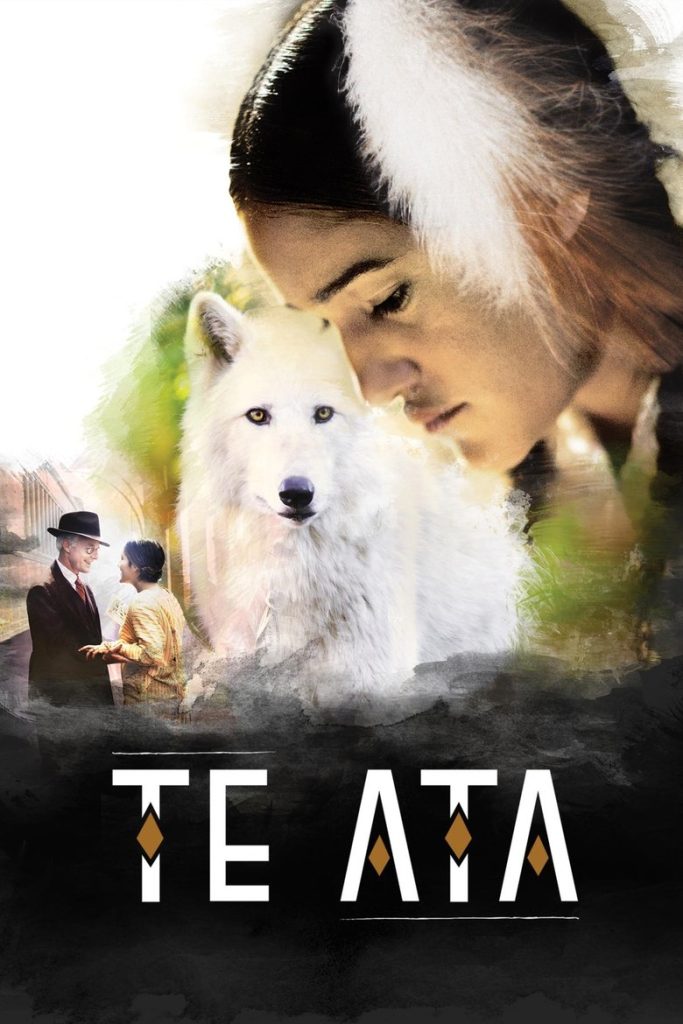
Te Ata is a 2017 biographical drama based on the true story of Mary Thompson Fisher, a Chickasaw storyteller and performer who shared Native American culture with audiences worldwide in the early 20th century. The film follows her journey from childhood in Oklahoma to becoming a celebrated artist who performed for presidents and international dignitaries. It highlights her dedication to preserving and promoting Indigenous traditions through storytelling and performance.
Parent Guide
Family-friendly biographical drama with positive themes about cultural heritage and perseverance.
Content breakdown
No violence or peril depicted.
No scary or disturbing content.
No concerning language.
No sexual content or nudity.
No substance use depicted.
Mild emotional moments related to cultural identity and pursuing dreams.
Parent tips
This PG-rated drama offers a positive portrayal of cultural heritage and perseverance, making it suitable for family viewing. Parents can use the film to discuss Native American history, the importance of preserving cultural traditions, and overcoming challenges to pursue one's passions. The story's inspirational themes and lack of concerning content make it appropriate for most children, though younger viewers might need help understanding some historical contexts.
Parent chat guide
Parent follow-up questions
- What was your favorite story Te Ata told?
- How did Te Ata make people happy with her performances?
- What colors or sounds did you like in the movie?
- Why was it important for Te Ata to share her stories?
- What challenges did she face in becoming a performer?
- How did her family support her dreams?
- How did Te Ata help people understand Native American culture?
- What does it mean to be a cultural ambassador?
- Why might her work have been especially important during her lifetime?
- How did Te Ata navigate between different cultural expectations?
- What contemporary parallels exist for cultural preservation work today?
- How does her story reflect broader themes of Indigenous representation in American history?
🎭 Story Kernel
At its core, 'Te Ata' is less a biopic and more a meditation on performance as preservation. The film explores how Te Ata's storytelling isn't merely entertainment but a sacred act of cultural transmission, a living archive for her Chickasaw heritage. Her drive stems from a profound responsibility to her grandfather's teachings and the fear that without active remembrance, identity dissolves. The central tension isn't about fame, but about the weight of being a bridge between a marginalized past and an indifferent present, using the very stage that often exoticizes to instead educate and humanize.
🎬 Visual Aesthetics
The cinematography employs a deliberate, earthy color palette—rich browns, deep greens, and muted golds—connecting Te Ata to the land of her people. Scenes in nature feel expansive and sacred, using wide shots to show her smallness against the landscape's permanence. In contrast, the stages and parlors of white society are framed with tighter, more rigid compositions, often cooler in tone, visually emphasizing the cultural confinement she navigates. The camera often lingers on her hands during storytelling, making her gestures as important as her words, and uses soft focus in flashbacks to her childhood, rendering memory as both vivid and fragile.
🔍 Details & Easter Eggs
💡 Behind the Scenes
The film is based on the true story of Mary Thompson Fisher, known professionally as Te Ata. The lead role is portrayed by Q'orianka Kilcher, who is of Quechua-Huachipaeri descent, bringing her own experience with indigenous heritage to the performance. Much of the filming took place in Oklahoma, the historical homeland of the Chickasaw Nation, adding authenticity to the locations. The Chickasaw Nation was actively involved in production to ensure cultural accuracy.
Where to watch
Choose region:
- Peacock Premium
- Peacock Premium Plus
- Tubi TV
- Amazon Video
- Apple TV
- Google Play Movies
- YouTube
Trailer
Trailer playback is unavailable in your region.