
Tell It to the Bees (2019)
Story overview
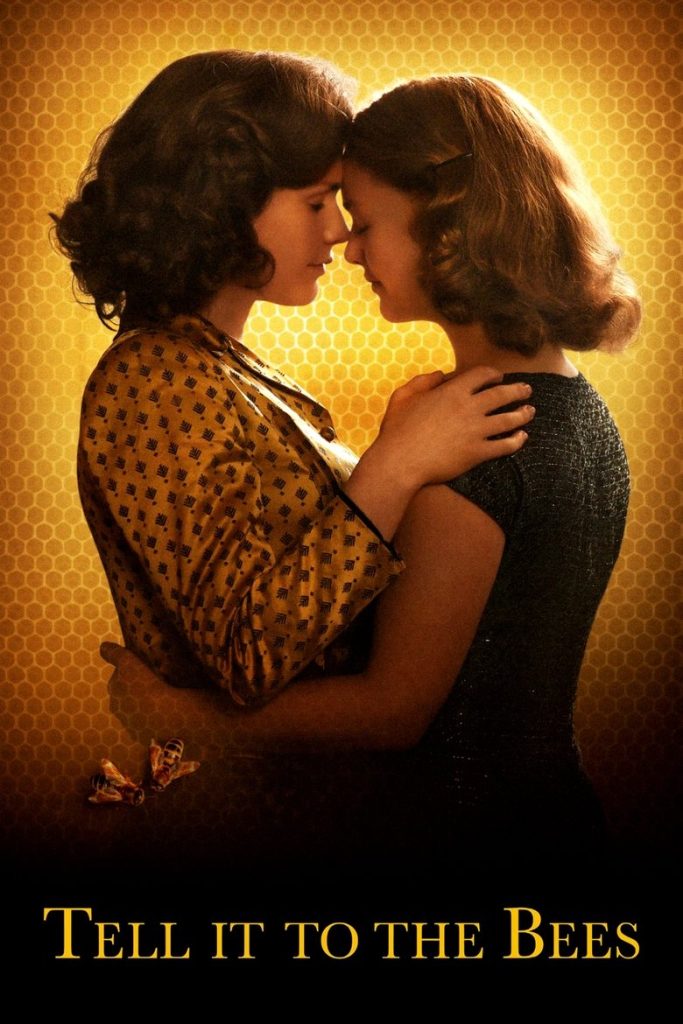
Tell It to the Bees is a 2019 romantic drama set in a small Scottish town in the 1950s. The story follows a doctor who returns to her hometown and develops a close relationship with a struggling single mother and her young son. Their growing connection faces challenges from the conservative community's prejudices and social expectations of the era. The film explores themes of love, acceptance, and personal courage against societal pressures.
Parent Guide
A period drama exploring same-sex relationships in 1950s Scotland with mature themes and emotional intensity.
Content breakdown
Some tense social situations and emotional confrontations, but no physical violence depicted.
Emotional distress related to social rejection and family struggles, but no horror or jump scares.
Period-appropriate dialogue with occasional mild language reflecting social tensions.
Romantic relationships and intimacy are central themes, with implied sexual content appropriate to the TV-MA rating.
Social drinking in period-appropriate settings, consistent with the historical context.
Strong emotional themes around love, rejection, identity, and societal pressure in a restrictive historical setting.
Parent tips
This film deals with mature themes including same-sex relationships in a historical context where such relationships were stigmatized. Parents should be aware that the TV-MA rating indicates content suitable for mature audiences only. The story includes emotional intensity around social rejection and personal identity struggles. Consider your child's maturity level and readiness to discuss complex social issues before viewing.
Parent chat guide
Parent follow-up questions
- What did you think about the bees in the movie?
- How did the boy feel when he talked to the bees?
- What colors did you see in the movie?
- What was your favorite part of the story?
- How do you think the characters felt when they were together?
- Why do you think the town had rules about how people should live?
- How did the characters show they cared about each other?
- What challenges did the mother face in the story?
- How did the bees help tell the story?
- What did you learn about how people lived in the past?
- How did the historical setting affect the characters' choices?
- What does the film show about standing up for what you believe in?
- How do the characters deal with people who don't accept them?
- What role does the community play in the story?
- How does the film show different types of love and friendship?
- How does the film explore the tension between personal identity and societal expectations?
- What historical context is important for understanding the characters' struggles?
- How does the film portray the consequences of living authentically in a restrictive society?
- What commentary does the film make about progress and social change?
- How do the relationships in the film challenge traditional family structures?
🎭 Story Kernel
At its core, 'Tell It to the Bees' is a poignant exploration of societal suffocation versus the quiet, defiant act of living authentically. It's not merely a lesbian romance but a study of how small-town 1950s Scotland polices women's bodies, desires, and economic independence. Dr. Jean Markham's return is driven by a need for rootedness and intellectual purpose, while Lydia Weekes is propelled by sheer survival for herself and her son. Their connection becomes an act of mutual salvation—Jean finds emotional thawing, Lydia discovers agency—against a backdrop where gossip is currency and conformity is violence. The bees symbolize not just whispered secrets but the intricate, fragile society the women must navigate and ultimately choose to leave behind for a chance at freedom.
🎬 Visual Aesthetics
The film employs a restrained, almost painterly visual grammar. The palette is dominated by muted greens, browns, and greys of the Scottish landscape and the drab interiors, making the occasional warmth—the golden honey, the red of Lydia's lipstick—feel like radical acts of color. Cinematography favors intimate, static frames and close-ups, trapping characters within the composition as society traps them in roles. The bee sequences are shot with a macro-lens intimacy, blurring the line between observer and hive, mirroring the women's scrutinized lives. Slow, deliberate pacing and natural lighting create a palpable atmosphere of quiet tension, where a lingering glance holds more weight than any shouted argument.
🔍 Details & Easter Eggs
💡 Behind the Scenes
The film is an adaptation of Fiona Shaw's 2009 novel (not to be confused with the actress). It was shot on location in rural Scotland, with many exterior scenes filmed in and around the town of Doune to capture the authentic, imposing landscape. Anna Paquin (Lydia) and Holliday Grainger (Jean) performed many of their apiary scenes with real bees and a beekeeper consultant on set to ensure authenticity. The production carefully sourced period-appropriate medical equipment and costumes to ground the 1950s setting without romanticizing it, emphasizing the period's material constraints on women's lives.
Where to watch
Choose region:
- Peacock Premium
- Peacock Premium Plus
- The Roku Channel
- Fandango at Home Free
- Amazon Video
- Apple TV
- Google Play Movies
- YouTube
- Fandango At Home
Trailer
Trailer playback is unavailable in your region.