
Tell Me Who I Am (2019)
Story overview
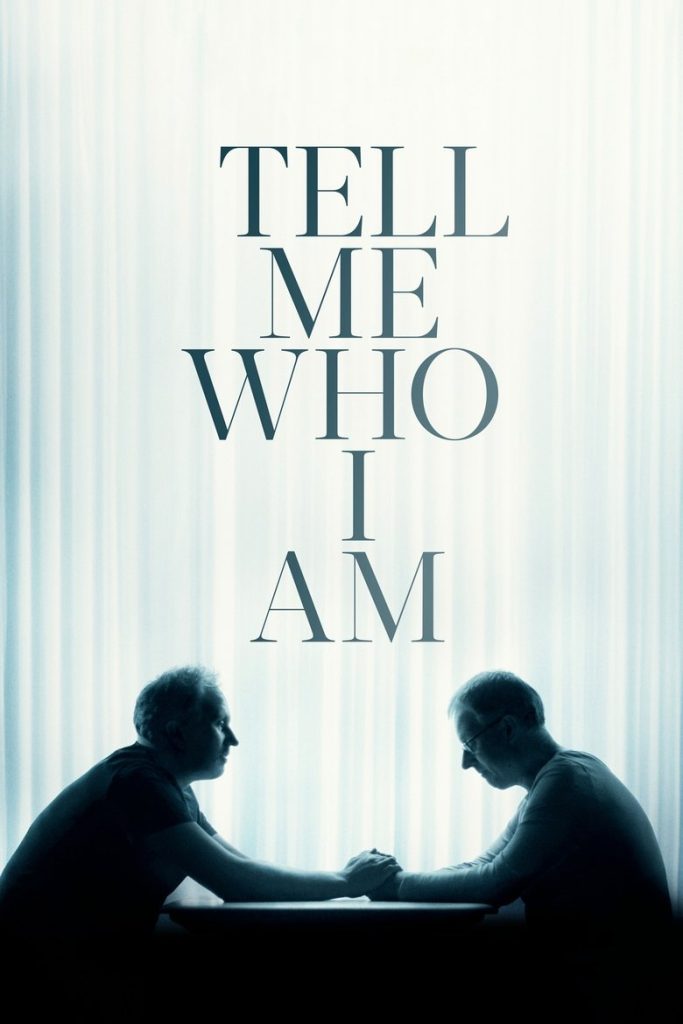
Tell Me Who I Am is a 2019 documentary-drama that explores themes of memory, identity, and family secrets. The film follows twin brothers as one helps the other reconstruct lost memories after a traumatic accident. Through interviews and reenactments, it examines how our past shapes who we are and what happens when those foundations are questioned. The documentary blends personal storytelling with psychological mystery elements.
Parent Guide
Mature documentary exploring memory, trauma, and family secrets through personal storytelling. Contains psychological intensity and discussions of difficult life experiences.
Content breakdown
No physical violence shown, but discussions of traumatic events and psychological distress.
Themes of memory loss, family secrets, and psychological trauma may be disturbing. Reenactments and emotional interviews create tense atmosphere.
Occasional strong language consistent with emotional documentary interviews.
No sexual content or nudity present.
No substance use depicted.
High emotional intensity throughout as brothers confront traumatic memories and family secrets. Themes of loss, confusion, and psychological distress.
Parent tips
This documentary deals with mature themes including memory loss, family trauma, and psychological distress. The TV-MA rating indicates content may be unsuitable for children under 17. Parents should be prepared to discuss how trauma affects memory and family relationships. Consider watching first to gauge emotional intensity for your specific child.
Parent chat guide
Parent follow-up questions
- What do you remember about today?
- How do you know who your family members are?
- What makes you feel safe when you're confused?
- Can you tell me about a happy memory?
- What would you do if you forgot something important?
- How do memories help us understand who we are?
- Why might someone not remember parts of their life?
- How can family members help each other during difficult times?
- What does it mean to have a 'secret' in a family?
- How can we be kind to people who are confused or upset?
- How does trauma affect memory and identity?
- What responsibilities do family members have to each other's wellbeing?
- How can reconstructing memories be both helpful and challenging?
- What ethical questions arise when sharing difficult family history?
- How do documentaries help us understand complex personal stories?
- How does the film explore the reliability of memory and personal narrative?
- What psychological and ethical considerations arise when reconstructing traumatic memories?
- How do family dynamics influence individual identity formation?
- What role does truth play in personal and family healing?
- How does the documentary format affect how we engage with difficult personal stories?
🎭 Story Kernel
At its core, 'Tell Me Who I Am' explores the terrifying fragility of identity when memory is erased. Alex's amnesia after a motorcycle accident leaves him with a blank slate, and his twin brother Marcus becomes the sole architect of his past. The film's true tension isn't in the accident itself, but in Marcus's decision to construct a beautiful, sanitized version of their childhood—erasing their mother's horrific abuse. This creates a profound ethical dilemma: is it more cruel to reveal a traumatic truth or to let someone live a beautiful lie? The documentary becomes a meditation on how our identities are shaped not just by what we remember, but by what others choose to remember for us, and the devastating cost when those narratives collide with reality.
🎬 Visual Aesthetics
The film employs a stark visual dichotomy between present-day interviews and archival/recreated footage. The talking heads are shot in clean, intimate close-ups against neutral backgrounds, emphasizing the rawness of the brothers' emotions. In contrast, the childhood recreations use a hazy, nostalgic filter—soft focus and warm tones that visually represent Marcus's fabricated idyllic memories. As the truth emerges, this aesthetic fractures: the recreations grow darker, more disjointed, with unsettling camera angles that mirror the psychological unraveling. The most powerful visual choice is the side-by-side framing of the twins during interviews, highlighting their identical faces yet profoundly different relationships to their shared past—a physical representation of their divided memories.
🔍 Details & Easter Eggs
💡 Behind the Scenes
The film is based on the 2013 memoir of the same name by Alex and Marcus Lewis. Director Ed Perkins spent years gaining the brothers' trust before filming, conducting extensive interviews separately to capture their individual perspectives before bringing them together. The documentary's most challenging aspect was ethically portraying the abuse without sensationalism—Perkins worked closely with the brothers to determine what could be shown versus what should remain implied. Notably, the real Alex and Marcus served as consultants throughout production, ensuring their story was told with authenticity, particularly in the delicate childhood recreations that had to balance Marcus's false memories with the horrific reality.
Where to watch
Choose region:
- Netflix
- Netflix Standard with Ads
Trailer
Trailer playback is unavailable in your region.