
Temple Grandin (2010)
Story overview
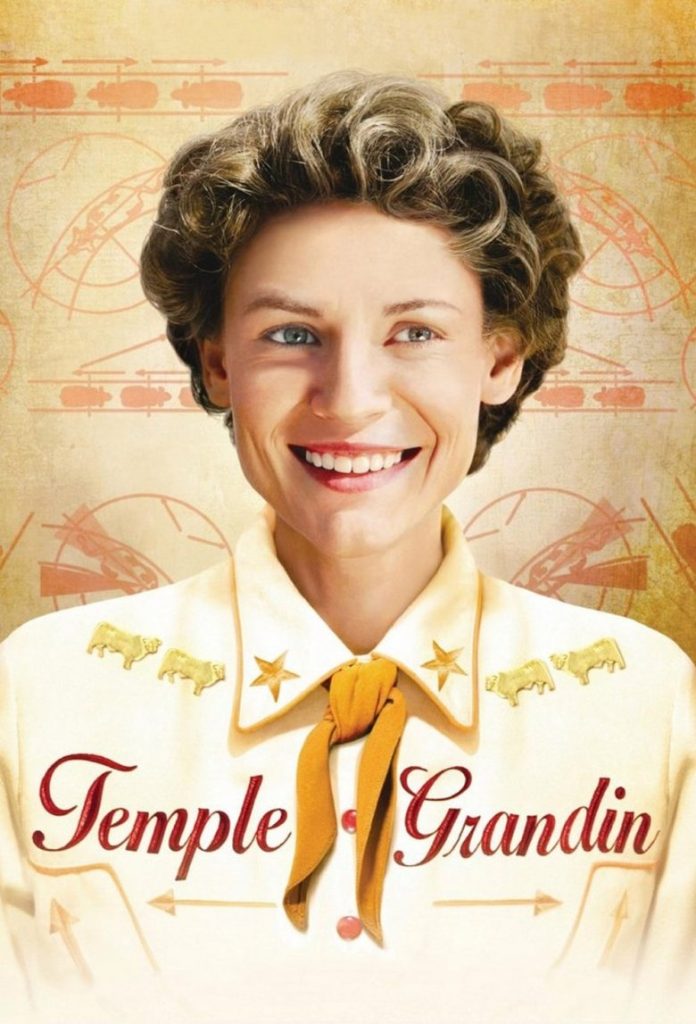
Temple Grandin is a 2010 biographical drama about the life of Temple Grandin, an autistic woman who revolutionized practices for the humane handling of livestock. The film portrays her childhood struggles with sensory sensitivities and social challenges, her supportive education, and her groundbreaking career in animal science. It highlights her unique perspective and determination to overcome obstacles, celebrating neurodiversity and innovation.
Parent Guide
A thoughtful biographical drama suitable for family viewing with guidance for younger children.
Content breakdown
Some tense moments related to Temple's sensory experiences and social challenges, but no physical violence.
Scenes depicting sensory overload and social anxiety might be intense for sensitive viewers.
No concerning language noted.
No sexual content or nudity.
No substance use depicted.
Emotional scenes related to Temple's struggles with autism and her determination to succeed.
Parent tips
This film offers an excellent opportunity to discuss autism, sensory differences, and perseverance with children. Parents should be prepared to explain some scenes depicting Temple's sensory overloads and social difficulties, which might be confusing or intense for younger viewers. The movie's positive message about embracing differences and finding one's strengths makes it valuable for family viewing, especially with school-aged children.
Parent chat guide
Parent follow-up questions
- What did you notice about how Temple saw things differently?
- How did Temple's teachers help her learn?
- What animals did you see in the movie?
- How did Temple use her special way of thinking to solve problems?
- What were some challenges Temple faced at school?
- How did people show kindness to Temple in the story?
- What does the movie teach us about understanding people who think differently?
- How did Temple's sensory experiences affect her daily life?
- What can we learn from Temple's determination to pursue her interests?
- How does the film portray the balance between accommodating differences and challenging individuals to grow?
- What societal attitudes about autism does the movie highlight, both positive and negative?
- How did Temple's innovations change her industry, and what does this suggest about neurodiversity in STEM fields?
🎭 Story Kernel
At its core, 'Temple Grandin' is less about overcoming autism and more about the radical power of a different cognitive architecture. The film explores how Temple's literal, visual thinking—often framed as a limitation—becomes her greatest asset in understanding animal behavior. Her drive isn't about 'fitting in' but about applying her unique perspective to solve concrete problems in a world not built for her. The narrative tension stems from the clash between her internal, systematic logic and the neurotypical world's abstract, social rules. It's a story about finding utility in difference, arguing that innovation often comes from the margins of conventional thought.
🎬 Visual Aesthetics
The film's visual language masterfully externalizes Temple's subjective experience. Director Mick Jackson employs rapid-cut montages of gears, gates, and mechanical diagrams to visualize her associative, pattern-based thinking. The color palette often shifts: warm, saturated tones in scenes of understanding and connection (like with her science teacher), contrasted with cold, harsh fluorescents in overwhelming social or institutional settings. Key sequences, like her first time in the cattle squeeze chute, use tight close-ups and subjective camera angles to immerse us in her sensory reality, making her relief viscerally tangible rather than merely explained.
🔍 Details & Easter Eggs
💡 Behind the Scenes
Claire Danes immersed herself in the role, spending time with the real Temple Grandin and adopting specific physical mannerisms. The production consulted extensively with Grandin, ensuring an authentic portrayal of both her life and sensory experiences. Notably, many of the cattle handling facilities shown were real locations, and the film's accurate depiction of her designs led to increased interest in her humane livestock handling methods from within the agricultural industry itself.
Where to watch
Choose region:
- HBO Max
- HBO Max Amazon Channel
- Amazon Video
- Apple TV
- Google Play Movies
- YouTube
- Fandango At Home
Trailer
Trailer playback is unavailable in your region.