
Texas Storm Squad (2020)
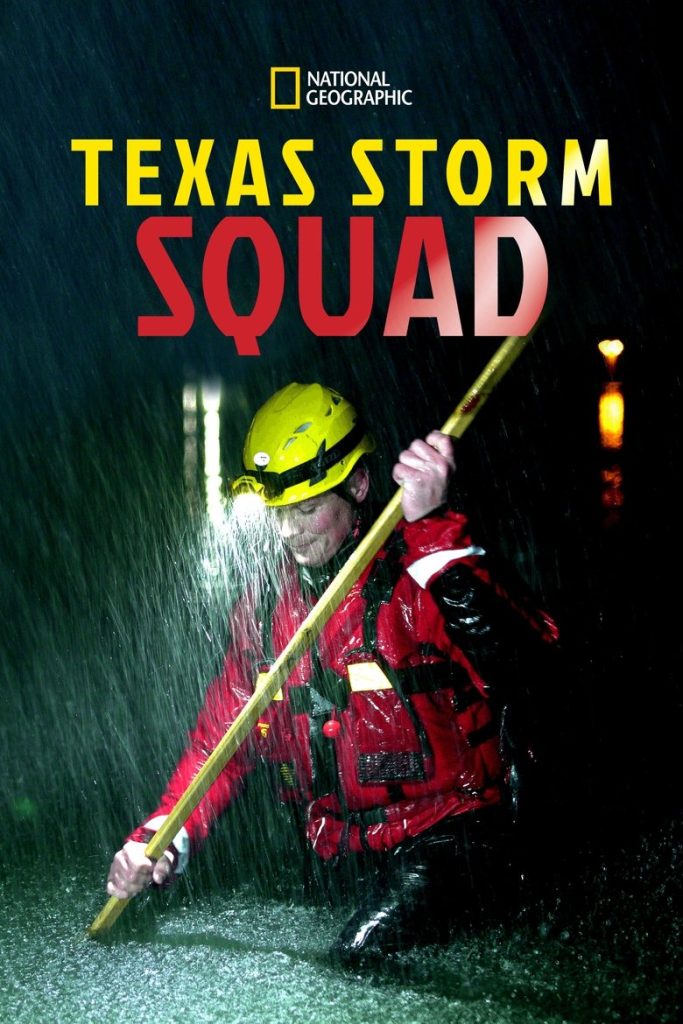
Story overview
This 2020 documentary follows an elite search and rescue team as they respond to Tropical Storm Imelda, one of the wettest tropical cyclones in Texas history. The film captures real-life emergency operations as first responders battle floodwaters and dangerous conditions to rescue trapped residents. Viewers witness the coordination, courage, and challenges faced by rescue professionals during a major natural disaster.
Parent Guide
Educational documentary about real storm rescue operations with moderate intensity due to perilous situations. Best for elementary school children and up with parental guidance for younger viewers.
Content breakdown
Contains real footage of people in peril during flooding, including stranded vehicles, swift water rescues, and emergency evacuations. No graphic violence, but situations are inherently dangerous.
Storm footage with heavy rain, flooding, and emergency situations may be intense for sensitive viewers. Real people in distress during rescues could be disturbing to some children.
No offensive language noted in documentary context. Professional communication between rescue teams.
No sexual content or nudity. Documentary focuses on rescue operations.
No depiction of substance use. Focus is on emergency response.
High-stakes rescue situations create tension. Relief when people are saved balanced with awareness of storm's destruction. Documentary style maintains factual tone rather than dramatic manipulation.
Parent tips
This documentary shows real emergency situations with flooding, stranded vehicles, and rescue operations. While educational about storm response and community resilience, it contains scenes of peril that may be intense for younger viewers. The documentary format means all situations are real, not dramatized. Consider watching together to discuss emergency preparedness and the work of first responders.
Parent chat guide
Parent follow-up questions
- What colors do you see in the storm?
- What sounds does the rain make?
- How do the rescuers help people?
- Why is it dangerous to drive through flood waters?
- What equipment do rescuers use to help people?
- How do storms like this form?
- What makes Tropical Storm Imelda historically significant?
- What challenges do rescuers face during flood operations?
- How do communities prepare for natural disasters?
- What ethical considerations do rescuers face during mass emergencies?
- How does climate change affect storm intensity and frequency?
- What role does media coverage play in disaster response?
🎭 Story Kernel
At its core, 'Texas Storm Squad' is less about battling a hurricane and more about confronting the tempest of human arrogance. The film's true antagonist isn't the weather, but the bureaucratic and corporate hubris that prioritized profit and image over safety protocols. The meteorologists' desperate fight is driven by a need to prove their warnings were valid, transforming from a scientific mission into a personal crusade for vindication. Their internal conflict mirrors the external chaos, asking whether humanity's greatest threat is nature's fury or our own refusal to listen to those who understand it.
🎬 Visual Aesthetics
The film employs a stark, desaturated color palette for the 'real world' scenes, which violently clashes with the hyper-saturated, almost neon blues and greens of the digital storm simulations. This visual dichotomy brilliantly externalizes the disconnect between the sterile boardroom and the raw, living chaos of nature. The camera work is notably shaky and handheld during the squad's field scenes, creating a visceral sense of instability, while switching to cold, static wide shots during corporate meetings to emphasize bureaucratic detachment. The storm itself is rendered not with photorealistic detail, but with an abstract, painterly quality, making it feel more like an elemental force of wrath than a mere weather event.
🔍 Details & Easter Eggs
💡 Behind the Scenes
The film's intense storm chase sequences were shot using a revolutionary 'practical effects first' approach. Instead of relying solely on CGI, the production used massive wind and rain machines on location in rural Texas, with actors performing in the genuine, hazardous conditions. This commitment to realism resulted in several minor injuries but captured authentically raw performances. Lead actor's insistence on performing his own stunts led to a last-minute script change when he was genuinely nearly swept away by a water surge, with the director opting to keep the terrified reaction in the final cut.
Where to watch
Choose region:
- Disney Plus