
The Accidental Twins (2024)
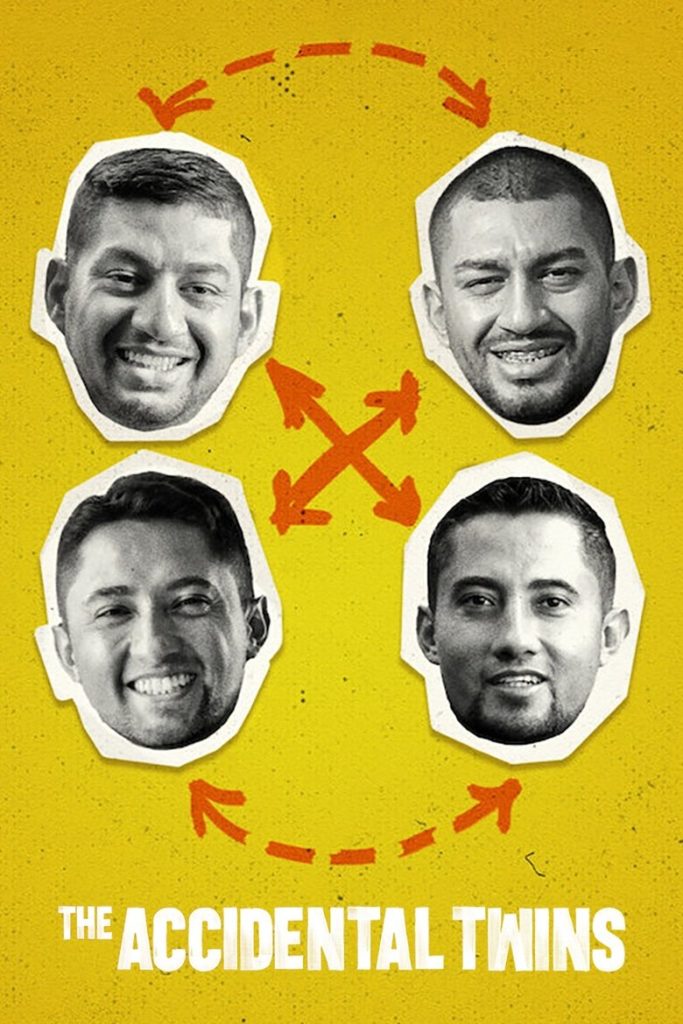
Story overview
This 2024 Colombian documentary follows two sets of identical twins who were accidentally switched at birth. Through personal interviews and archival footage, the film explores their emotional journeys as they discover their true biological families, navigate complex identity questions, and build relationships with their newly found siblings. The documentary presents a thoughtful examination of nature versus nurture, family bonds, and personal identity without sensationalism.
Parent Guide
A thoughtful documentary about identity and family that handles emotional topics with sensitivity. Appropriate for mature children who can understand complex family situations.
Content breakdown
No violence, action sequences, or physical peril. The documentary consists of interviews, family footage, and narration.
Some children might find the concept of being separated from biological parents emotionally unsettling. The documentary discusses feelings of confusion, loss, and identity crisis, but presents these topics thoughtfully without graphic or disturbing imagery.
No offensive language. The documentary features interviews in Spanish with English subtitles, all using respectful, documentary-style language.
No sexual content or nudity. The documentary focuses on family relationships and personal identity.
No depiction of alcohol, drugs, or tobacco use.
The documentary explores deep emotional themes including family separation, identity confusion, and the complex process of building new family relationships. Several scenes show emotional interviews where participants discuss their feelings openly. The overall tone is thoughtful rather than intensely dramatic.
Parent tips
This documentary deals with mature themes of identity, family separation, and emotional discovery in a respectful, non-sensational manner. While appropriate for older children, younger viewers might find the concept of being separated from biological parents confusing or upsetting. The film presents real people discussing emotional topics, which could lead to questions about adoption, family structures, and personal identity. Consider watching together to discuss these themes as they arise.
Parent chat guide
Parent follow-up questions
- Did you see any children in the movie?
- What colors did you see in the movie?
- Was anyone happy or sad in the movie?
- How would you feel if you met someone who looked just like you?
- What makes someone part of your family?
- Why do you think the twins wanted to meet their biological families?
- How do you think discovering they were switched at birth affected the twins' sense of identity?
- What challenges might the twins face in getting to know their biological families?
- How does this documentary show that families can be complicated but still loving?
- How does this documentary explore the nature versus nurture debate?
- What ethical questions does the hospital's mistake raise about medical responsibility?
- How do the twins navigate their dual identities and what does this say about the complexity of human identity?
🎭 Story Kernel
The documentary explores the profound nature versus nurture debate through the lens of a real-life tragedy in Colombia. By following two sets of identical twins swapped at birth, the film transcends a simple human-interest story to examine how socioeconomic status and geography shape identity. It delves into the existential crisis of discovering that one's lifelong companion is a stranger biologically, while a total stranger shares your DNA. The narrative focuses on the Castro and Velasco families, highlighting the stark contrast between the rural upbringing of one pair and the urban, middle-class life of the other. It ultimately questions whether our essence is forged in the womb or by the hands that raise us, providing a heartbreaking yet fascinating study of human resilience and the complex bonds of brotherhood.
🎬 Visual Aesthetics
Alessandro Angulo employs a grounded, observational aesthetic that mirrors the raw emotional weight of the subject matter. The cinematography effectively utilizes the contrast between the bustling, concrete landscape of Bogotá and the lush, isolated rural regions of Santander to visually represent the divergent paths the men were forced to take. Through a blend of intimate talking-head interviews and evocative B-roll of the men interacting, the film captures the uncanny physical similarities alongside their distinct behavioral differences. The use of archival family photos and videos serves as a haunting reminder of the years lost to a mistake. The visual pacing is deliberate, allowing the audience to sit with the discomfort and wonder of the twins' first meeting, emphasizing the surreal nature of their shared reality.
🔍 Details & Easter Eggs
💡 Behind the Scenes
The story gained international prominence before the documentary through a detailed 2015 New York Times Magazine article by Susan Dominus titled 'The Mixed-Up Brothers of Bogotá.' Director Alessandro Angulo, known for his work in Colombian cinema and documentaries, focused on maintaining a sensitive approach to the men's ongoing relationship. The production had to navigate the complex emotional landscape of four men who, despite the trauma, have attempted to form a unique 'super-family' of four brothers, a process that continues to evolve long after the cameras stopped rolling and the credits finished.
Where to watch
Choose region:
- Netflix
- Netflix Standard with Ads
Trailer
Trailer playback is unavailable in your region.