
The Angel (2018)
Story overview
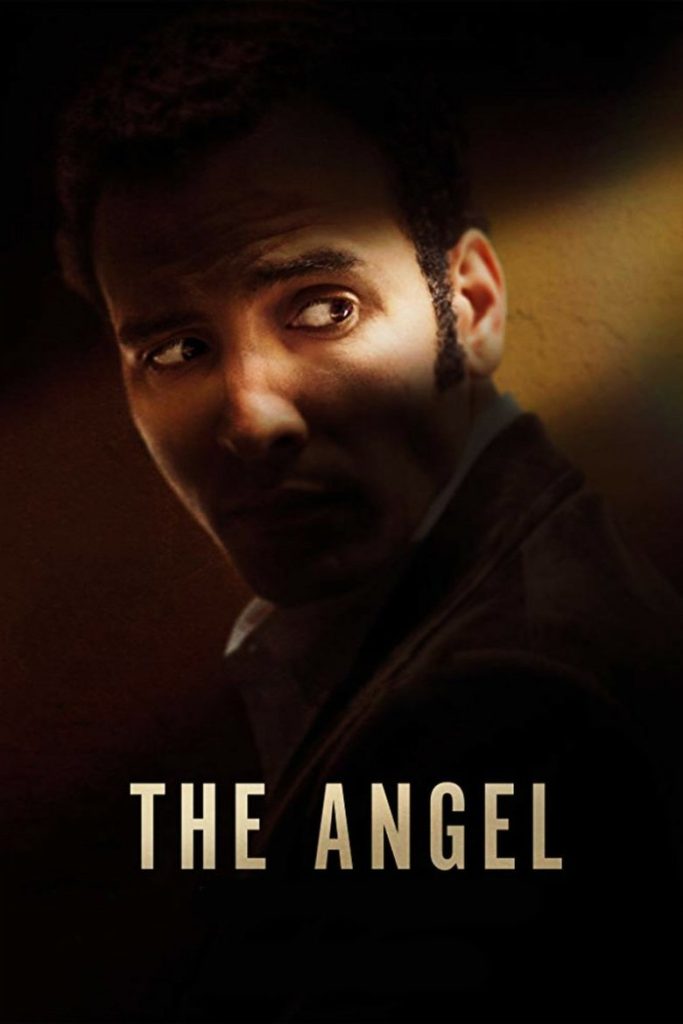
The Angel is a 2018 historical thriller based on the true story of Ashraf Marwan, an Egyptian official who served as a high-level advisor to Presidents Nasser and Sadat while secretly working as a spy for Israeli intelligence. The film explores themes of espionage, political intrigue, loyalty, and moral ambiguity during a tense period in Middle Eastern history, culminating in events leading up to the Yom Kippur War.
Parent Guide
A tense historical thriller based on true espionage events with mature themes and some violent content. Best for mature teens 16+ who can handle complex political narratives and wartime tension.
Content breakdown
Scenes of political violence including bombings, shootings, and wartime combat. Tense interrogation scenes. Depictions of military operations and espionage-related violence. Some blood shown but not excessively graphic.
High tension throughout due to espionage themes and constant threat of discovery. Scenes of political intrigue and betrayal. Historical wartime events that may be disturbing to sensitive viewers. Psychological tension from the double agent's precarious position.
Occasional mild profanity. Some political and military dialogue with strong language in tense situations.
Brief romantic scenes and implications of relationships. No explicit nudity or sexual content shown.
Social drinking in political and diplomatic settings. Some smoking shown in period-appropriate contexts.
High emotional tension from constant danger of exposure as a spy. Themes of betrayal, loyalty, and moral ambiguity. Stressful situations involving life-and-death decisions. Historical weight of real events portrayed.
Parent tips
This TV-MA rated film contains mature themes including espionage, political violence, and wartime tension. It's best suited for older teens and adults due to its complex historical context and intense scenes. Parents should be prepared to discuss the real-world historical events, ethical dilemmas of espionage, and Middle Eastern politics portrayed in the film.
Parent chat guide
Parent follow-up questions
—
—
—
- What did you find most surprising about this true story?
- How did the film make you feel about the concept of loyalty?
- What historical events mentioned in the film would you like to learn more about?
- Do you think Ashraf Marwan was a hero, a traitor, or something more complex?
- How does the film show the personal costs of political decisions?
🎭 Story Kernel
The Angel isn't really about espionage—it's about identity fragmentation under extreme pressure. Ashraf Marwan isn't torn between Egypt and Israel; he's torn between versions of himself. The film explores how compartmentalization becomes a survival mechanism that ultimately consumes the soul. His motivations shift from ideological conviction to personal preservation to something resembling addiction to the double life itself. The real tension isn't whether he'll be caught, but whether any authentic self remains beneath the layers of deception. The ending suggests the ultimate casualty wasn't his life, but his ability to remember who he was before the games began.
🎬 Visual Aesthetics
The cinematography masterfully uses reflective surfaces—windows, mirrors, polished tables—to visually represent Marwan's fractured identity. Scenes often frame characters through barriers, emphasizing the constant surveillance and separation. The color palette shifts subtly: warmer tones in Egypt (though still muted), cooler blues in Israel, creating subconscious geographical coding. Action sequences are notably restrained—tense conversations carry more weight than chases. The camera lingers on close-ups during key moments, forcing us to read micro-expressions that betray more than dialogue ever could. The visual language suggests that in this world, stillness is more dangerous than motion.
🔍 Details & Easter Eggs
💡 Behind the Scenes
The film is based on the real Ashraf Marwan, son-in-law of Egyptian President Nasser, whose espionage activities remain debated by historians. Lead actor Marwan Kenzari studied declassified Mossad interrogation techniques to understand the psychological pressure. Several scenes were shot in actual locations used by intelligence agencies during the period. The production consulted with former intelligence officers from both sides, though some details remain classified—the filmmakers had to creatively imply certain operations rather than depict them directly.
Where to watch
Choose region:
- Netflix
- Netflix Standard with Ads
Trailer
Trailer playback is unavailable in your region.