
The Apartment (1960)
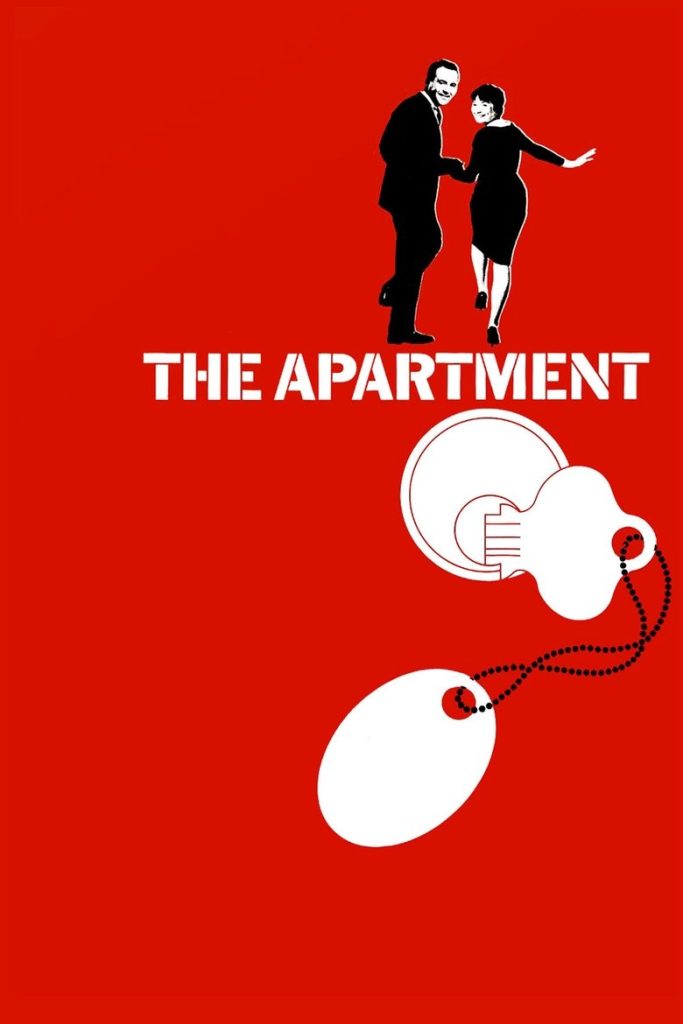
Story overview
The Apartment is a classic 1960 comedy-drama about a low-level office worker who lends his apartment to company executives for their secret meetings. As he tries to advance his career through this arrangement, he becomes entangled in complicated personal situations. The film explores themes of ambition, loneliness, and moral compromise in a corporate setting, while maintaining a lighthearted tone through its comedic elements.
Parent Guide
A sophisticated comedy-drama with mature themes about workplace ethics and relationships, best suited for older children who can understand nuanced social situations.
Content breakdown
No physical violence, but there are tense emotional situations and one scene where a character is in mild physical distress.
Some emotional intensity and morally ambiguous situations that might be confusing or unsettling for younger viewers.
Period-appropriate mild language and suggestive dialogue, nothing explicit or modern profanity.
Implied sexual relationships and suggestive situations, but no explicit content or nudity. The premise involves characters using an apartment for secret meetings.
Frequent social drinking in office and party settings, with some scenes showing characters becoming intoxicated.
Characters experience loneliness, moral conflict, and romantic complications that create emotional depth throughout the story.
Parent tips
This film deals with mature themes including workplace ethics, romantic relationships outside marriage, and personal integrity. While there's no explicit content, the premise involves characters using an apartment for secret rendezvous, which may require explanation for younger viewers. The emotional situations and moral dilemmas presented are more suitable for older children who can understand nuanced social situations.
The film's humor is sophisticated and character-driven rather than slapstick, which might not engage younger audiences. Parents should be prepared to discuss workplace dynamics, personal boundaries, and how characters make choices that affect others. The resolution offers positive messages about personal growth and doing what's right.
Parent chat guide
For older children, you could discuss how the film balances comedy with serious themes, and what it says about loneliness in big cities. Encourage them to think about how they would handle similar ethical dilemmas in their own lives, and what constitutes healthy relationships versus manipulative ones.
Parent follow-up questions
- What was your favorite part of the movie?
- How did the characters help each other?
- What makes a good friend?
- What jobs did you see people doing in the movie?
- How did the music make you feel?
- Why do you think the main character let others use his apartment?
- How did the characters' feelings change during the story?
- What does it mean to be honest with friends?
- Have you ever had to make a difficult choice like the characters did?
- What did you learn about how offices worked in the past?
- What ethical dilemmas did the main character face?
- How did the film show the difference between right and wrong?
- What pressures do people face at work or school to fit in?
- How did the characters grow or change by the end?
- What messages about relationships did the movie convey?
- How does the film critique corporate culture and ambition?
- What does the movie say about loneliness and connection in modern life?
- How are gender roles portrayed compared to today's standards?
- What moral compromises do characters make, and are they justified?
- How does the film balance comedy with serious social commentary?
🎭 Story Kernel
The film's core theme is the commodification of human dignity within corporate capitalism. C.C. Baxter's ascent isn't driven by ambition but by the erosion of his moral boundaries—he trades access to his apartment for promotions, literally renting out his private life. What appears as a romantic comedy reveals itself as a study of systemic exploitation: the executives use Baxter's home as they use people, while Fran Kubelik becomes collateral damage in this transactional world. The movie asks whether personal integrity can survive in an environment where everything, including affection, has become negotiable.
🎬 Visual Aesthetics
Billy Wilder and cinematographer Joseph LaShelle use the apartment's claustrophobic spaces as a visual prison. The camera often traps Baxter in doorways or behind furniture, mirroring his entrapment in corporate politics. The Christmas party sequence employs chaotic, swirling shots that contrast sharply with the sterile office scenes, highlighting the moral decay beneath corporate order. Notice how the muted color palette (predominantly grays and browns) gradually warms as Baxter reclaims his humanity—the final scene's simple card game is bathed in softer light, visually completing his liberation.
🔍 Details & Easter Eggs
💡 Behind the Scenes
Jack Lemmon based Baxter's frantic spaghetti-straining technique on his own kitchen mishaps. The iconic office set was so meticulously detailed that some visitors mistook it for a real insurance company. Shirley MacLaine's heartbreaking 'I love you' to Sheldrake was filmed in one take after she reportedly stayed up all night to achieve the perfect exhausted delivery. The film's original ending was darker, with Baxter remaining alone, but test audiences demanded the now-famous hopeful conclusion.
Where to watch
Choose region:
- fuboTV
- MGM+ Amazon Channel
- MGM Plus Roku Premium Channel
- Philo
- TCM
- Amazon Video
- Apple TV
- Google Play Movies
- YouTube
- Fandango At Home
- Spectrum On Demand
- Plex
- Tubi TV
- Kanopy
- Fawesome
Trailer
Trailer playback is unavailable in your region.