The Apocalypse of St John (2024)
Story overview
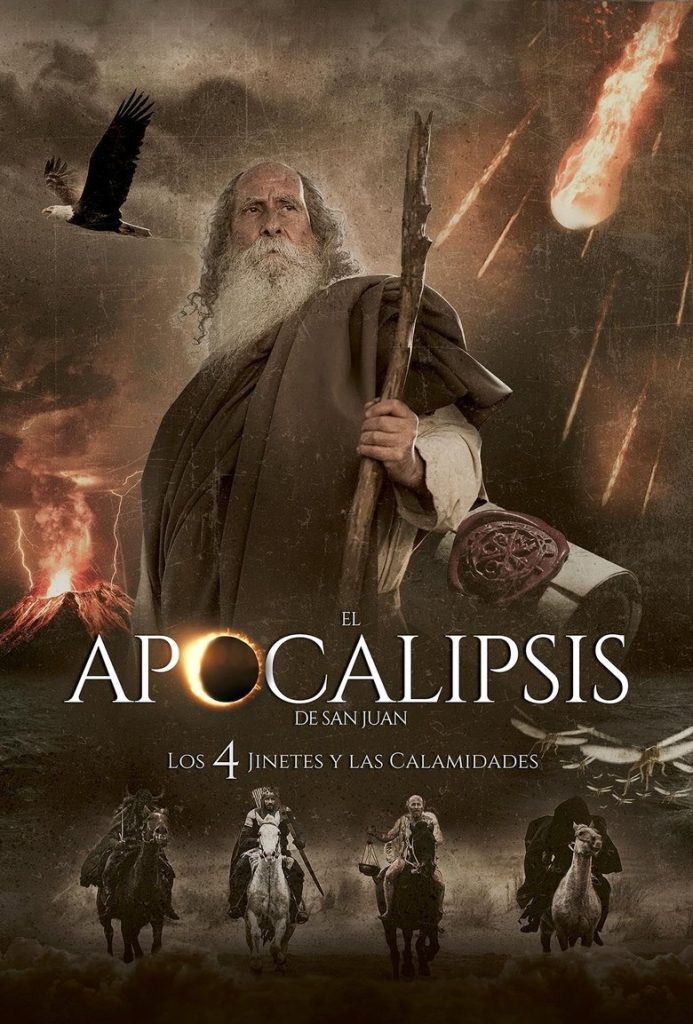
This 2024 Argentine documentary explores the apocalyptic visions described in the Book of Revelation through the perspective of Apostle John. Using visual effects and epic scenes, it presents a historical and faith-based interpretation of End Times prophecies in a cinematic format.
Parent Guide
A documentary presenting dramatic visual interpretations of biblical apocalyptic visions. While not containing explicit content, the intense subject matter and vivid depictions of destruction and divine judgment require parental guidance for younger viewers.
Content breakdown
Contains dramatic depictions of apocalyptic events including symbolic battles, plagues, and destruction as described in biblical prophecy. Presented through visual effects rather than realistic violence, but includes intense scenes of cosmic upheaval and divine judgment.
Features intense apocalyptic imagery including beasts, dragons, plagues, and scenes of destruction. The overall tone is dramatic and potentially frightening for sensitive viewers, particularly younger children unfamiliar with biblical symbolism.
No offensive language. Dialogue consists of narration and scriptural quotations presented in Spanish with subtitles.
No sexual content or nudity.
No depiction of substance use.
Creates an intense atmosphere through dramatic visual storytelling about apocalyptic themes. The subject matter deals with cosmic destruction and divine judgment, which may provoke anxiety or strong emotional responses in sensitive viewers.
Parent tips
This documentary presents religious apocalyptic themes through dramatic visual storytelling. While not graphic, the subject matter involves intense visions of destruction and divine judgment that may be frightening or confusing for younger children. Best suited for families with pre-existing religious education who can discuss the symbolic nature of biblical prophecy.
Parent chat guide
Parent follow-up questions
- What did you see in the movie?
- Were there any pictures that made you feel happy or scared?
- What do you think the movie was about?
- What parts of the movie were most interesting to you?
- How did the movie make you feel about the stories?
- What questions do you have about what you saw?
- What did you learn about the Book of Revelation from this film?
- How do you think the filmmakers used special effects to tell the story?
- Why do you think people have different interpretations of these biblical visions?
- How does this documentary's interpretation compare to other interpretations you've encountered?
- What historical context might help understand why the Book of Revelation was written?
- How do filmmakers balance artistic interpretation with religious accuracy in documentaries like this?
🎭 Story Kernel
The film serves as a meticulous visual translation of the final book of the New Testament, eschewing modern metaphorical reinterpretations in favor of a traditional Catholic eschatological perspective. It explores the cosmic battle between good and evil, the purification of the world, and the ultimate triumph of the Lamb. Rather than a character-driven narrative, the movie functions as a meditative experience on divine justice and mercy. It seeks to express the terrifying majesty of the divine plan, emphasizing the necessity of spiritual vigilance. By adhering strictly to the text of St. John, the film avoids the 'action-movie' tropes of secular apocalypse films, focusing instead on the liturgical and prophetic weight of the visions, positioning the end of the world not as a tragedy, but as a definitive resolution of human history.
🎬 Visual Aesthetics
The aesthetic is dominated by a blend of classical religious iconography and modern digital effects, creating a style that feels like a moving Baroque painting. The cinematography utilizes high-contrast lighting to distinguish between the celestial and the infernal, with a heavy reliance on symbolic colors—gold for the divine, deep reds and blacks for the demonic. The scale is intentionally overwhelming, using wide shots to capture the vastness of the heavenly court and the desolation of the earthly plagues. Symbolism is literal: the Lamb with seven horns and seven eyes is rendered with a commitment to the text that challenges modern visual sensibilities. The use of CGI is not for realism in the traditional sense, but to manifest the 'unrepresentable' visions of the prophet, resulting in a surreal, dream-like atmosphere.
🔍 Details & Easter Eggs
💡 Behind the Scenes
Directed by Simón Delacre and produced by Caravel Films, this project is a rare example of high-concept independent religious cinema from Argentina. Delacre, who has a background in Catholic media, spent years developing the visual effects to ensure they remained faithful to the biblical descriptions rather than Hollywood trends. The film was primarily marketed through Catholic networks and independent distributors, gaining traction in Latin America and Spain before reaching wider international audiences. It stands out for its refusal to modernize the setting, maintaining a timeless, prophetic atmosphere throughout its production.
Where to watch
Streaming availability has not been announced yet.