
The Avengers (2012)
Story overview
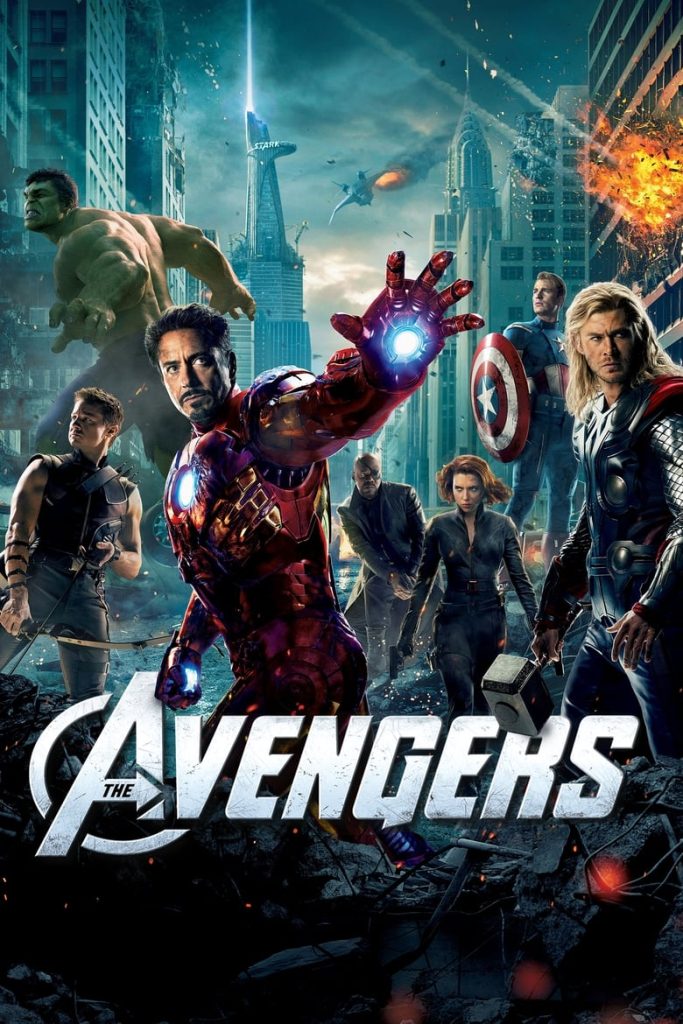
The Avengers is a 2012 superhero film where iconic Marvel characters team up to face a global threat. Earth's mightiest heroes must overcome their differences to stop an alien invasion led by a powerful villain. The movie combines high-stakes action with character-driven moments as the team learns to work together.
Parent Guide
A superhero team-up film with intense action sequences and positive themes about teamwork, suitable for older children and teens with guidance.
Content breakdown
Frequent sci-fi action violence including explosions, energy weapons, hand-to-hand combat, and city destruction. No graphic gore, but intense peril throughout.
Alien invasion scenario and intense battles may be frightening to sensitive viewers, but no horror elements or graphic imagery.
Occasional mild language typical of PG-13 action films.
No sexual content or nudity.
No substance use depicted.
High-stakes scenarios with character conflicts and heroic sacrifices create emotional engagement.
Parent tips
This PG-13 rated film features intense action sequences with sci-fi violence, destruction, and peril. While there's no graphic gore, the combat scenes involve weapons, explosions, and hand-to-hand fighting that may be too intense for younger viewers. The movie's themes of teamwork and sacrifice provide positive messages, but the constant action and loud effects could overwhelm sensitive children.
Consider your child's comfort with fast-paced superhero battles and city-wide destruction scenes. The film has a runtime over two hours, which may test younger attention spans. Previewing or watching together allows you to discuss the heroic themes while monitoring reactions to intense moments.
Parent chat guide
For younger viewers, you might discuss how even superheroes need help sometimes and what it means to be a hero beyond fighting. With teens, conversations could explore leadership dynamics, ethical dilemmas in superhero stories, or how the film balances individual strengths with collective goals. Avoid dwelling on violent specifics while acknowledging the fantasy nature of the conflicts.
Parent follow-up questions
- Which hero did you like most and why?
- How did the heroes help each other?
- What makes someone a good friend like the Avengers?
- What was your favorite color or costume in the movie?
- How did the heroes work as a team?
- What special abilities did each hero bring to the team?
- Why was it hard for the heroes to work together at first?
- What does it mean to be a hero in this story?
- How did the characters show bravery in different ways?
- What would you do if you had to work with someone very different from you?
- What leadership qualities did different characters display?
- How did the movie balance action with character development?
- What sacrifices did characters make for the greater good?
- How does this team compare to other groups working together?
- What messages about responsibility come through in the story?
- How does the film explore themes of unity versus individual glory?
- What ethical considerations arise when heroes use force?
- How does the movie handle conflict resolution among strong personalities?
- What commentary might the film offer about collective defense?
- How do the characters' backgrounds influence their approaches to teamwork?
🎭 Story Kernel
At its core, 'The Avengers' explores the tension between individual exceptionalism and collective responsibility. Each hero arrives as a solo act—Tony Stark's technological arrogance, Steve Rogers' moral absolutism, Thor's divine entitlement, Bruce Banner's self-loathing isolation. Loki's invasion merely provides the catalyst; the real conflict is these monumental personalities clashing over methodology and ego. The film argues that true heroism isn't about being the strongest individual but about becoming something greater through collaboration. The turning point comes not when they fight aliens, but when they stop fighting each other and form the iconic circular shot—a visual representation of unity replacing hierarchy.
🎬 Visual Aesthetics
Whedon employs a remarkably balanced visual language that gives each hero distinct cinematic space while building toward unity. Notice how each character gets signature camera movements: Stark's swooping, fluid tracking shots mirror his technological grace; Captain America gets stable, heroic low angles; Hulk smashes through chaotic handheld chaos. The color palette shifts from cold blues and metallic grays during conflict to warmer tones as unity emerges. Most brilliant is the 360-degree 'hero shot'—not just fan service but a visual thesis statement about circular equality replacing linear hierarchy. Even the destruction has choreography, with alien designs creating readable action geography amid chaos.
🔍 Details & Easter Eggs
💡 Behind the Scenes
The now-iconic circular hero shot was almost impossible to film—each actor had conflicting schedules, requiring elaborate green-screen compositing. Robert Downey Jr. improvised most of Stark's dialogue, including 'Shakespeare in the Park' and many science quips. Tom Hiddleston auditioned for Thor but was cast as Loki after his test footage showed captivating vulnerability beneath the villainy. The Shawarma scene was shot after the Hollywood premiere when Downey suggested it, with actors returning in costume to a real restaurant at 4 AM. Mark Ruffalo was the third Banner in three films, bringing a weary physicality informed by his background in experimental theater.
Where to watch
Choose region:
- Disney Plus
- Amazon Video
- Apple TV
- Google Play Movies
- YouTube
- Fandango At Home
Trailer
Trailer playback is unavailable in your region.