
The Beales of Grey Gardens (2006)
Story overview
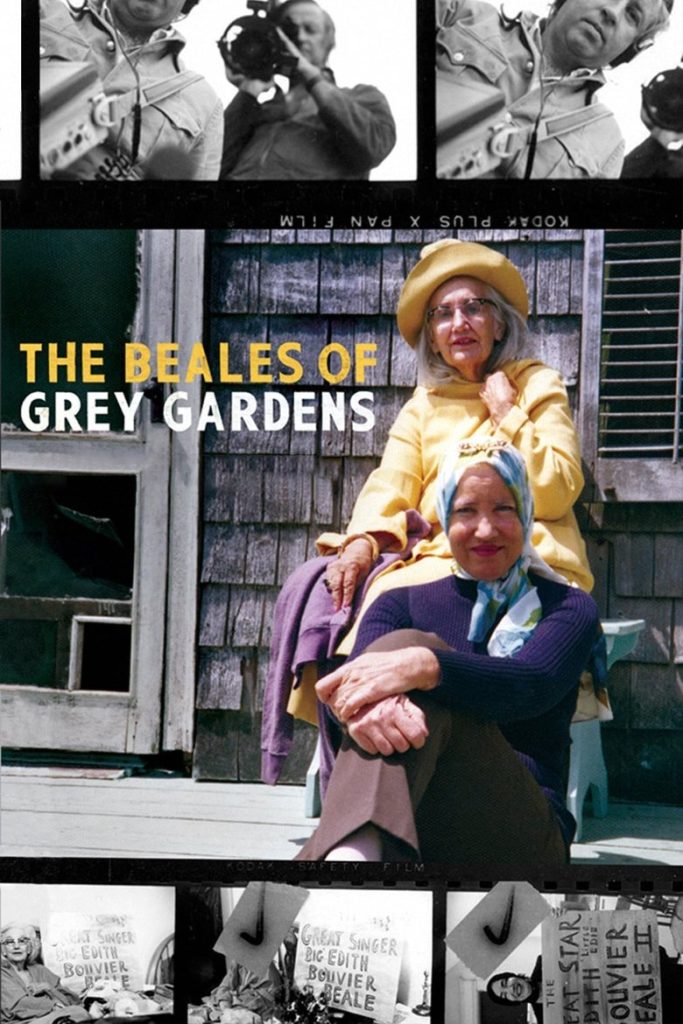
The Beales of Grey Gardens is a 2006 documentary that revisits the eccentric lives of Edith 'Little Edie' Beale and her mother Edith Bouvier Beale, relatives of Jacqueline Kennedy Onassis. Through archival footage and new interviews, it explores their unconventional lifestyle in their decaying mansion, Grey Gardens, capturing their unique personalities and relationship. The film offers an intimate portrait of these two women who became cultural icons due to their isolation and distinctive worldview.
Parent Guide
A documentary exploring unconventional lifestyles and family dynamics through intimate portraits of two eccentric women.
Content breakdown
No violence or perilous situations depicted.
Some viewers might find the decaying living conditions or unconventional behavior mildly unsettling.
No offensive language noted.
No sexual content or nudity.
No substance use depicted.
Mild emotional content related to family relationships and unconventional lifestyles.
Parent tips
This documentary focuses on character study rather than plot, which may require patience from younger viewers. The film portrays unconventional living conditions and explores themes of family dynamics, aging, and non-traditional lifestyles that could prompt discussions about acceptance and individuality. Parents should be prepared to explain the historical context and the women's unique circumstances to help children understand the documentary's perspective.
Parent chat guide
Parent follow-up questions
- What did you notice about the house in the movie?
- How did the two ladies talk to each other?
- What colors or sounds did you remember from the film?
- What was your favorite part to watch?
- How did the movie make you feel?
- What made the two women in the film special or different?
- How do you think they felt living in their house?
- What do you think a documentary is trying to show us?
- What did you learn about how families can be different?
- How do you think the camera helped tell their story?
- What does this documentary reveal about unconventional lifestyles?
- How does the film show the relationship between mother and daughter?
- What historical context might be important to understand their story?
- How do documentaries differ from fictional movies in telling stories?
- What choices did the filmmakers make in presenting these women's lives?
- How does the film explore themes of isolation and non-conformity?
- What commentary might the documentary be making about societal norms and family expectations?
- How does the use of archival footage contribute to the storytelling?
- What ethical considerations arise when documenting real people's lives?
- How does this film connect to broader cultural fascination with eccentric figures?
🎭 Story Kernel
The film explores the profound human need for narrative control in the face of societal abandonment. Edith Bouvier Beale and her daughter Edie aren't just eccentric recluses; they're co-authors of a self-created mythology, using their decaying mansion as both sanctuary and stage. Their endless reminiscing about glamorous pasts isn't mere nostalgia—it's an active refusal to accept the present reality that has rejected them. The driving force isn't ambition or survival, but the preservation of a shared fantasy where they remain relevant aristocrats rather than societal cast-offs. Their symbiotic relationship becomes a closed ecosystem of mutual validation, where every interaction reinforces their chosen narrative against the outside world's judgment.
🎬 Visual Aesthetics
The vérité cinematography creates an intimate, almost invasive intimacy, with handheld cameras navigating Grey Gardens' cluttered rooms as if discovering archaeological layers. Natural light filters through grimy windows, casting theatrical shadows that transform decay into dramatic staging. The color palette—faded yellows, peeling blues, and the perpetual brown of neglect—becomes a character itself, visually representing their arrested development. Close-ups on the women's expressive faces during their performances contrast with wide shots emphasizing their isolation within the mansion's vast decay. The camera never judges, but observes their carefully curated chaos with anthropological curiosity, making viewers complicit in their private world.
🔍 Details & Easter Eggs
💡 Behind the Scenes
The Maysles brothers originally intended to document Jacqueline Kennedy Onassis's childhood home but became fascinated by her eccentric relatives living there. Much footage was shot in 1972-73 for the original 'Grey Gardens' documentary, with additional material captured in 1975-76 specifically for this film. The Beales were initially hesitant but grew to enjoy the attention, with Edie sometimes directing the crew. The mansion's actual condition was so severe that health authorities had condemned it prior to filming, adding genuine urgency to their performances for the camera.
Where to watch
Choose region:
- HBO Max
- HBO Max Amazon Channel
- Criterion Channel
- Fandango At Home