
The Bee Gees: How Can You Mend a Broken Heart (2020)
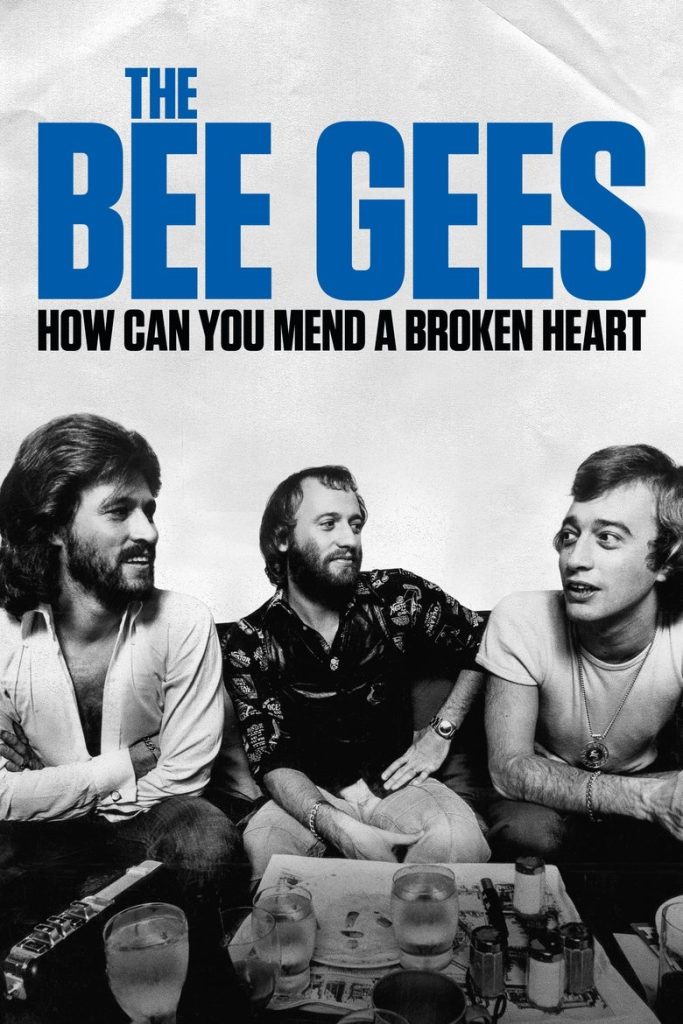
Story overview
This documentary chronicles the remarkable career of the Bee Gees, the legendary music trio consisting of brothers Barry, Maurice, and Robin Gibb. It explores their rise to fame in the 1960s, their massive success in the disco era with hits like 'Stayin' Alive,' and their enduring influence across decades. The film delves into their creative process, family dynamics, personal struggles, and the tragic losses they faced, including the deaths of their younger brother Andy and later Maurice and Robin. Through archival footage, interviews, and their iconic music, it paints a comprehensive portrait of one of pop music's most successful groups.
Parent Guide
A thoughtful documentary about music legends that's generally family-friendly but deals with mature themes appropriate for older children and teens.
Content breakdown
No violence depicted. The documentary discusses personal struggles but shows no physical harm or dangerous situations.
Some potentially disturbing content includes discussions of death (multiple family members), grief, and funeral footage. Archival footage shows the brothers aging and dealing with health issues. These moments are handled respectfully but may be emotionally affecting for sensitive viewers.
Occasional mild language (like 'hell' or 'damn') in interview segments. No strong profanity.
No sexual content or nudity. The documentary focuses on the musicians' professional lives and family relationships.
Discussions of cocaine use in the music industry context, with mentions of the Gibbs brothers' experiences. Some social drinking shown in archival footage. These references are not glorified and are presented as part of the era's music scene challenges.
Emotionally intense when covering family conflicts, career setbacks, and deaths of family members (including Andy, Maurice, and Robin Gibb). The documentary explores themes of grief, addiction, and brotherly rivalry that may resonate deeply with viewers.
Parent tips
This documentary is suitable for most families with children ages 8 and up who have an interest in music history. The TV-MA rating primarily reflects mature themes rather than explicit content. Parents should be prepared to discuss topics like family conflict, addiction, and death. The film includes brief discussions of drug use (cocaine) and alcohol consumption in the context of the music industry. Some emotional moments involve grief over lost family members. There's no violence, strong language, or sexual content. Consider watching together with tweens and teens to discuss the documentary's themes about fame, family, and resilience.
Parent chat guide
Parent follow-up questions
- What instruments did you see?
- Did you like the brothers' singing?
- What was your favorite song?
- How do you think it felt to be famous as a teenager?
- Why do you think the brothers sometimes argued?
- What made the Bee Gees' music special?
- How did the brothers support each other through difficult times?
- What challenges did they face as their music style changed?
- Why do you think their story is still important today?
- How did fame affect the Gibbs brothers' relationships with each other?
- What does the documentary suggest about the connection between creativity and personal struggle?
- How did the music industry of the 1970s compare to today's?
🎭 Story Kernel
At its core, 'How Can You Mend a Broken Heart' explores the fragile alchemy of brotherhood and artistic identity. The film isn't just a rise-and-fall music documentary; it's a study of how the Bee Gees' harmonious vocals masked profound internal fractures—professional jealousy, shifting roles within the trio, and the psychological toll of becoming symbols of an era they eventually outlived. The driving force is their relentless need to prove themselves, first as child performers, then as pop chameleons, and finally as survivors of cultural backlash. The real plot is the mending—or the acceptance of what remains unmendable—between Barry, Robin, and Maurice.
🎬 Visual Aesthetics
The film employs a rich, textured visual language that mirrors the Bee Gees' journey. Archival footage is treated with a warm, slightly faded palette for their early years, shifting to the saturated, glittering neon of the 'Saturday Night Fever' era. Clever split-screens visually represent the brothers' simultaneous yet separate career paths during their 1970s breakup. Most striking are the intimate, closely framed modern interviews, where the camera lingers on Barry Gibb's face as he listens to old tracks—his expressions becoming a silent narrative of regret, pride, and unresolved grief, especially when discussing his late brothers.
🔍 Details & Easter Eggs
💡 Behind the Scenes
Director Frank Marshall, known for producing blockbuster adventures, brings a narrative-driven approach to the documentary. A key production challenge was securing rights to the massive catalog of iconic music and footage, requiring negotiations with multiple estates and labels. The film's poignant ending, featuring Barry Gibb alone in the studio, was unplanned and emerged from capturing a raw, spontaneous moment during filming, making it one of the documentary's most emotionally authentic scenes.
Where to watch
Choose region:
- HBO Max
- HBO Max Amazon Channel
Trailer
Trailer playback is unavailable in your region.