
The Bleeding Edge (2018)
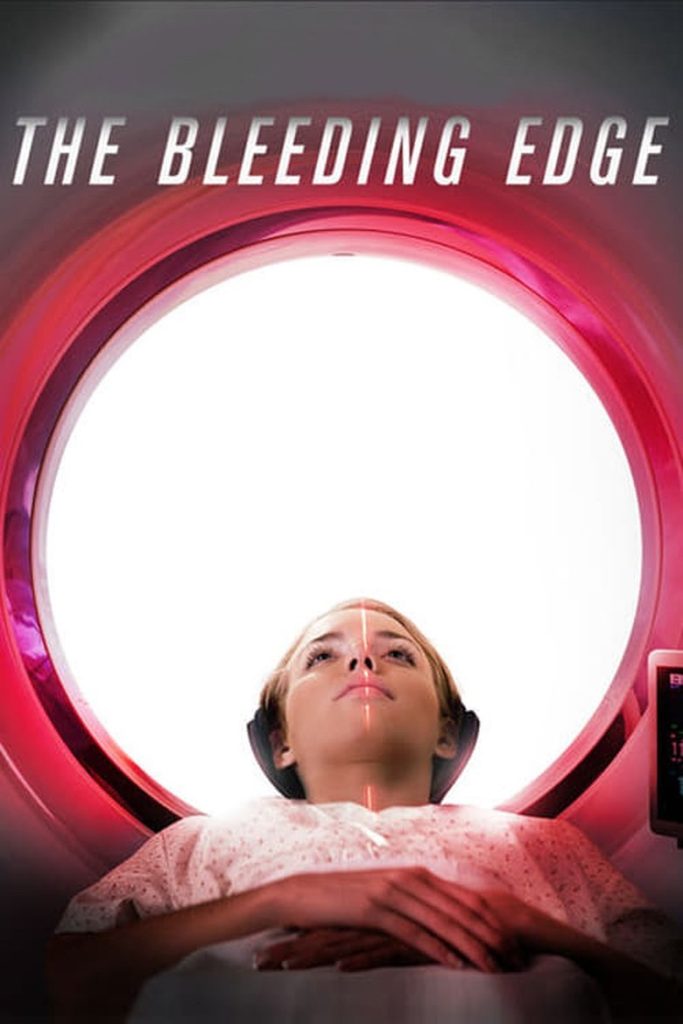
Story overview
This documentary examines the medical device industry in the United States, exploring how innovative technologies designed to improve patient health can sometimes cause harm instead. Through interviews with patients, doctors, and experts, it investigates accountability and safety issues in healthcare.
Parent Guide
A thought-provoking documentary about medical ethics and patient safety that raises important questions about healthcare accountability. While not visually graphic, the subject matter involves serious discussions of medical harm and could be emotionally intense for sensitive viewers.
Content breakdown
No physical violence shown. Discussions of medical complications and patient harm, but no graphic depictions of injuries or procedures.
Potentially disturbing discussions of medical devices causing harm, patient suffering, and healthcare system failures. Some viewers may find the reality of medical complications unsettling.
Standard documentary language. No strong profanity noted in the TV-14 rating context.
No sexual content or nudity.
No depiction of substance use.
Emotionally intense due to discussions of patient suffering, medical complications, and systemic healthcare issues. May provoke strong feelings about healthcare safety and corporate responsibility.
Parent tips
This documentary deals with serious medical topics that may be upsetting for sensitive viewers. It includes discussions of medical complications, patient suffering, and corporate accountability. While not graphic, the emotional content could be disturbing for younger audiences. Best suited for mature middle schoolers and older who can process complex healthcare issues.
Parent chat guide
Parent follow-up questions
—
—
- What did you learn about how medical devices are tested?
- Why is it important for doctors and patients to know about possible problems with medical treatments?
- How can people make good decisions about their health?
- What ethical responsibilities do medical device companies have toward patients?
- How does this documentary challenge our assumptions about medical progress?
- What systemic changes would improve patient safety in healthcare?
- How can individuals advocate for better healthcare policies?
🎭 Story Kernel
The Bleeding Edge is less about the tournament itself and more about the psychological toll of pursuing perfection in a violent art form. The characters are driven by a toxic mix of ego, legacy, and the fear of being forgotten. The central conflict isn't just who wins the final duel, but whether the protagonist can reconcile his brutal skills with the humanity he sacrificed to attain them. The film posits that true mastery requires a piece of your soul, and the final, ambiguous victory feels more like a spiritual defeat.
🎬 Visual Aesthetics
The film employs a stark, desaturated color palette, mirroring the characters' drained emotional states. Fight choreography is intentionally raw and inelegant, favoring heavy, consequential blows over flashy acrobatics. The camera often lingers in tight, claustrophobic close-ups during dialogue, then pulls back to wide, isolating shots during combat, emphasizing the loneliness of their pursuit. Recurring visual motifs include the slow cleaning of blades and shots of worn hands, symbolizing both preparation and the physical cost of their craft.
🔍 Details & Easter Eggs
💡 Behind the Scenes
Lead actor Devon Sawa performed about 90% of his own sword work, training for six months with a historical European martial arts (HEMA) master. The distinctive, gritty sound design for the sword clashes was created by Foley artists using a combination of scraped metal, torn leather, and even recordings of ice cracking. Principal photography took place in an actual decommissioned factory in Bulgaria, whose industrial aesthetic heavily influenced the film's production design.
Where to watch
Choose region:
- Netflix
- Netflix Standard with Ads
Trailer
Trailer playback is unavailable in your region.