
The Book of Life (2014)
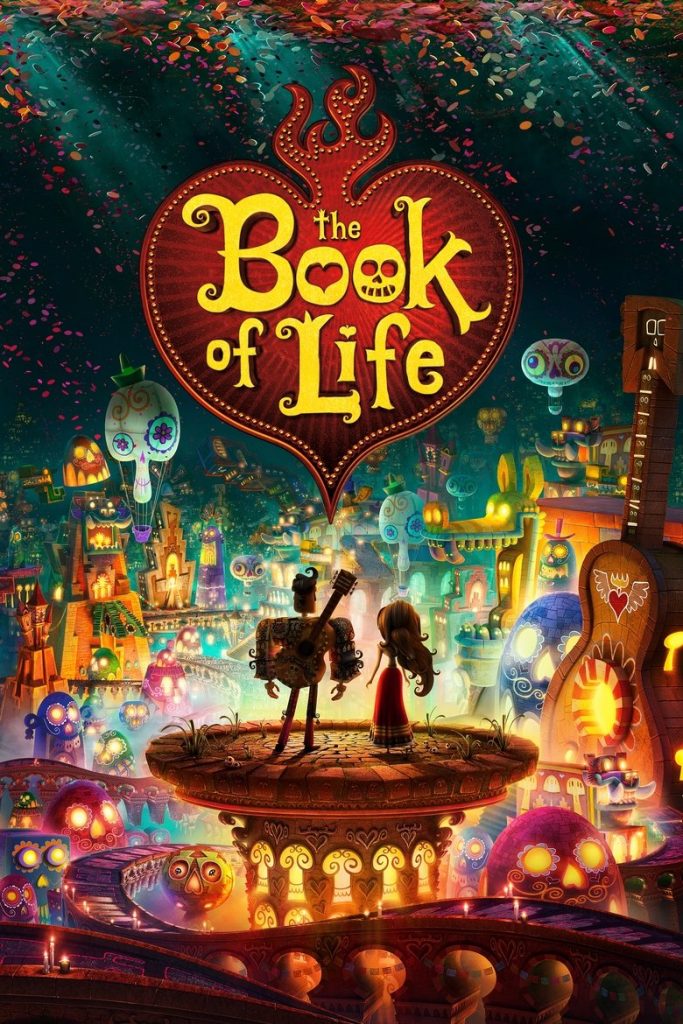
Story overview
The Book of Life follows Manolo, a young man caught between his family's traditions and his own dreams. He embarks on a magical adventure through vibrant fantasy worlds where he confronts his deepest fears and learns about courage and identity. This animated film explores themes of love, heritage, and self-discovery in a visually stunning celebration of Mexican culture and folklore.
Parent Guide
A colorful animated adventure with mild fantasy peril and positive messages about courage and cultural heritage. Best for children who can handle some emotional intensity and fantasy elements.
Content breakdown
Cartoon-style fantasy peril including characters facing monsters and challenges in fantasy worlds. No graphic violence, but some tense action sequences.
Some fantasy creatures and settings might be intense for very young children. Themes involving the afterlife and skeletons are presented in a colorful, non-threatening way consistent with Day of the Dead traditions.
No offensive language noted. Clean dialogue appropriate for family viewing.
No sexual content or nudity. Mild romantic themes are presented age-appropriately.
No substance use depicted.
Themes of family pressure, romantic rivalry, and facing fears create emotional moments. Some scenes involve characters making difficult choices and dealing with consequences.
Parent tips
This PG-rated animated film contains mild fantasy peril and some emotionally intense moments that might be challenging for very young children. The story deals with themes of death and the afterlife within the context of Mexican Day of the Dead traditions, which could lead to questions about cultural beliefs surrounding mortality. The colorful animation and musical elements make it engaging for older children, but parents should be prepared to discuss the cultural context and fantasy elements.
The film includes some mild cartoon violence and scary fantasy creatures that could be frightening for sensitive viewers. There are also themes of romantic rivalry and family pressure that older children will understand better than younger ones. The overall message about following your heart and honoring traditions is positive, but the fantasy elements require some maturity to process appropriately.
Parent chat guide
Focus conversations on the film's positive messages about being true to yourself while respecting family traditions. Ask children what they learned about different cultural celebrations and how characters overcame their fears. For older children, you can explore deeper themes about identity and balancing personal dreams with family expectations.
Parent follow-up questions
- What was your favorite colorful part of the movie?
- How did the characters show they were friends?
- What made you laugh during the movie?
- Which character would you want to be friends with?
- What was the happiest part of the story?
- What did Manolo learn about being himself?
- How did the characters help each other during the adventure?
- What does this movie teach us about family traditions?
- Why was it important for Manolo to face his fears?
- How did the music make you feel during different scenes?
- How does the movie show different ways to be brave?
- What cultural traditions did you notice in the film?
- How did the fantasy worlds help tell the story?
- What does the movie say about following your dreams versus family expectations?
- How did the characters grow or change during their journey?
- How does the film use fantasy elements to explore real-life themes?
- What cultural significance do you think the Day of the Dead traditions have in the story?
- How does the movie portray the balance between individuality and family heritage?
- What different types of love and relationships are shown in the film?
- How does the visual style contribute to the storytelling and themes?
🎭 Story Kernel
At its heart, 'The Book of Life' explores how cultural traditions shape identity and the tension between fulfilling expectations versus pursuing authentic desire. Manolo's journey isn't just about winning Maria's love—it's about reconciling his family's legacy of bullfighting with his true passion for music. The film cleverly frames this through competing afterlife realms: the Land of the Remembered celebrates vibrant memory, while the Land of the Forgotten represents cultural erosion. Ultimately, it argues that honoring tradition doesn't mean blind obedience, but rather finding ways to innovate within it, as Manolo does by blending guitar with mariachi traditions to defeat Xibalba.
🎬 Visual Aesthetics
Director Jorge Gutierrez creates a living Mexican folk art museum, with characters resembling wooden alebrijes (spirit animals) and environments echoing papel picado cutouts. The color coding is deliberate: warm golds and reds dominate the Land of the Remembered, while cold blues and purples define the Land of the Forgotten. Camera movements often mimic traditional animation techniques, with dramatic zooms during musical numbers that feel like flipping through a storybook. The bullfighting sequences use stark silhouettes against fiery backgrounds, visually contrasting violence with Manolo's gentle nature.
🔍 Details & Easter Eggs
💡 Behind the Scenes
Director Jorge Gutierrez based the character designs on toys from his childhood in Mexico City. The film's unique visual style required developing new rendering techniques to make 3D animation look hand-crafted. Diego Luna (Manolo) and Zoe Saldaña (Maria) actually recorded their duet 'No Matter Where You Are' in the same studio, creating authentic musical chemistry. The mariachi arrangements incorporate traditional instruments like vihuelas and guitarróns, with musicians from Mariachi Vargas contributing to the soundtrack.
Where to watch
Choose region:
- Disney Plus
- Amazon Video
- Apple TV
- Google Play Movies
- YouTube
- Fandango At Home
Trailer
Trailer playback is unavailable in your region.