
The Boy Who Harnessed the Wind (2019)
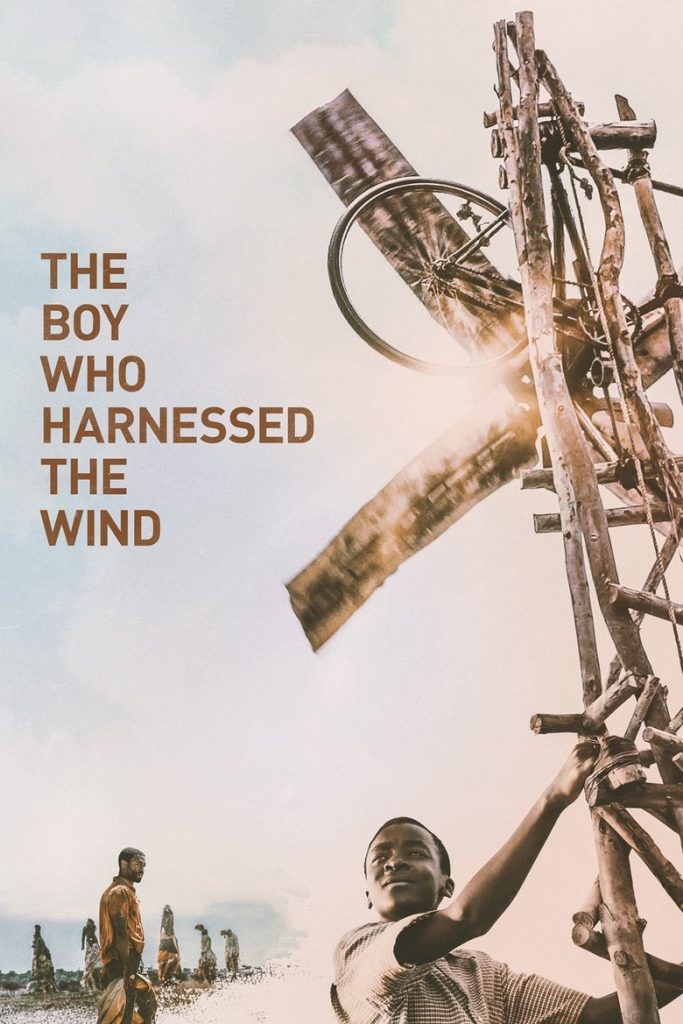
Story overview
The Boy Who Harnessed the Wind is a 2019 historical drama based on a true story. It follows a young boy in Malawi who uses his ingenuity to build a wind turbine to save his village from famine. The film explores themes of perseverance, education, and community resilience against challenging circumstances.
Parent Guide
A family-friendly drama with educational value and inspirational themes, though it contains emotionally intense situations related to famine and poverty.
Content breakdown
Some tense situations related to survival and community conflict, but no graphic violence.
Scenes depicting famine and poverty may be emotionally difficult for sensitive viewers.
No concerning language noted.
No sexual content or nudity.
No substance use depicted.
Themes of hunger, poverty, and family struggle create emotional weight throughout the film.
Parent tips
This film deals with serious themes like famine and poverty, which may be emotionally heavy for younger viewers. It presents a positive message about problem-solving, education, and determination that can inspire discussions about global issues and personal resilience. Consider watching together to provide context and support for any difficult scenes.
Parent chat guide
Parent follow-up questions
- What was your favorite part of the movie?
- How did the boy help his family?
- What did you learn about helping others?
- What challenges did the main character face?
- How did he use what he learned in school?
- Why was it important for him to keep trying?
- What does this film teach us about problem-solving?
- How did the community support each other?
- What might you do if you faced a similar challenge?
- How does this story reflect real-world issues of resource scarcity?
- What role does education play in innovation?
- What ethical considerations arise when communities face survival challenges?
🎭 Story Kernel
At its core, 'The Boy Who Harnessed the Wind' explores the tension between traditional knowledge and scientific innovation as survival tools. William Kamkwamba's journey isn't just about building a windmill; it's about challenging a system where education is a luxury and hunger dictates fate. The film reveals how desperation fuels ingenuity—William's theft of his father's bicycle parts becomes an act of rebellion against generational resignation. The true conflict isn't man versus nature, but progress versus preservation, as William's windmill represents hope that threatens the status quo of suffering. His father's eventual support symbolizes the painful but necessary bridging of old and new worlds for survival.
🎬 Visual Aesthetics
Director Chiwetel Ejiofor employs a deliberate visual language where the camera often sits at human level, emphasizing the grounded reality of village life. The color palette shifts from warm, earthy tones during prosperous times to a bleached, desaturated look as the drought intensifies, visually mirroring the land's depletion. Symbolism emerges through contrasting shots: wide angles showing vast, barren fields against tight close-ups of William's focused hands assembling scraps. The windmill's first rotation is filmed in a continuous, awe-inspired take that mimics the characters' perspective, while night scenes use minimal artificial light, making kerosene lamps and moonlight feel like characters themselves in the struggle against darkness.
🔍 Details & Easter Eggs
💡 Behind the Scenes
Chiwetel Ejiofor not only directed but also learned Chichewa, Malawi's national language, to play William's father authentically—his dedication to linguistic accuracy adds layers to his performance. The film was shot in Malawi near William Kamkwamba's actual village, using many local non-actors whose experiences with drought informed their hauntingly realistic portrayals of hunger. Maxwell Simba, who plays William, had never acted professionally before but was selected for his natural resemblance to Kamkwamba and spent months learning basic engineering to make his windmill-building scenes convincing. The real William Kamkwamba makes a cameo as a radio broadcaster in one scene, quietly observing the dramatization of his own life story.
Where to watch
Choose region:
- Netflix
- Netflix Standard with Ads
Trailer
Trailer playback is unavailable in your region.