
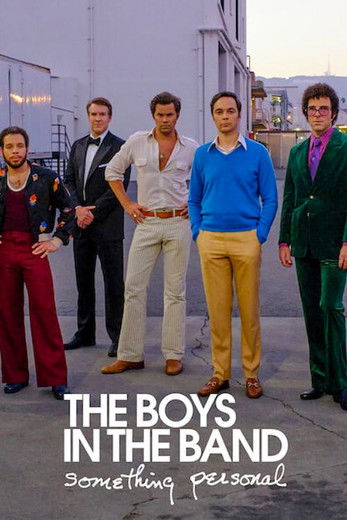
The Boys in the Band: Something Personal (2020)
Story overview
This documentary explores the legacy of Mart Crowley's groundbreaking play 'The Boys in the Band,' which brought gay life to mainstream theater in the 1960s. Through interviews with Crowley and the cast of the 2020 film adaptation, it reflects on the story's cultural impact and personal significance over decades.
Parent Guide
A thoughtful documentary about the cultural impact of a landmark LGBTQ+ play. While not containing explicit content, it deals with mature themes best understood by teens.
Content breakdown
No violence or peril depicted. The documentary consists entirely of interviews and archival footage.
Nothing scary or disturbing. The tone is reflective and conversational.
May include occasional mild language consistent with documentary interviews. No strong profanity.
No sexual content or nudity. Discussions focus on themes of identity and representation rather than explicit content.
No depiction or discussion of substance use.
Some emotional moments as participants discuss personal connections to the material, but overall tone is reflective rather than intense.
Parent tips
This documentary discusses mature themes related to LGBTQ+ history and identity. It's best suited for older children and teens who can understand historical context and social issues. Consider watching together to discuss the content.
Parent chat guide
Parent follow-up questions
—
—
- What did you learn about how stories can be important to people?
- Why do you think it matters to see different kinds of people in movies and plays?
- How does this documentary help you understand the historical context of LGBTQ+ representation?
- What connections do you see between this story and current discussions about diversity in media?
- Why might personal stories like Mart Crowley's be important for cultural understanding?
🎭 Story Kernel
The film is less about a birthday celebration and more a surgical examination of internalized homophobia and generational trauma. The arrival of Michael's ostensibly straight college friend, Alan, acts not as a plot device but as a catalyst, forcing each character to confront the masks they wear. The driving force isn't plot progression, but the relentless pressure-cooker atmosphere that squeezes raw, ugly truths to the surface. It's about the violence people who love each other can inflict when cornered by their own self-loathing and societal shame, making the apartment feel both like a sanctuary and a prison.
🎬 Visual Aesthetics
The cinematography masterfully uses the confines of the New York apartment to create a palpable claustrophobia. The camera often lingers in tight, unflinching close-ups during verbal assaults, making the viewer complicit in the intimacy of the cruelty. The warm, rich color palette of the 1960s decor ironically contrasts with the chilling emotional coldness that sets in. Visual symbolism is subtle but potent, like the way characters are often framed in doorways or reflected in mirrors, highlighting their dual lives and fractured self-perceptions.
🔍 Details & Easter Eggs
💡 Behind the Scenes
The film is an adaptation of Mart Crowley's landmark 1968 play, with the 2020 Netflix film reuniting the entire cast from the 2018 Broadway revival. This unique continuity allowed the actors to deepen their portrayals over years. Director Joe Mantello deliberately shot on a soundstage to replicate the feeling of a theatrical production, enhancing the intense, trapped atmosphere. Jim Parsons, playing Michael, has noted how returning to the role after the stage run allowed for even more nuanced explorations of the character's self-destructive panic.
Where to watch
Choose region:
- Netflix
- Netflix Standard with Ads