
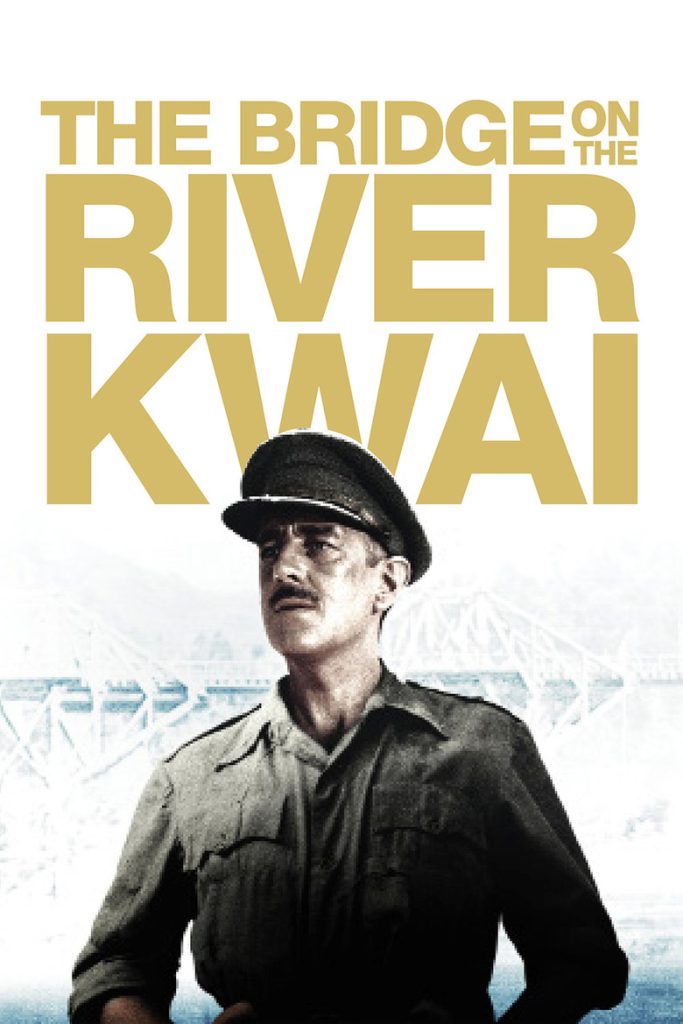
The Bridge on the River Kwai (1957)
Story overview
This classic war drama follows British prisoners of war in Burma during World War II who are forced by their Japanese captors to build a railway bridge. The film explores themes of duty, honor, and the psychological effects of captivity as the prisoners' commander becomes obsessed with building a perfect bridge. Meanwhile, Allied forces plan to destroy the bridge, creating a moral conflict between military objectives and personal pride.
Parent Guide
A classic war drama with moderate violence and complex moral themes suitable for mature children who can handle wartime content.
Content breakdown
Wartime violence including combat scenes, explosions, soldiers being shot and injured, and some deaths. Not excessively graphic but includes realistic battle sequences.
Prisoner of war conditions, psychological tension, and some intense battle scenes. Themes of captivity and wartime stress may be disturbing to sensitive viewers.
Period-appropriate military language and some mild insults. No strong profanity by modern standards.
No sexual content or nudity.
Some social drinking by soldiers in a few scenes.
Strong themes of duty, honor, and moral conflict. Psychological tension and wartime stress create emotional intensity throughout.
Parent tips
This film contains wartime violence including combat scenes, explosions, and depictions of prisoners in harsh conditions. While not excessively graphic by modern standards, the film shows soldiers being shot, injured, and killed in battle sequences. The psychological tension and themes of captivity may be intense for younger viewers.
The film explores complex moral questions about duty, pride, and the costs of war, which could prompt meaningful family discussions. At nearly three hours long, the pacing may challenge younger viewers' attention spans, though the story remains engaging throughout.
Parents should note that while rated PG, this reflects 1957 standards. The film contains more intense war violence than many contemporary PG-rated films, so consider your child's sensitivity to wartime themes and combat scenes.
Parent chat guide
During viewing, pause if needed to check in about intense scenes or to explain historical context. The film's moral complexities about following orders versus doing what's right provide natural discussion points.
After watching, discuss the characters' motivations and decisions. Ask what your child thought about the different perspectives shown in the film and how people might react differently in challenging situations.
Parent follow-up questions
- What did you think about the soldiers in the movie?
- How did the people work together to build things?
- What was your favorite part of the movie?
- How do you think the characters felt when they were working?
- What colors did you see in the jungle scenes?
- Why do you think the soldiers were building the bridge?
- How did the different groups of soldiers work together or disagree?
- What would you do if you had to follow rules you didn't agree with?
- How did the setting (jungle and camp) affect the story?
- What did you learn about how people lived during the war?
- What moral dilemmas did the characters face in the film?
- How did pride and duty influence the characters' decisions?
- What different leadership styles did you observe among the characters?
- How did the film show the psychological effects of captivity?
- What historical aspects of World War II did this film help you understand better?
- How does the film explore the concept of honor in wartime situations?
- What commentary does the film make about the nature of conflict and human psychology?
- How do the different cultural perspectives (British, Japanese, American) shape the narrative?
- What ethical questions does the film raise about following orders versus personal morality?
- How does the film's portrayal of war compare to more modern war films you've seen?
🎭 Story Kernel
At its core, 'The Bridge on the River Kwai' explores the dangerous intersection of pride, duty, and madness in wartime. Colonel Nicholson's obsession with building a perfect bridge becomes a perverse collaboration with his captors, demonstrating how professional pride can eclipse moral clarity. Meanwhile, Shears represents pragmatic survivalism, creating a fascinating tension between two forms of madness: Nicholson's pathological adherence to rules and Saito's desperate need to save face. The film reveals how war distorts human values, turning engineering excellence into an act of betrayal against one's own side. The explosive climax serves as the ultimate indictment of this moral confusion.
🎬 Visual Aesthetics
David Lean's widescreen compositions create a visual dialectic between human scale and overwhelming landscape. The bridge itself becomes a character through meticulous framing—first as an impossible challenge, then as a monument to human achievement, finally as a target for destruction. The color palette shifts from the oppressive greens of the jungle to the bleached wood of the bridge, mirroring Nicholson's psychological journey. The famous 'Colonel Bogey March' whistle sequence uses tracking shots to establish the prisoners' defiant spirit, while the final explosive sequence employs rapid cross-cutting to build unbearable tension between the converging storylines.
🔍 Details & Easter Eggs
💡 Behind the Scenes
Alec Guinness based his Oscar-winning performance on his wartime experiences as a naval officer, particularly his observations of officers who became obsessed with routine. The bridge was built twice—once in Ceylon (now Sri Lanka) for filming, and once as a scaled model for the explosion scene. Director David Lean nearly drowned during the river sequences when caught in strong currents. The film's success sparked controversy in Thailand, where the actual bridge became a tourist attraction despite historical inaccuracies in the story.
Where to watch
Choose region:
- Amazon Video
- Apple TV
- Google Play Movies
- YouTube
- Fandango At Home
- Spectrum On Demand
Trailer
Trailer playback is unavailable in your region.