
The Call (2013)
Story overview
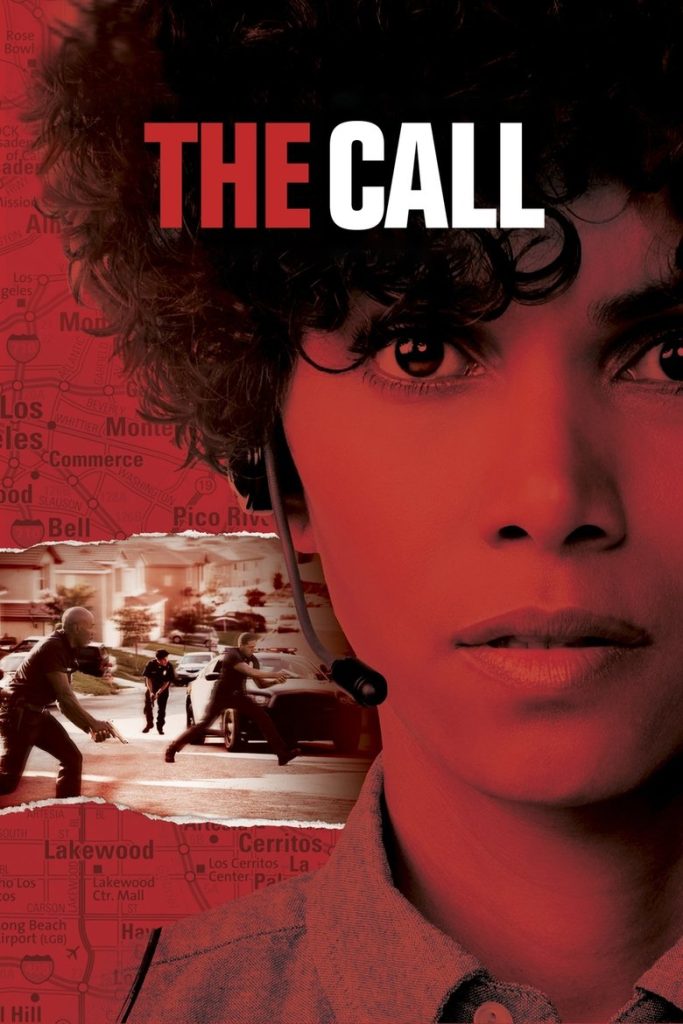
The Call is a 2013 crime thriller about Jordan Turner, an experienced 911 operator who faces a crisis of confidence after a tragic mistake. When teenager Casey Welson is kidnapped and calls for help, Jordan must overcome her doubts to guide Casey through a dangerous situation, using her skills to ensure both the victim's survival and the perpetrator's capture. The film explores themes of responsibility, resilience, and justice under pressure.
Parent Guide
The Call is a tense thriller with realistic peril and violence that earns its R rating. Best for mature teens who can handle suspenseful abduction scenarios and psychological intensity.
Content breakdown
Multiple scenes of abduction, confinement, and threats with a knife. A character is shown bound and gagged in a car trunk. Intense chase sequences and confrontations. Some blood and injury shown, though not excessively graphic.
High tension throughout as a teenager is kidnapped and held captive. Psychological manipulation by the kidnapper. Claustrophobic scenes in confined spaces. The premise of being trapped with an attacker may be particularly unsettling.
Some strong language including 'f--k,' 's--t,' and other profanity, typical of R-rated thrillers. Not excessive but present in tense situations.
No explicit sexual content or nudity. Some brief suggestive dialogue and situations related to the kidnapper's motives, but nothing graphic.
No depiction of alcohol, drug use, or smoking.
High emotional stakes throughout. Themes of guilt, fear, and survival. Characters experience trauma and must overcome psychological barriers. The 911 operator's personal crisis adds emotional depth.
Parent tips
This R-rated thriller contains intense scenes of peril and violence that may be too disturbing for younger viewers. Parents should preview the film or watch with teens to discuss its realistic portrayal of abduction and emergency response. The movie's suspenseful tone and emotional themes make it suitable for mature audiences who can handle psychological tension.
Parent chat guide
Parent follow-up questions
—
—
- What would you do if you felt unsafe? Who could you call for help?
- How did Casey try to stay calm in the car? What smart choices did she make?
- How realistic do you think the 911 response was? What might be different in real life?
- What does the film suggest about trauma and second chances? How did Jordan grow through the crisis?
- How does the movie balance suspense with character development? Did it feel exploitative or respectful?
🎭 Story Kernel
At its core, 'The Call' explores the terrifying power of connection across time and the moral weight of intervention. The film isn't just about preventing murders—it's about how knowledge of the future corrupts both characters. Seo-yeon's initial altruism gives way to desperate self-preservation, while Young-sook's murderous rage is fueled by the promise of a different life she glimpsed through the phone. Their relationship becomes a twisted symbiosis where saving one life necessitates destroying another, questioning whether some fates are better left untouched. The driving force isn't heroism but survival in a timeline where every choice has catastrophic ripple effects.
🎬 Visual Aesthetics
The film's visual language masterfully distinguishes timelines through color and texture. Young-sook's 1999 world is washed in muted greens and browns, with grainy film quality suggesting memory's fragility. Seo-yeon's present is clinically clean with cool blues and sharp digital clarity. The phone itself becomes a visual portal—when characters speak through it, the camera often frames them in similar compositions across decades, emphasizing their connection. Most striking are the transitions where Seo-yeon's interventions visibly alter Young-sook's environment, with objects appearing or disappearing in real-time, making temporal manipulation feel physically tangible rather than abstract.
🔍 Details & Easter Eggs
💡 Behind the Scenes
Park Shin-hye and Jeon Jong-seo reportedly practiced their phone conversation scenes separately to maintain authentic reactions, only hearing each other's lines through earpieces. The house set was built in two identical versions—one dilapidated for 1999 scenes, one modernized for present day—allowing seamless transitions. Director Lee Chung-hyun drew inspiration from his grandmother's stories about old Korean houses having 'another space' beneath floors, which influenced the hidden basement's significance. The phone's distinctive ringtone was custom-composed to sound equally eerie in both time periods.
Where to watch
Choose region:
- Netflix
- Amazon Video
- Apple TV Store
- Google Play Movies
- YouTube
- Fandango At Home
Trailer
Trailer playback is unavailable in your region.