
The Call (2020)
Story overview
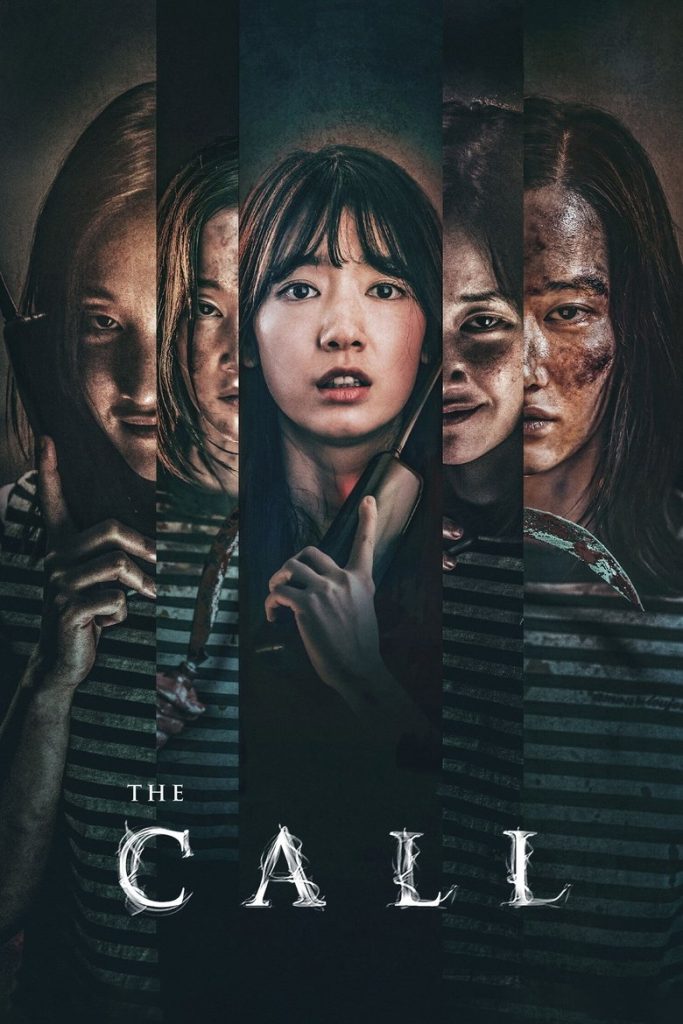
The Call is a 2020 thriller that blends mystery and science fiction elements. The story follows a woman who receives a phone call from someone in the past, leading to a tense and suspenseful narrative. As she attempts to alter events through this connection, unexpected consequences unfold in a gripping psychological drama.
Parent Guide
A psychological thriller with mature themes and intense suspense suitable for older teens and adults.
Content breakdown
Contains psychological peril and tense situations with implied threats, though not graphic physical violence.
Features intense psychological suspense, disturbing implications of altered timelines, and sustained tension throughout.
May contain some strong language consistent with TV-MA rating, but not excessive.
No significant sexual content or nudity based on available information.
No notable substance use depicted based on available information.
High emotional intensity due to psychological suspense, moral dilemmas, and consequences of altered timelines.
Parent tips
This TV-MA rated thriller contains mature themes and intense psychological suspense that may be too strong for younger viewers. The science fiction elements involving time manipulation could confuse children, while the thriller aspects create sustained tension. Parents should consider their child's sensitivity to suspenseful narratives and psychological horror elements before viewing.
Parent chat guide
Parent follow-up questions
- What was your favorite part of the movie?
- How did the movie make you feel?
- What would you do if you could talk to someone from the past?
- Was there anything that scared you?
- What did you learn from the story?
- Why do you think the phone calls were important in the story?
- How did the characters try to help each other?
- What would you change if you could go back in time?
- How did the movie build suspense?
- What makes a good friend in difficult situations?
- What ethical questions does the time communication raise?
- How do the characters deal with unexpected consequences?
- What does the film say about fate versus free will?
- How does the movie use suspense to engage viewers?
- What would you do differently than the main character?
- How does the film explore the psychological impact of changing the past?
- What commentary does the movie make about technology and human connection?
- How does the thriller format enhance the philosophical themes?
- What are the moral responsibilities when we can alter events?
- How does the film handle the tension between hope and despair?
🎭 Story Kernel
The Call is ultimately about the psychological prison of guilt and the terrifying power of inherited trauma. While the time-travel phone premise drives the plot, the core theme explores how unresolved pain can echo through generations, literally reshaping reality. Young-sook isn't just a villain—she's a manifestation of childhood abandonment and abuse, her monstrous actions born from a desperate need to control a world that failed her. Seo-yeon's journey represents the struggle to break familial curses, with her mother's mental illness and her own survivor's guilt becoming tangible threats through the supernatural connection. The film suggests that some wounds are so deep they can warp time itself, forcing characters to confront whether changing the past truly heals or merely creates new cycles of suffering.
🎬 Visual Aesthetics
The film's visual language masterfully uses domestic spaces as psychological battlegrounds. Director Lee Chung-hyun employs claustrophobic framing within the rural house, with doorways and windows becoming portals between timelines. The color palette shifts dramatically—Young-sook's 1999 world is washed in sickly yellows and muted browns, reflecting her decaying environment and psyche, while Seo-yeon's present alternates between sterile blues during moments of safety and violent reds when timelines collide. Clever match cuts connect actions across decades, like Young-sook's hammer strikes echoing in Seo-yeon's modern-day flinches. The phone cord itself becomes a visual metaphor for the umbilical connection between the women, stretching taut during tense moments as if threatening to snap reality itself.
🔍 Details & Easter Eggs
💡 Behind the Scenes
Park Shin-hye and Jeon Jong-seo never actually met during filming—all their intense phone scenes were shot separately, with each actress reacting to recordings of the other's performance. The rural house was a constructed set built specifically for the film, allowing for precise destruction across timeline changes. Director Lee Chung-hyun cited classic Korean horror films like 'A Tale of Two Sisters' as visual inspiration, particularly for the way domestic spaces harbor trauma. The distinctive ringing phone sound was created by layering seven different phone tones with glass breaking effects.
Where to watch
Choose region:
- Netflix
- Netflix Standard with Ads
Trailer
Trailer playback is unavailable in your region.