
The Call of the Wild (2020)
Story overview
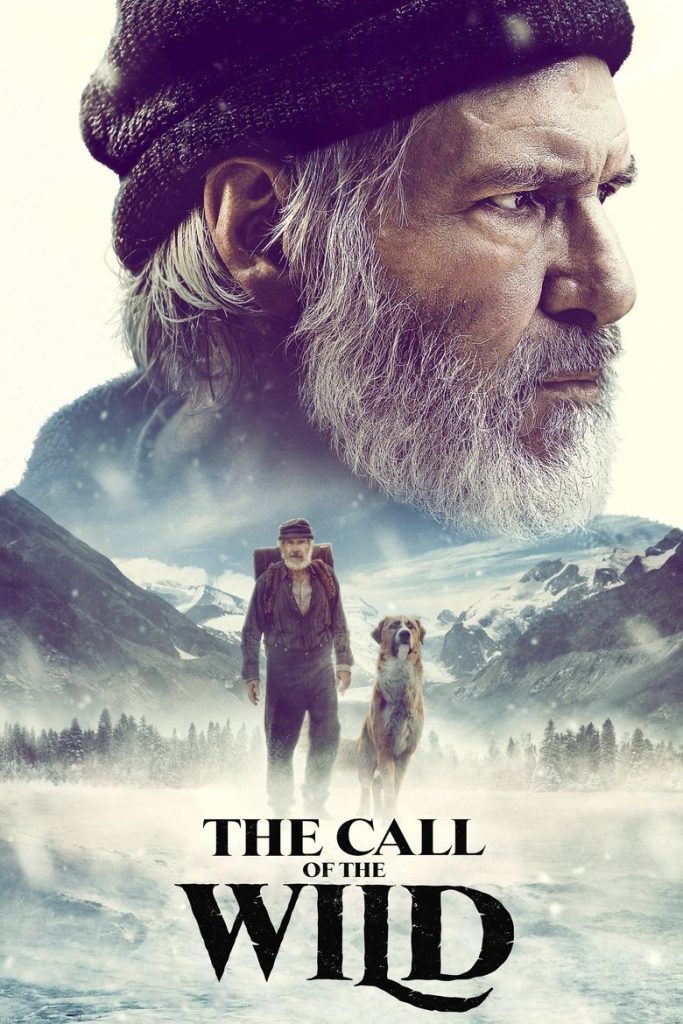
The Call of the Wild is a 2020 adventure film based on Jack London's classic novel. It follows Buck, a domesticated dog who is stolen from his comfortable home and transported to the Yukon during the 1890s Klondike Gold Rush. There, he must adapt to the harsh wilderness and find his true place in the world, forming bonds with humans and other animals along the way. The story explores themes of survival, loyalty, and the call of nature.
Parent Guide
A family adventure film with themes of survival and self-discovery that may contain intense moments for younger viewers.
Content breakdown
Contains scenes of animal peril, wilderness dangers, and human conflicts typical of survival stories. Some characters face threats from nature and other humans.
Some intense wilderness scenes and moments of animal distress may be unsettling for sensitive viewers. The harsh conditions of the Yukon are realistically portrayed.
Occasional mild language appropriate for a PG rating.
No sexual content or nudity.
Brief social drinking in period-appropriate settings.
Contains emotional moments related to separation, survival challenges, and character relationships. Some scenes may be moving or tense.
Parent tips
This film is rated PG for some violence, peril, thematic elements, and mild language. The movie contains scenes of animal peril and human conflict that may be intense for younger viewers. Parents should be aware that there are moments where characters face danger in the wilderness, and some scenes depict the harsh realities of life during the gold rush era. The film's themes of survival and adaptation provide good discussion opportunities about resilience and respect for nature.
Parent chat guide
Parent follow-up questions
- What was your favorite animal in the movie?
- How did Buck feel when he was in the big city?
- What sounds do you think Buck heard in the forest?
- Which part made you feel happy?
- What would you do if you met a dog like Buck?
- Why do you think Buck wanted to leave his home?
- How did Buck help the people he met?
- What was the hardest part of Buck's journey?
- What does 'the call of the wild' mean to you?
- How did Buck change from the beginning to the end?
- What does the film show about the relationship between humans and nature?
- How did different characters treat Buck, and what did that show about them?
- What survival skills did Buck learn in the wilderness?
- Why do you think some people in the film were kind to animals while others were not?
- How does the film portray the idea of finding where you belong?
- How does the film explore themes of freedom versus domestication?
- What commentary does the film make about human ambition during the gold rush?
- How does Buck's journey mirror human experiences of self-discovery?
- What does the film suggest about the price of civilization?
- How does the adaptation compare to the original novel's themes in your opinion?
🎭 Story Kernel
The film's core isn't about Buck becoming wild, but about shedding civilization's corrupting influences to rediscover primal integrity. Buck's journey mirrors John Thornton's escape from grief and alcohol—both characters are domesticated beings seeking purification through wilderness. The real conflict isn't man versus nature, but authentic self versus societal expectation. Buck's final decision to join the wolf pack represents not abandonment of humanity, but transcendence of human failings he witnessed: greed with the mail carriers, cruelty with Hal, and Thornton's self-destructive tendencies. The call isn't to wildness, but to wholeness.
🎬 Visual Aesthetics
The film employs a desaturated color palette that gradually warms as Buck moves northward—muddy browns of California give way to the crisp blues and whites of Yukon wilderness, visually tracking his transformation. CGI Buck's expressions are deliberately more nuanced than real animals could achieve, with camera lingering on his eyes during moral decisions. The sledding sequences use sweeping drone shots that emphasize both the vastness of the landscape and Buck's growing mastery of it. Firelight scenes with Thornton glow with amber intimacy against the cold blue wilderness, creating visual tension between domestic warmth and wild freedom.
🔍 Details & Easter Eggs
💡 Behind the Scenes
Harrison Ford insisted on practical effects where possible, leading to the construction of full-scale sleds and authentic period costumes. The production used a combination of a real rescue dog named Buckley for motion reference and CGI for expressive scenes. Most Yukon landscapes were actually filmed in Los Angeles soundstages and Colorado, with snow machines creating 40,000 pounds of artificial snow daily. Ford ad-libbed several of Thornton's quieter moments with Buck, including the campfire scene about his son.
Where to watch
Choose region:
- Disney Plus
- fuboTV
- YouTube TV
- Amazon Video
- Apple TV
- Google Play Movies
- YouTube
- Fandango At Home
Trailer
Trailer playback is unavailable in your region.