
The Challenger Disaster: Lost Tapes (2016)
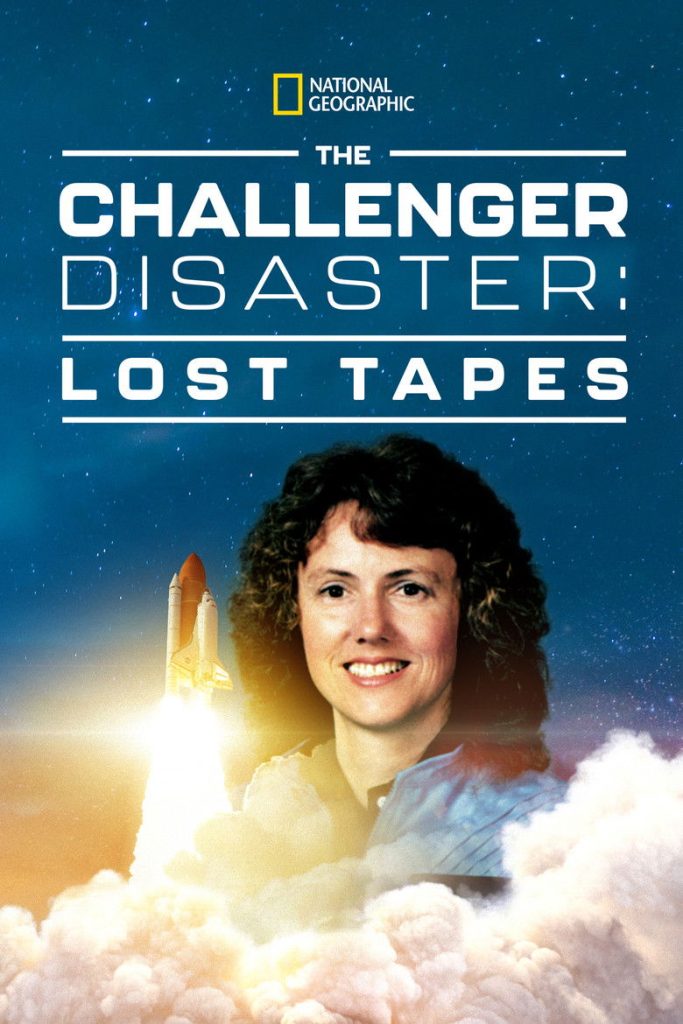
Story overview
This documentary chronicles the 1986 Space Shuttle Challenger disaster through archival footage, audio recordings, and news reports, focusing on teacher Christa McAuliffe's journey as the first civilian in space. It presents the events leading to the tragedy without narration or modern interviews, using only contemporary materials to tell the story.
Parent Guide
Educational documentary about a historical space tragedy with emotional intensity. Suitable for mature children with parental guidance.
Content breakdown
Contains actual footage of the Challenger explosion. No graphic violence, but the disaster is shown and discussed extensively.
The sudden explosion and loss of life may be disturbing. The documentary's archival approach makes events feel immediate and real.
No offensive language. Contains technical and historical dialogue from news reports and NASA communications.
No sexual content or nudity.
No substance use depicted.
High emotional intensity due to the tragic subject matter. Shows real people preparing for a mission that ends in disaster, with emotional interviews and footage.
Parent tips
This documentary deals with a real-life tragedy that may be upsetting for sensitive viewers. The Challenger explosion is shown through actual news footage. Consider watching with children to provide context and emotional support. The historical educational value is significant, but the emotional impact requires parental guidance.
Parent chat guide
Parent follow-up questions
—
- What do you think it would be like to be an astronaut?
- How do you think people felt when they saw the space shuttle?
- What safety rules do you think are important?
- Why do you think space exploration is important despite risks?
- How do you think NASA changed after this event?
- What can we learn from tragedies like this one?
- How does media coverage of disasters affect public perception?
- What ethical considerations surround civilian space travel?
- How has space exploration safety evolved since 1986?
🎭 Story Kernel
The film is not merely a recounting of the Challenger disaster but a chilling autopsy of institutional failure. It expresses how systemic pressures—political, financial, and temporal—can override fundamental engineering safety and human judgment. The characters are driven by a toxic cocktail of ambition, institutional loyalty, and the fatal normalization of risk. Engineers like Roger Boisjoly are driven by a desperate, Cassandra-like need to be heard, while managers are propelled by the inertia of 'go-fever' and the fear of disappointing the public spectacle they helped create. The core tragedy is the triumph of process over principle.
🎬 Visual Aesthetics
The visual language is starkly bifurcated. The 'present-day' investigation scenes are dominated by cold, sterile boardrooms and harsh fluorescent lighting, framing characters in tight, isolating shots that mirror their bureaucratic entrapment. In contrast, the archival 'Lost Tapes' footage—grainy, saturated with 80s color palettes—bursts with life, optimism, and movement. This creates a powerful visual dialectic: the warm, human hope of the launch footage is literally and figuratively interrogated by the cold, analytical gaze of the aftermath. The camera often lingers on faces during teleconferences, capturing the silent dread and frustration that official transcripts cannot convey.
🔍 Details & Easter Eggs
💡 Behind the Scenes
The film's power derives from its rigorous use of primary sources. The 'Lost Tapes' are not dramatizations but actual archival footage, including home videos from the astronauts' families and rarely seen NASA internal film. Actor William Hurt, who plays physicist Richard Feynman, studied Feynman's mannerisms and his famous demonstration with the O-ring and ice water during the hearings, which is recreated authentically. The production meticulously recreated the 1986 Congressional hearing room set based on photographs and video to maintain historical verisimilitude.
Where to watch
Choose region:
- Disney Plus
- History Vault