
The Chase (2017)
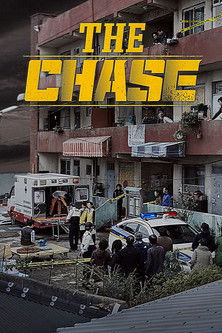
Story overview
In a small town where residents begin dying under mysterious circumstances, a cantankerous landlord receives an unexpected visitor. This stranger recounts details of an unsolved serial murder case from three decades prior, suggesting it might be connected to the current deadly events. As the landlord reluctantly engages with this disturbing history, tensions rise and secrets surface in this South Korean thriller that blends crime investigation with psychological drama.
Parent Guide
A tense South Korean thriller about serial murders and community secrets. Contains moderate violence, strong suspense, and mature themes unsuitable for younger viewers.
Content breakdown
Depictions of dead bodies, crime scenes, and implied murders. Some scenes show characters in peril or threatened. Violence is more psychological than graphic, but includes tense confrontations and criminal investigation elements.
Themes of serial murder and unsolved crimes create sustained suspense. Scenes involving crime investigation, mysterious deaths, and psychological tension may be disturbing. The atmosphere is consistently ominous with elements of mystery and threat.
Some tense dialogue and expressions of fear or frustration. No extreme profanity noted, but characters use strong language appropriate to stressful criminal situations.
No sexual content or nudity present in this crime-focused narrative.
No notable substance use depicted.
Characters experience fear, suspicion, and distress related to criminal investigations and community danger. The film maintains psychological tension throughout as characters confront disturbing truths.
Parent tips
This film contains mature themes including serial murder, violence, and psychological tension. It's best suited for older teens and adults who can handle suspenseful crime narratives. Parents should be aware of intense scenes depicting peril and emotional distress related to criminal investigations.
Parent chat guide
Parent follow-up questions
—
—
—
- What did you think about how the characters dealt with fear and uncertainty?
- How did the film show the difference between suspicion and evidence?
- What themes about justice and community responsibility did you notice?
🎭 Story Kernel
The film explores how societal pressure and mob mentality can corrupt ordinary people, using the pursuit of an escaped convict as a pressure cooker for small-town hypocrisy. While the surface narrative follows Charlie Sheen's fugitive, the real drama unfolds in the townspeople's escalating hysteria—their chase becomes a mirror reflecting their own prejudices, fears, and hidden desires. The movie argues that sometimes the true criminals aren't the ones running from the law, but those who weaponize justice for personal vendettas or entertainment.
🎬 Visual Aesthetics
Director Adam Rifkin employs a gritty, handheld aesthetic that creates visceral immediacy, contrasting the chaotic daytime chases with moody nighttime sequences. The color palette shifts from washed-out daytime blues to saturated neon tones at night, visually separating the public spectacle from private moral reckonings. Action scenes feel deliberately messy rather than choreographed—cars collide with realistic weight, and pursuits unfold with chaotic energy that mirrors the characters' deteriorating judgment.
🔍 Details & Easter Eggs
💡 Behind the Scenes
The film was shot in just 28 days on a modest budget, with many chase sequences captured guerrilla-style on actual Texas highways. Charlie Sheen performed most of his own driving stunts after convincing the director he had extensive racing experience. Several supporting roles were filled by musicians—Henry Rollins brought his punk intensity to the deputy role, while the bar scenes feature cameos from members of The since the film's soundtrack blends country and alternative rock.
Where to watch
Choose region:
- Netflix
- Netflix Standard with Ads
- Amazon Video
Trailer
Trailer playback is unavailable in your region.