
The Chronicles of Narnia: The Lion, the Witch and the Wardrobe (2005)
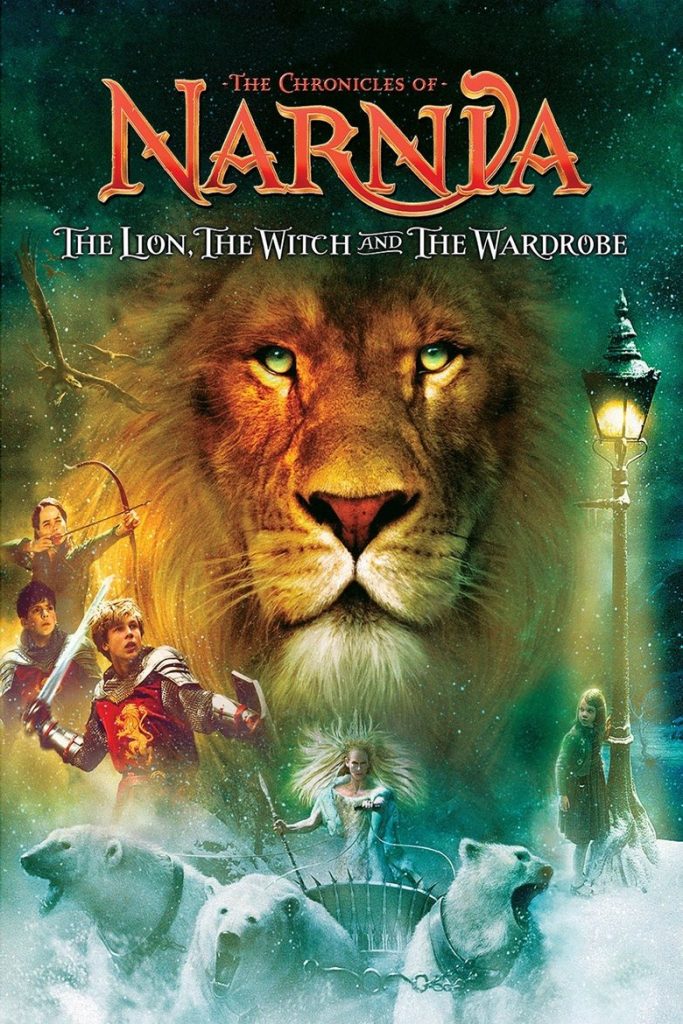
Story overview
Four siblings are evacuated from London during World War II and discover a magical wardrobe that leads to the land of Narnia. They find Narnia under the rule of the White Witch, who has plunged the land into eternal winter. The children join forces with the noble lion Aslan and other talking animals to free Narnia from the witch's tyranny and restore peace to the enchanted kingdom.
Parent Guide
Fantasy adventure with battle scenes and emotional moments that may be intense for younger children.
Content breakdown
Battle scenes with mythical creatures, sword fighting, magical attacks, and characters in peril. No graphic violence shown.
Intense scenes include the White Witch's threatening presence, battle sequences, and a major character's death that might disturb sensitive viewers.
No offensive language present.
No sexual content or nudity.
No substance use depicted.
Emotional scenes involving sacrifice, betrayal, family dynamics, and the death of a beloved character.
Parent tips
This fantasy adventure contains battle scenes with mythical creatures, some perilous situations, and the death of a major character that might be emotionally intense for younger viewers. The film explores themes of courage, sacrifice, betrayal, and redemption through Christian allegory. While generally family-friendly, parents should be prepared to discuss the more intense moments with children under 8.
Parent chat guide
Parent follow-up questions
- Which animal character did you like best?
- What was your favorite magical thing in Narnia?
- How did the children help each other?
- What made you feel happy in the movie?
- What would you do if you found a magical wardrobe?
- Why do you think the White Witch was so mean to everyone?
- How did Peter, Susan, Edmund, and Lucy work together as a team?
- What did you learn about being brave from this movie?
- Why was Aslan so important to the story?
- What would you do differently if you were one of the children?
- What do you think the deeper meaning behind Aslan's sacrifice might be?
- How did Edmund's betrayal affect the story and his relationship with his siblings?
- What themes of good versus evil did you notice in the film?
- How did the children's experiences in Narnia change them?
- What leadership qualities did Peter show throughout the adventure?
- How does the film use fantasy elements to explore real-world themes like war and sacrifice?
- What allegorical meanings might be present in Aslan's character and story?
- How does the film handle complex moral choices and consequences?
- What commentary does the film make about faith, redemption, and forgiveness?
- How does the setting of World War II England contrast with the fantasy world of Narnia?
🎭 Story Kernel
The film is less about a battle between good and evil than about the painful transition from childhood's protective innocence to the responsibilities of adulthood. The Pevensie children are refugees from both war and their own powerlessness. Aslan's sacrifice isn't just for Edmund's betrayal; it's the ultimate parental act—absorbing the consequences of a child's mistake so they can grow. The White Witch represents the frozen state of perpetual childhood, where no one grows, changes, or faces consequences. The children don't just save Narnia; they save themselves from becoming permanent refugees, finding agency through crowns they never wanted but must learn to wear.
🎬 Visual Aesthetics
Director Andrew Adamson uses a deliberate visual progression from drab realism to saturated fantasy. The wartime England scenes are washed in grays and browns, with tight, confining shots. Entering Narnia, the palette explodes into winter whites and blues, but it's a sterile beauty. The true visual transformation comes with Aslan's return—warm golds, vibrant greens, and sweeping landscapes signal life's return. The battle sequences avoid gratuitous gore, using wide shots to emphasize scale over violence, making the conflict feel mythic rather than visceral. The Witch's ice palace is a brilliant visual metaphor: beautiful, imposing, but utterly lifeless and fragile.
🔍 Details & Easter Eggs
💡 Behind the Scenes
The actor playing Aslan, Liam Neeson, recorded his lines in just two four-hour sessions, aiming for a voice that was 'intimate and majestic'. The film's most challenging effect was the beaver dam, a full-scale, functional set built in a Czech river that actually froze during shooting. Tilda Swinton based her White Witch performance on a fusion of Cate Blanchett's Galadriel and David Bowie's otherworldly personas, aiming for an androgynous, glacial authority. The iconic lamppost was a real, functioning gas lamp made by a specialist in England and shipped to New Zealand.
Where to watch
Choose region:
- Disney Plus
- Amazon Video
- Apple TV
- Google Play Movies
- YouTube
- Fandango At Home
Trailer
Trailer playback is unavailable in your region.