
The Color Purple (1985)
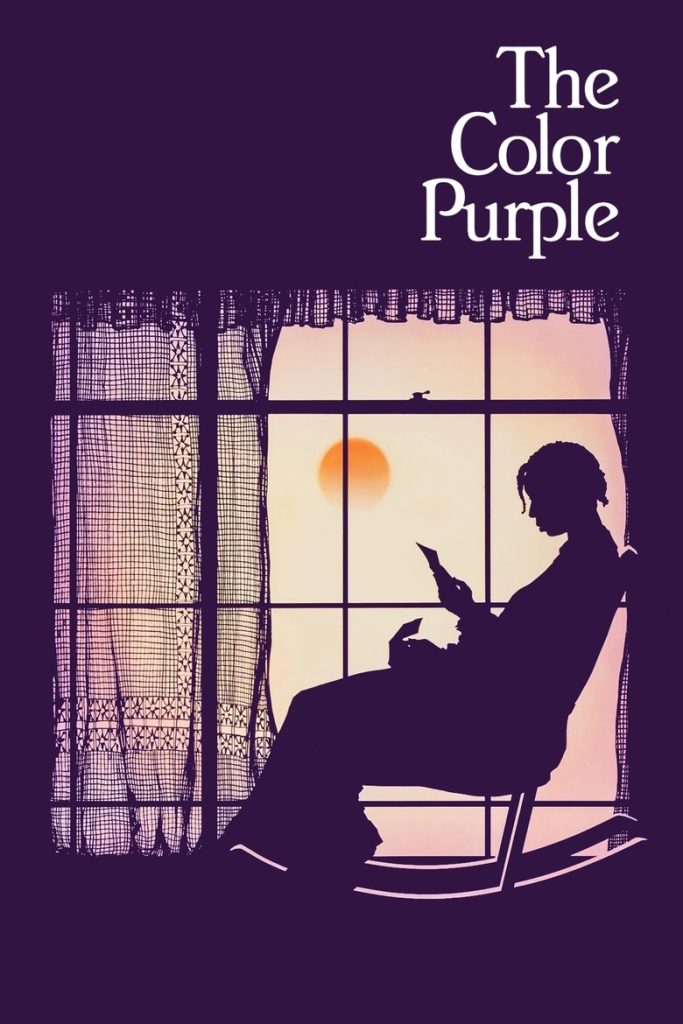
Story overview
The Color Purple is a powerful historical drama following Celie, an African-American woman in the early 20th century South, as she endures decades of abuse, racism, and hardship while maintaining hope for reunion with her sister. The film portrays her journey from oppression to self-discovery through relationships with other women.
Parent Guide
A profoundly moving but intense drama about trauma and resilience with multiple disturbing scenes. Requires mature emotional readiness and parental guidance for viewers under 16.
Content breakdown
Domestic violence including hitting, pushing, and psychological abuse. A character is violently attacked off-screen. Threatening behavior and peril throughout. No graphic gore but emotional violence is central.
Extremely disturbing themes including child sexual abuse, marital rape, forced separation of sisters, racist violence, and emotional cruelty. Characters endure decades of trauma. Some scenes are emotionally harrowing.
Period-appropriate racial slurs and derogatory terms. Some mild profanity. Language reflects historical context of early 20th century American South.
Strong sexual themes including rape (not graphically shown), sexual abuse, marital sexuality, and discussions of sexuality. Implied sexual situations. No explicit nudity but sexual violence is central to the plot.
Social drinking in some scenes. Characters smoke cigarettes occasionally, reflecting the time period. No glorification of substance use.
Extremely high emotional intensity throughout. Themes of abuse, loss, racism, and trauma are sustained over decades of story. Uplifting moments of empowerment and love are earned through difficult journeys.
Parent tips
This film contains intense themes of domestic abuse, sexual violence, racism, and emotional trauma that may be disturbing for younger viewers. Parents should be prepared to discuss historical context, resilience, and the film's messages about empowerment and sisterhood. The PG-13 rating reflects mature content that requires guidance.
Parent chat guide
Parent follow-up questions
—
- Why was Celie treated unfairly?
- How did Celie's friends help her?
- What does it mean to be brave?
- How did racism affect the characters' lives?
- Why do you think Celie kept writing letters?
- What does the color purple symbolize in the story?
- How does the film portray systemic oppression?
- What role does female solidarity play in Celie's liberation?
- How does the film handle the adaptation of Alice Walker's novel?
🎭 Story Kernel
At its core, 'The Color Purple' explores the reclamation of voice and identity through the act of storytelling itself. Celie's journey from object to subject is driven by the transformative power of narrative—first through letters she cannot send, then through those she finally receives. The film argues that oppression isn't just physical violence but the systematic theft of one's story. When Shug tells Celie 'I think it pisses God off if you walk by the color purple in a field and don't notice it,' she's articulating the film's central thesis: that survival requires developing the capacity to perceive beauty and meaning where others see only suffering.
🎬 Visual Aesthetics
Steven Spielberg's direction employs a deliberate visual evolution that mirrors Celie's psychological journey. Early scenes use tight, claustrophobic framing and desaturated earth tones, visually trapping Celie within her circumstances. As she gains agency, the palette expands—the purple flowers Shug mentions become actual visual motifs, and the camera begins to breathe with wider shots. The quilting scenes serve as visual metaphors for piecing together identity from fragments. The final reunion uses golden-hour lighting not as sentimental gloss but as earned visual liberation, suggesting Celie has finally stepped into the light on her own terms.
🔍 Details & Easter Eggs
💡 Behind the Scenes
Whoopi Goldberg's performance as Celie marked her film debut, discovered by Spielberg after her one-woman Broadway show. The Georgia filming locations were chosen for their historical authenticity to the 1909-1949 timeline. Oprah Winfrey, playing Sofia, drew from her own childhood experiences of poverty and abuse, contributing to the raw authenticity of her 'All my life I had to fight' monologue. The quilt patterns shown were researched from actual period designs, with the filmmakers consulting historians to ensure accuracy in this subtle but important visual storytelling element.
Where to watch
Choose region:
- HBO Max
- HBO Max Amazon Channel
- Amazon Video
- Apple TV Store
- Google Play Movies
- YouTube
- Fandango At Home
- Spectrum On Demand
Trailer
Trailer playback is unavailable in your region.