
The Crimson Wing: Mystery of the Flamingos (2008)
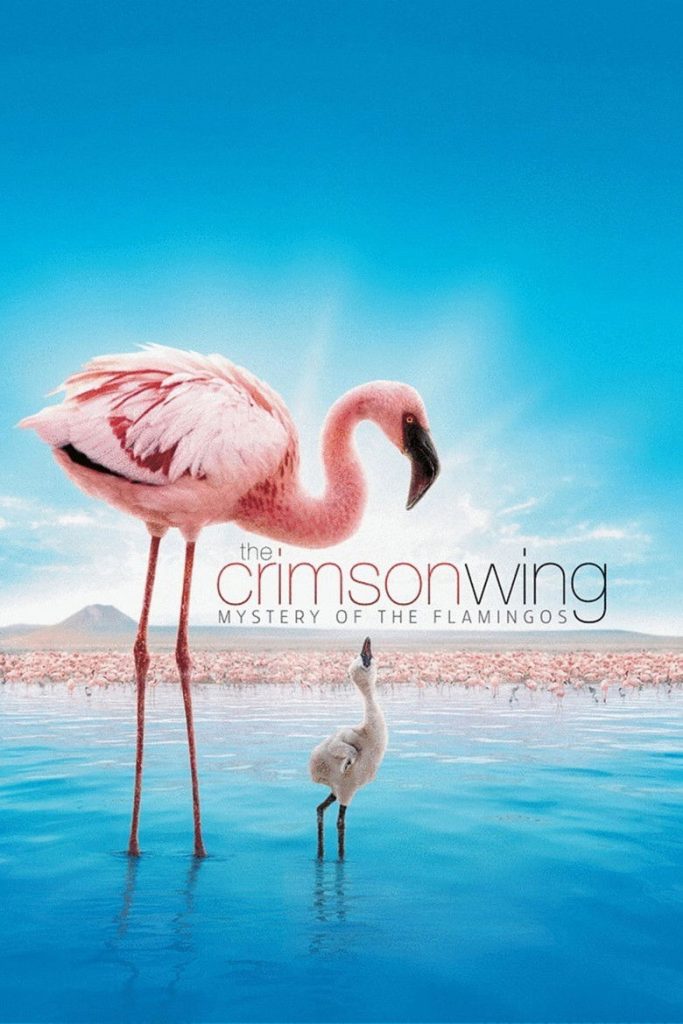
Story overview
This 2008 documentary explores the life cycle of flamingos at Tanzania's remote Lake Natron, showcasing their birth, daily struggles, and natural deaths in a harsh, beautiful environment. Narrated by Mariella Frostrup, it presents nature's raw reality without graphic violence, focusing on the birds' resilience and the ecosystem's delicate balance.
Parent Guide
A gentle, educational documentary about flamingos' life cycle, with mild natural peril and emotional moments. No inappropriate content; suitable for family viewing with guidance for sensitive children.
Content breakdown
Natural predator-prey scenes (e.g., marabou storks hunting flamingo eggs/chicks) shown without graphic detail. Some flamingos die from environmental hazards (e.g., salt encrustation), depicted non-violently.
Mildly disturbing for very young/sensitive viewers due to scenes of dead or struggling flamingos, but not graphic. The remote setting and vast landscapes are awe-inspiring, not frightening.
No offensive language. Narration is factual and calm, with occasional poetic descriptions of nature.
No sexual content. Natural animal behaviors like mating are not shown or discussed in detail.
No substance use depicted or referenced.
Emotional moments from the harsh realities of survival (e.g., chicks separated from parents, deaths) are presented gently but may sadden young viewers. Overall tone is respectful and educational.
Parent tips
This G-rated documentary is educational and visually stunning, suitable for most children. It depicts natural predator-prey interactions and flamingo deaths without gore. Best for ages 6+ due to emotional themes of survival. Watch together to discuss nature's cycles and conservation.
Parent chat guide
Parent follow-up questions
- What colors did you see on the flamingos?
- Can you flap your wings like a flamingo?
- Did you like the baby flamingos?
- Why do you think the flamingos live in such a salty lake?
- How do the parent flamingos care for their babies?
- What might be hard about being a flamingo?
- How does the documentary show the balance of the ecosystem?
- What adaptations help flamingos survive in this environment?
- Why is it important to protect places like Lake Natron?
- How does the film use cinematography to tell a natural story?
- What ethical questions arise from documenting animal suffering?
- How does this documentary compare to others about wildlife conservation?
🎭 Story Kernel
At its core, 'The Crimson Wing' is less about flamingos and more about the brutal, beautiful cycle of life in an extreme environment. The film expresses the profound resilience required for existence when conditions are both creator and destroyer. The flamingos aren't driven by individual character arcs but by an ancient, collective biological imperative—the need to breed at Lake Natron despite its caustic, deadly waters. This creates a narrative of mass survival where the 'characters' are the species itself, battling desiccation, predators, and the lake's own toxic chemistry. The real story is how life persists in places seemingly designed to extinguish it, finding a precarious foothold in poison.
🎬 Visual Aesthetics
The film's visual language is a masterclass in juxtaposition. Sweeping, painterly aerials of pink flocks against the stark white salt flats create a living impressionist canvas. The camera then plunges into intimate, almost clinical close-ups—the gnarled texture of a flamingo's leg, the viscous bubbling of the toxic lake, the desperate scramble of a chick across corrosive mud. The color palette is dominated by the shocking pink of the birds against the alien, mineral whites and blues of the lake bed, with sudden bursts of violent red during predation. This isn't just observation; it's visual immersion into an ecosystem that feels simultaneously majestic and horrifying.
🔍 Details & Easter Eggs
💡 Behind the Scenes
Filmed over two years at Tanzania's Lake Natron, the production faced extreme challenges. The caustic soda in the water could damage camera equipment, and crews had to wear protective gear. The iconic 'crimson wing' color comes from carotenoids in the flamingos' diet of algae and crustaceans. The film was produced by Disneynature, marking a return to the studio's roots in True-Life Adventures, but with modern, cinematic storytelling techniques and a haunting original score by The Cinematic Orchestra that avoids traditional documentary tropes.
Where to watch
Choose region:
- Disney Plus
- Amazon Video
- Apple TV Store
- Google Play Movies
- YouTube
- Fandango At Home
Trailer
Trailer playback is unavailable in your region.