
The Death and Life of Marsha P. Johnson (2017)
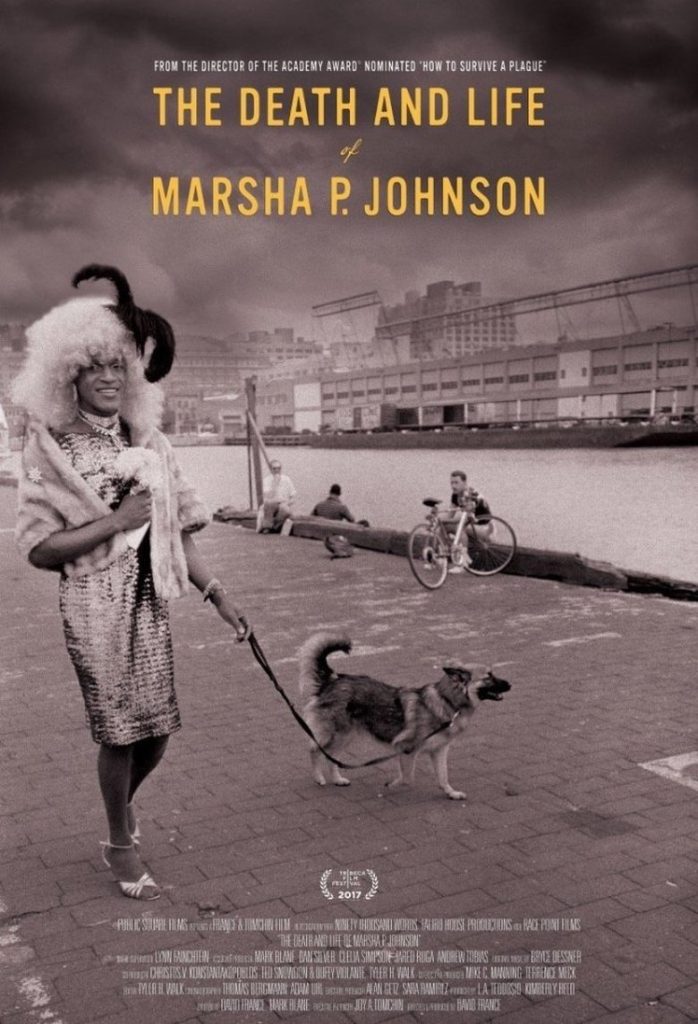
Story overview
This documentary investigates the life and mysterious death of Marsha P. Johnson, a pioneering transgender activist and key figure in the Stonewall uprising and LGBTQ+ rights movement. The film follows activist Victoria Cruz as she re-examines Johnson's 1992 death, originally ruled a suicide but questioned by friends, while celebrating Johnson's legacy and the founding of trans activist groups.
Parent Guide
Mature documentary exploring transgender activism, historical injustice, and an unsolved death investigation. Contains discussions of violence, discrimination, and systemic issues affecting LGBTQ+ communities.
Content breakdown
Discussions of violence against transgender individuals, including hate crimes and suspicious deaths. Descriptions of historical violence during protests. No graphic violence shown, but themes of danger and peril are central to the investigation narrative.
Themes of death investigation, police handling of transgender cases, and systemic injustice may be disturbing. Discussions of suicide and suspicious circumstances surrounding a death. Historical discrimination against LGBTQ+ communities presented.
Occasional strong language in archival footage or interviews. Some derogatory terms used in historical context to describe discrimination.
Discussions of gender identity, transgender experiences, and LGBTQ+ relationships. No explicit sexual content or nudity shown.
Brief references to historical context of substance use in marginalized communities. No glorification or explicit depiction of substance use.
High emotional intensity due to themes of injustice, loss, discrimination, and the search for truth. Interviews with grieving friends and community members. Discussions of systemic failures affecting vulnerable populations.
Parent tips
This documentary deals with mature themes including violence against transgender individuals, police investigations of suspicious deaths, discrimination, and historical LGBTQ+ activism. It includes discussions of suicide, hate crimes, and systemic injustice. Recommended for mature teens who can process these complex social issues. Parents should be prepared to discuss transgender rights, historical context, and emotional responses to injustice.
Parent chat guide
Parent follow-up questions
—
—
—
- What did you learn about Marsha P. Johnson's role in history?
- How did the documentary make you feel about the investigation into her death?
- What questions do you have about transgender rights and activism?
- Why do you think it's important to learn about LGBTQ+ history?
🎭 Story Kernel
The film's true engine is not just chronicling Marsha P. Johnson's life and mysterious death, but interrogating the systems that allowed her case to remain unsolved and unvalued. It exposes a double erasure: first, the potential violence against a Black trans pioneer; second, the institutional indifference from both the NYPD and segments of the LGBTQ+ movement that prioritized white, cisgender narratives. Director David France pivots the narrative from a pure biography to a real-time investigation led by activist Victoria Cruz, making the audience complicit in the search for answers and justice that the state failed to provide. The driving force is the tension between celebratory remembrance and furious demand for accountability.
🎬 Visual Aesthetics
The visual language is a stark contrast between vibrant, living archive and grim, procedural reality. Archival footage of Marsha and 1970s Greenwich Village bursts with saturated color and grainy, joyous chaos, embodying her spirit. This is juxtaposed against the cool, desaturated palette of present-day NYC and the sterile, digital aesthetics of police files and database searches. The camera often adopts a vérité, shaky follow-shot with Victoria Cruz, placing us directly in the investigator's shoes. Symbolically, the recurring shots of the Hudson River—the site of Marsha's death—are never picturesque; they are ominous, grey, and indifferent, mirroring the official response.
🔍 Details & Easter Eggs
💡 Behind the Scenes
Director David France was initially developing a different project on the Stonewall era when he learned activist Victoria Cruz was privately re-investigating Marsha's death, prompting a complete pivot. The production faced significant challenges accessing NYPD records, relying heavily on Freedom of Information Act requests. Much of the iconic archival footage of Marsha comes from rare, privately held tapes and the work of fellow activist and filmmaker, S.T.A.R. co-founder Sylvia Rivera. The film's release sparked renewed public pressure, leading the NYPD to announce a reopened investigation into Johnson's death in 2017, though it was later quietly closed again with no new findings.
Where to watch
Choose region:
- Netflix
- Netflix Standard with Ads
Trailer
Trailer playback is unavailable in your region.