
The Devil Made Me Do It (2021)
Story overview
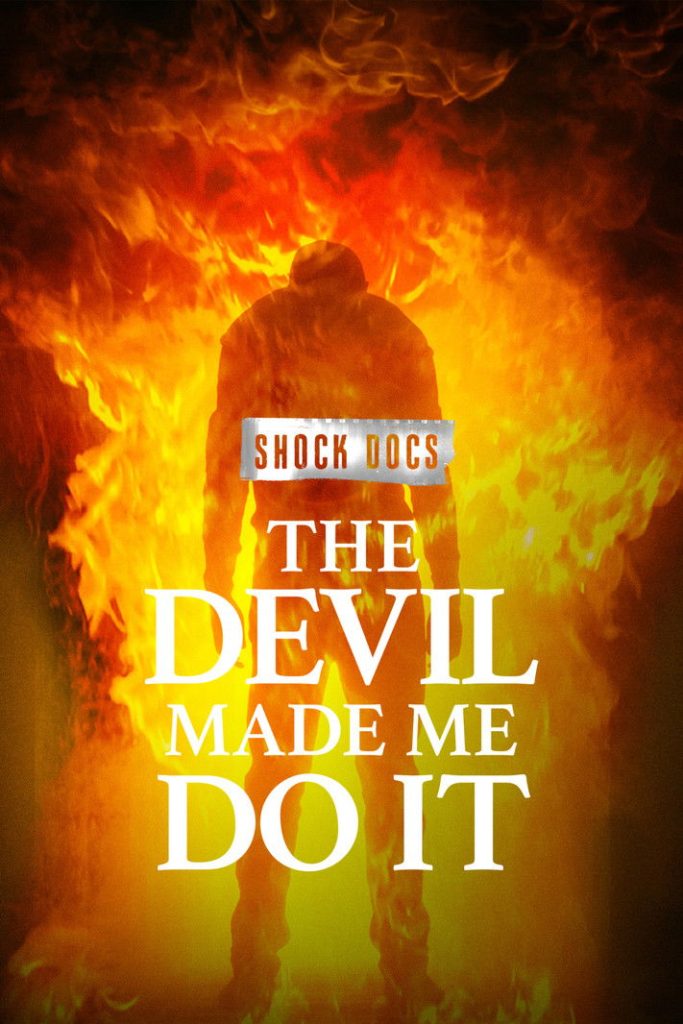
This documentary horror film examines a real-life 1981 case where an 11-year-old boy in Connecticut reportedly showed signs of demonic possession, leading to an exorcism performed by famed paranormal investigators Ed and Lorraine Warren. The film explores how the alleged released demons were connected to a subsequent murder trial, presenting this as one of America's most shocking supernatural-related criminal cases. As a documentary, it blends interviews, archival footage, and reenactments to tell this controversial story.
Parent Guide
This documentary horror film presents disturbing real-life claims of demonic possession and murder with intense reenactments and graphic descriptions. While not excessively gory, the psychological horror and supernatural themes may be deeply unsettling for sensitive viewers. Best for mature teens with parental discussion.
Content breakdown
Discusses a real murder case with descriptions of violence. Reenactments show supernatural attacks and possession symptoms. No graphic violence shown directly, but intense peril scenes and discussions of death.
Extremely frightening supernatural themes including demonic possession, exorcism rituals, and claims of real-life evil entities. Disturbing descriptions of a child's suffering. Creepy atmospheric horror throughout. May cause nightmares or anxiety about supernatural concepts.
Occasional mild profanity. Some religious terminology about evil and demons that may be concerning to some families.
No sexual content or nudity present.
No substance use depicted or discussed.
High emotional intensity due to themes of child endangerment, supernatural terror, and real-life tragedy. May provoke fear, anxiety, or religious concerns. The documentary format makes events feel more real than fictional horror.
Parent tips
1. This is a documentary about real events involving demonic possession and murder - discuss with children that it presents one perspective on controversial claims. 2. The TV-14 rating suggests content may be inappropriate for children under 14 without parental guidance. 3. Be prepared to discuss religious beliefs about exorcism and the supernatural. 4. The murder case elements may be disturbing - emphasize this is historical, not current danger. 5. Consider watching together to pause and discuss frightening or confusing content.
Parent chat guide
Parent follow-up questions
—
- What makes something scary in movies?
- Do you think demons are real or pretend?
- How do people help others who are scared?
- How can we tell if a documentary is telling the truth?
- Why do you think some people believe in possessions?
- What would you do if someone said they saw a demon?
- What evidence would convince you supernatural events are real?
- How do legal systems handle unusual claims like demonic influence?
- What responsibility do filmmakers have when presenting controversial real events?
🎭 Story Kernel
The film is fundamentally about the seductive nature of moral compromise. It's not a simple 'devil made me do it' defense but an exploration of how ambition, fear, and rationalization can lead a fundamentally good person to commit terrible acts. The protagonist, a defense attorney, doesn't just defend his client—he gradually adopts the client's justifications, blurring the line between advocate and accomplice. The driving force is the human capacity for self-deception when faced with professional success, societal pressure, and the terrifying possibility of failure. The 'devil' isn't a supernatural entity but the cumulative weight of small ethical concessions.
🎬 Visual Aesthetics
The cinematography employs a deliberate visual descent. Early scenes are bathed in warm, high-key lighting in wood-paneled courtrooms and sun-drenched offices. As the attorney's morality erodes, the palette shifts to cooler blues and grays, with more shadows and low-angle shots that make spaces feel oppressive. The camera becomes increasingly unstable during key ethical breaches, using subtle handheld movements where earlier scenes were statically composed. The most powerful visual motif is the gradual disappearance of mirrors in scenes with the protagonist—he can no longer look at his own reflection.
🔍 Details & Easter Eggs
💡 Behind the Scenes
The lead actor prepared by shadowing actual defense attorneys for six weeks, particularly in high-profile criminal cases. The courtroom set was modeled after a specific 1920s courthouse in Chicago that the director had visited as a child. During filming, the production used practical lighting effects exclusively—no CGI was employed for the visual transition from warm to cold color palettes, achieved through careful gel selection and timing shoots for specific natural light conditions.
Where to watch
Choose region:
- HBO Max
- Discovery +