
The Devil Wears Prada (2006)
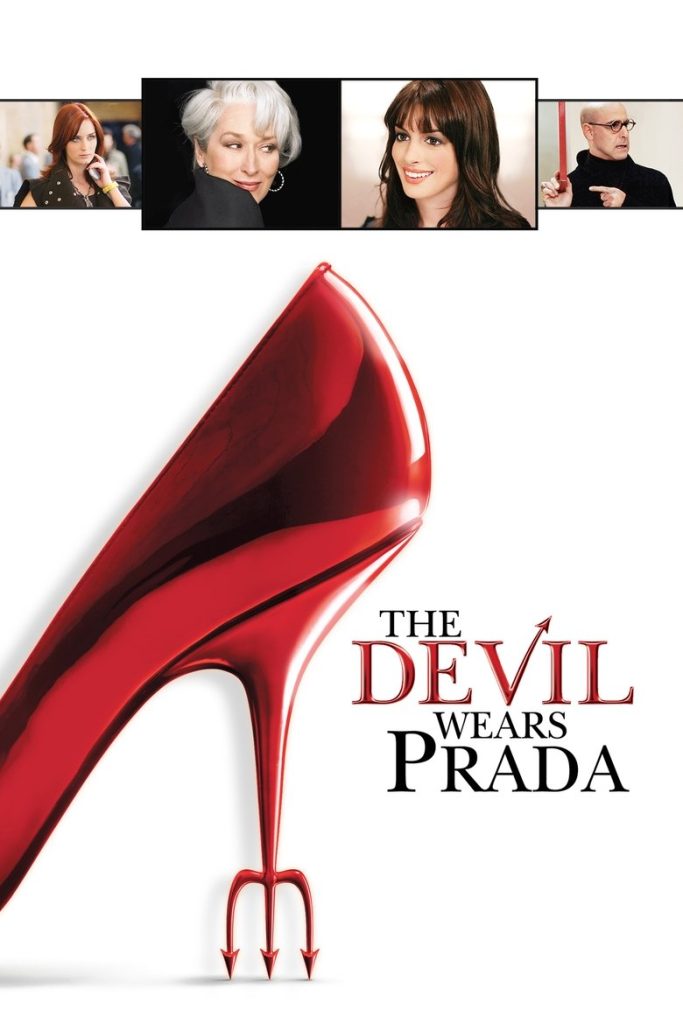
Story overview
The Devil Wears Prada follows a recent college graduate who lands a job as an assistant to the demanding editor-in-chief of a high-fashion magazine. The film explores workplace dynamics, personal integrity, and the pressures of professional ambition in a glamorous but cutthroat industry. Through comedic and dramatic moments, it examines themes of identity, mentorship, and the cost of success.
Parent Guide
A workplace comedy-drama with mild mature themes suitable for teens with parental guidance.
Content breakdown
No physical violence or perilous situations.
No frightening or disturbing content.
Occasional mild profanity and suggestive language.
Implied sexual situations and suggestive dialogue.
Social drinking in professional settings.
Workplace pressure and personal conflict create emotional tension.
Parent tips
This PG-13 film contains mild language, suggestive dialogue, and workplace tension that may be more relatable to older teens and adults. The fashion industry setting includes discussions about appearance and weight that could prompt conversations about body image and self-worth. Parents may want to preview the film to assess its appropriateness for their family, as some themes about professional ethics and personal sacrifice are nuanced.
Parent chat guide
Parent follow-up questions
- What colors did you see in the movie?
- Did you see any nice clothes?
- How did the people talk to each other?
- What job did the main character have?
- Why was her boss called 'devil'?
- How did she feel about her new job?
- What pressures did the main character face at work?
- How did her job change her friendships?
- What choices did she make about her career?
- How does the film critique workplace culture?
- What does it say about mentorship and professional growth?
- How do characters navigate ethical dilemmas in their careers?
🎭 Story Kernel
At its core, 'The Devil Wears Prada' is less about fashion and more about the transactional nature of ambition in modern capitalism. Andy Sachs enters Runway magazine believing she can maintain her integrity while climbing the ladder, but the film meticulously documents how excellence demands compromise. Miranda Priestly isn't a villain—she's the embodiment of a system that rewards total devotion and aesthetic perfection. The real conflict isn't between Andy and Miranda, but within Andy herself as she weighs what she's willing to sacrifice (relationships, ethics, personal style) for professional validation. The 'devil' isn't a person; it's the seductive price of entry into any elite world.
🎬 Visual Aesthetics
The film's visual language masterfully mirrors Andy's transformation through costume and color. Early scenes are washed in muted blues and grays, with handheld camera work emphasizing her discomfort. As she ascends, the palette shifts to crisp whites, metallic silvers, and vibrant reds at Runway, with static, composed shots reflecting the magazine's controlled perfection. Key symbolic moments: Andy's first fashion show is shot with dizzying, disorienting angles, visually representing her overwhelm. The Paris sequence uses golden-hour lighting and romantic wide shots, making the pinnacle of her career visually alluring even as it morally corrupts her. Clothing isn't just wardrobe—it's armor, currency, and betrayal.
🔍 Details & Easter Eggs
💡 Behind the Scenes
Meryl Streep based Miranda Priestly's whispery, deliberate vocal delivery on Clint Eastwood, aiming for someone who never needs to raise their voice to command power. The iconic 'closet scene' where Andy receives her Chanel boots used actual pieces from Anna Wintour's personal wardrobe loaned for filming. Emily Blunt improvised many of her character's most acidic lines, including 'I'm just one stomach flu away from my goal weight.' The real-life 'Runway' office was recreated so accurately that Vogue employees visiting the set reportedly began answering phones and working at the fake desks out of habit.
Where to watch
Choose region:
- Disney Plus
- fuboTV
- YouTube TV
- Amazon Video
- Apple TV
- Google Play Movies
- YouTube
- Fandango At Home
- Spectrum On Demand
Trailer
Trailer playback is unavailable in your region.