
The Disciple (2020)
Story overview
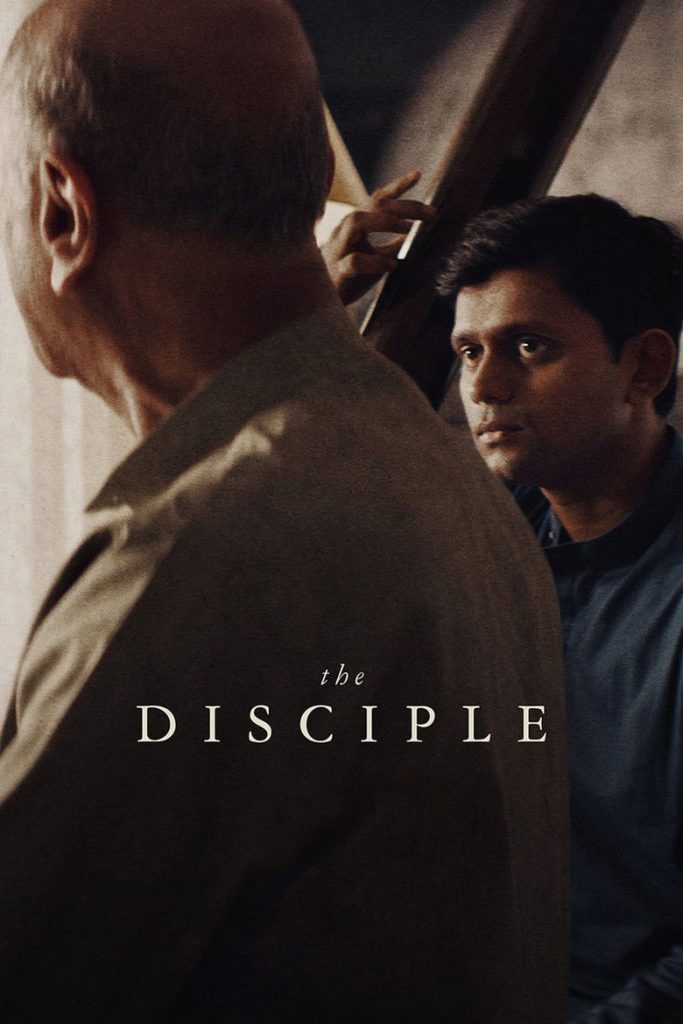
The Disciple follows Sharad, a dedicated classical vocalist in Mumbai, as he dedicates his life to mastering his art under his guru's guidance. The film explores his decades-long journey of rigorous practice, personal sacrifice, and growing existential doubt as artistic perfection remains frustratingly out of reach. Through quiet, observational storytelling, it examines themes of tradition versus modernity, the cost of artistic pursuit, and the search for meaning in a life devoted to discipline.
Parent Guide
A contemplative drama about artistic dedication with mature themes suitable for thoughtful teens. No explicit content but emotionally intense.
Content breakdown
No violence, physical danger, or perilous situations. The tension is entirely psychological and emotional.
Some scenes show the protagonist's psychological distress and existential anxiety. The film's overall tone is contemplative but can feel heavy due to themes of disappointment and self-doubt.
No profanity or offensive language. Dialogue is primarily in Marathi with English subtitles, focusing on musical instruction and philosophical discussion.
No sexual content, nudity, or romantic relationships. The film focuses entirely on the protagonist's artistic journey.
No depiction of alcohol, drugs, or tobacco use.
High emotional intensity stemming from the protagonist's decades-long struggle with self-doubt, artistic frustration, and existential questioning. The film's slow pace and contemplative tone amplify the emotional weight of his journey.
Parent tips
This thoughtful drama about artistic dedication contains mature themes best suited for teens. The protagonist's prolonged struggle with self-doubt and existential questioning may be heavy for younger viewers. While there's no explicit content, the film's emotional intensity and slow pacing require patience. Consider watching with older teens interested in arts, music, or philosophical questions about purpose and sacrifice.
Parent chat guide
Parent follow-up questions
—
- Did you notice the different types of music in the movie?
- What did you think about how much the main character practiced?
- Why do you think Sharad kept practicing even when he felt discouraged?
- What did you notice about how the teacher and student interacted?
- How is traditional music different from music you listen to today?
- How does the film explore the tension between artistic tradition and personal expression?
- What does Sharad's journey reveal about the relationship between discipline and creativity?
- How does the film comment on the economics of pursuing traditional arts in modern India?
- What philosophical questions about purpose and meaning does the film raise?
🎭 Story Kernel
The Disciple explores the suffocating weight of artistic tradition through Sharad Nerulkar's lifelong dedication to Indian classical music. The film isn't about whether he achieves mastery, but whether the pursuit itself has meaning when divorced from genuine passion. Sharad's journey reveals how artistic inheritance can become a prison—he chases his guru's approval and his father's unfulfilled legacy rather than his own voice. The devastating revelation that his idol, the legendary singer Maai, was merely competent rather than transcendent shatters his entire worldview. The film asks whether artistic greatness requires delusion, and whether some traditions survive not through genius but through the faithful who mistake devotion for destiny.
🎬 Visual Aesthetics
Director Chaitanya Tamhane employs a patient, observational visual style that mirrors the slow cultivation of classical music. The camera remains static during performances, forcing viewers to sit with the music's complexity just as Sharad must. The color palette is muted—earthy browns, dim interiors, nighttime scenes—creating a cloistered world where music exists separate from modern India's vibrancy. Long takes during Sharad's motorcycle rides through Mumbai at night become visual mantras, the city's lights blurring into abstraction as he listens to lectures on tradition. The film's visual restraint makes moments of revelation—like the archival footage of Maai's ordinary performance—feel like seismic shocks in an otherwise meticulously controlled aesthetic universe.
🔍 Details & Easter Eggs
💡 Behind the Scenes
Director Chaitanya Tamhane spent four years researching Indian classical music, attending concerts and interviewing musicians to authentically portray the community. Lead actor Aditya Modak isn't a professional actor but a trained classical singer—his performances are genuine, adding layers of authenticity. The film was shot chronologically over 45 days to mirror Sharad's gradual artistic and personal decline. Composer Aneesh Pradhan, a noted scholar-performer, ensured all musical performances were technically accurate. The film's slow pacing and lack of conventional narrative beats reflect Tamhane's deliberate rejection of Bollywood storytelling conventions.
Where to watch
Choose region:
- Netflix
- Netflix Standard with Ads
Trailer
Trailer playback is unavailable in your region.