
The Doomsday Cult of Antares de la Luz (2024)
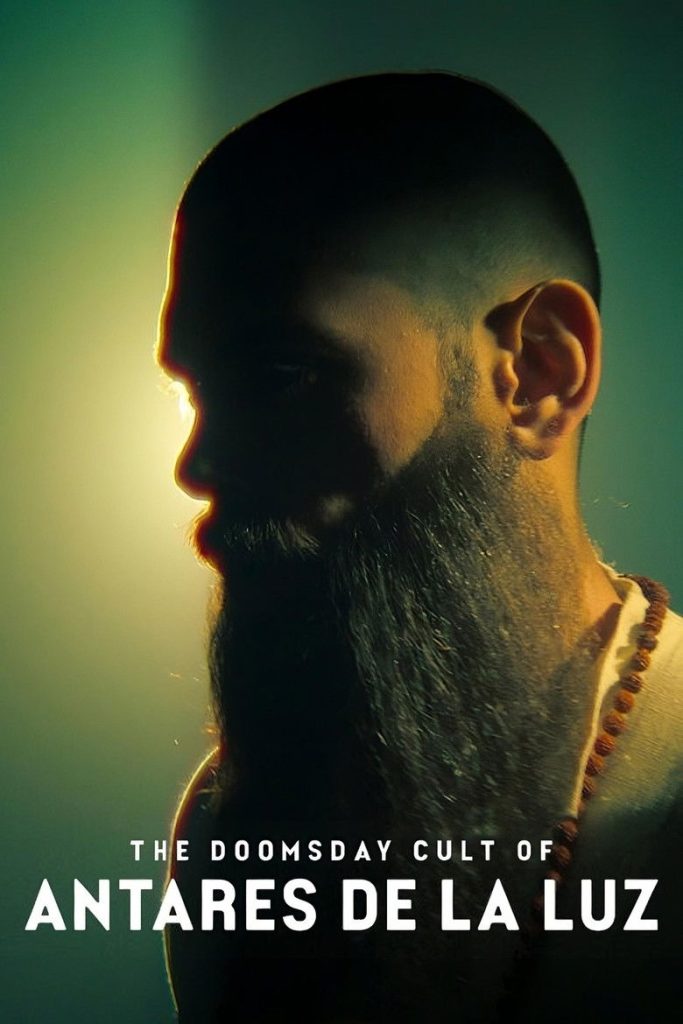
Story overview
This 2024 Chilean documentary examines a real-life cult in Chile, featuring interviews with former members who share their disturbing experiences nearly a decade after being charged with a serious crime. The film explores psychological manipulation, group dynamics, and the aftermath of traumatic events through firsthand accounts.
Parent Guide
A serious documentary about real cult experiences with psychological intensity but minimal visual depictions of violence or explicit content. Requires emotional maturity to process themes of manipulation and trauma.
Content breakdown
References to criminal charges and heinous crimes, but no visual depictions of violence. Psychological peril and emotional danger are central themes.
Disturbing psychological content about cult manipulation, trauma, and criminal allegations. Former members share haunting experiences that may be emotionally unsettling.
No concerning language noted in description. Documentary interviews typically maintain professional tone.
No sexual content or nudity indicated in description.
No substance use indicated in description.
High emotional intensity from personal accounts of trauma, manipulation, and criminal allegations. Themes of psychological abuse and recovery may be emotionally challenging.
Parent tips
This documentary deals with mature themes including cult psychology, criminal allegations, and emotional trauma. While not visually graphic, the content is psychologically intense and may be confusing or frightening for younger viewers. Best suited for mature teens who can process complex social and psychological concepts.
Parent chat guide
Parent follow-up questions
—
—
- What makes a group healthy or unhealthy?
- Why do you think people might join groups that aren't good for them?
- How does this documentary illustrate psychological manipulation techniques?
- What societal factors might make people vulnerable to cult recruitment?
- How do the interviewees demonstrate resilience and recovery?
- What ethical considerations should documentary filmmakers have when covering traumatic events?
🎭 Story Kernel
The documentary explores the terrifying descent of a small group of individuals into a murderous cult led by Ramón Castillo Gaete, known as Antares de la Luz. It is not merely a true-crime retelling but a profound examination of psychological manipulation and the erosion of individual morality within a high-control group. The film delves into how Castillo exploited the spiritual vulnerabilities of middle-class Chileans, convincing them of his divinity and the necessity of a horrific sacrifice to prevent a supposed apocalypse in 2012. By focusing on the testimonies of former members and investigators, the narrative exposes the fragile line between spiritual seeking and total psychological enslavement, ultimately questioning how ordinary people can be coerced into committing the unthinkable in the name of a perceived higher truth and the fear of cosmic judgment.
🎬 Visual Aesthetics
Santiago Correa utilizes a somber, clinical visual palette that mirrors the gravity of the subject matter. The documentary blends haunting archival footage with atmospheric reenactments that avoid sensationalism, favoring a psychological approach. The use of landscape shots of the Colliguay Valley creates a palpable sense of isolation, emphasizing the literal and metaphorical distance between the cult and reality. Lighting is frequently low and moody, reflecting the internal darkness of the events described. The cinematography effectively contrasts the serene beauty of the Chilean countryside with the grotesque nature of the cult's rituals. This visual juxtaposition serves to heighten the viewer's discomfort, reinforcing the theme that horror can thrive in the most tranquil environments when shielded by secrecy, isolation, and the absolute authority of a charismatic leader who demands total submission.
🔍 Details & Easter Eggs
💡 Behind the Scenes
The documentary features unprecedented access to judicial files and interviews with former cult members who had remained silent for years following the events. Director Santiago Correa spent significant time researching the legal aftermath of the 2012 case, which remains one of the most disturbing criminal cases in modern Chilean history. The production team focused on maintaining an objective distance while handling the sensitive nature of the infant's murder. Interestingly, the film also touches upon the specific cultural context of the early 2010s in Chile, where a surge in New Age beliefs provided fertile ground for Castillo's manipulation.
Where to watch
Choose region:
- Netflix
- Netflix Standard with Ads