
The Dreamer Cinderella (2025)
Story overview
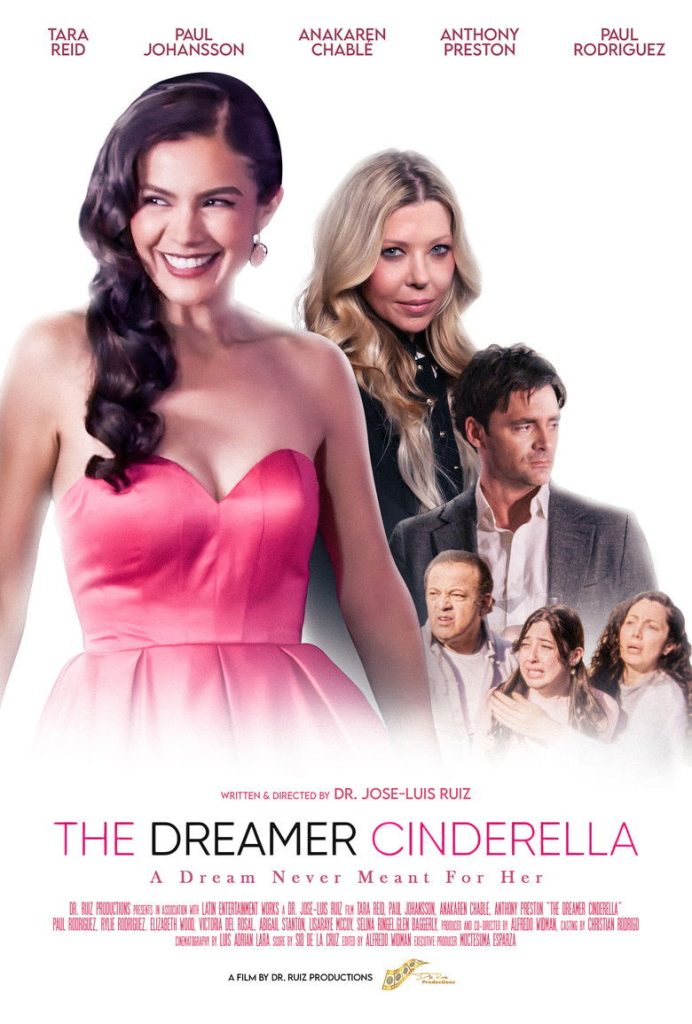
The Dreamer Cinderella (2025) is a drama-romance film directed by Jose-Luis Ruiz, starring Anakaren Chablé, Anthony Preston, Tara Reid, Paul Johansson, and Paul Rodríguez. It tells the story of Xochitl, a Mexican-American street fruit vendor whose life changes when a film director makes her the subject of a bet with a rival. Thrust into an unfamiliar world, she navigates cultural clashes, forming new friendships and rivalries with life-altering consequences. The film blends emotional depth with transformative charm, inspired by Under the Same Moon and My Fair Lady, exploring themes of identity, opportunity, and resilience in a 94-minute runtime.
Parent Guide
A family-friendly drama with positive messages about resilience and cultural understanding, suitable for most children with parental guidance for emotional themes.
Content breakdown
No physical violence or perilous situations depicted; conflicts are primarily social and emotional.
No scary or disturbing imagery; the film focuses on emotional and social challenges without horror elements.
No offensive or strong language noted; dialogue is clean and appropriate for all ages.
No sexual content or nudity; the romance elements are mild and focus on emotional connections.
No depiction of substance use; characters do not engage in drinking, smoking, or drug-related activities.
Mild emotional intensity due to themes of cultural adjustment, rivalry, and personal transformation; may evoke empathy but is not overwhelming.
Parent tips
This film is suitable for children aged 8 and up, with mild emotional intensity and no significant violence, language, or substance use. It explores themes of cultural adaptation and personal growth, which can spark discussions about empathy and diversity. Parents may want to watch with younger children to explain the social dynamics and support understanding of the protagonist's journey.
Parent chat guide
Parent follow-up questions
- What was your favorite part of the movie?
- How did Xochitl help others?
- Can you draw a picture of Xochitl's fruit stand?
- Why do you think the director made a bet about Xochitl?
- How did Xochitl's friendships change during the movie?
- What did you learn about different cultures from this story?
- What does the film say about opportunity and fairness?
- How did Xochitl's background influence her actions?
- Discuss the rivalry between the directors—was it justified?
- Analyze the film's portrayal of cultural clashes and assimilation.
- What are the ethical implications of the bet on Xochitl's life?
- How does this Cinderella story compare to traditional versions in terms of agency and transformation?
Where to watch
Streaming availability has not been announced yet.
Trailer
Trailer playback is unavailable in your region.