
The Edge of Democracy (2019)
Story overview
This documentary provides an intimate look at Brazil's recent political turmoil, focusing on the presidencies of Dilma Rousseff and Lula da Silva. Through personal reflections and archival footage, it examines their rise to power, impeachment processes, and the resulting national polarization, serving as a warning about democratic fragility.
Parent Guide
A politically-focused documentary examining Brazil's recent democratic challenges through personal and archival perspectives. Best suited for mature teens who can process complex political concepts.
Content breakdown
Contains archival footage of political protests with some pushing and shouting, but no graphic violence. References to political imprisonment and historical oppression.
Emotionally intense discussions of political betrayal, impeachment proceedings, and democratic erosion. Some viewers may find the polarization and institutional breakdown disturbing.
Occasional mild political language and heated exchanges in Portuguese with English subtitles. No strong profanity.
No sexual content or nudity present.
No depiction of substance use.
High emotional content as political figures discuss personal and national crises. Themes of betrayal, loss of power, and democratic anxiety create sustained tension.
Parent tips
This film deals with complex political themes that may be challenging for younger viewers. Consider watching together to discuss democracy, leadership, and media literacy. The documentary includes emotional moments and political tension that could be confusing without context.
Parent chat guide
Parent follow-up questions
—
- What do you think a president does?
- How do people work together in a country?
- What makes a democracy strong or weak?
- Why is it important to understand different viewpoints in politics?
- How does media coverage influence political perceptions?
- What responsibilities do citizens have in a democracy?
- How can political polarization affect a society?
🎭 Story Kernel
The film is not a neutral documentary but a personal autopsy of Brazilian democracy, framed through director Petra Costa's own political family history. It expresses the profound disillusionment of a generation that witnessed the rise and fall of their democratic dream. The core drive isn't just political analysis—it's emotional archaeology, excavating how hope curdled into cynicism. Costa positions herself as both witness and inheritor, tracing how the Workers' Party's initial idealism became entangled in corruption, paving the way for Bolsonaro's backlash. The real story is democracy's fragility when trust evaporates.
🎬 Visual Aesthetics
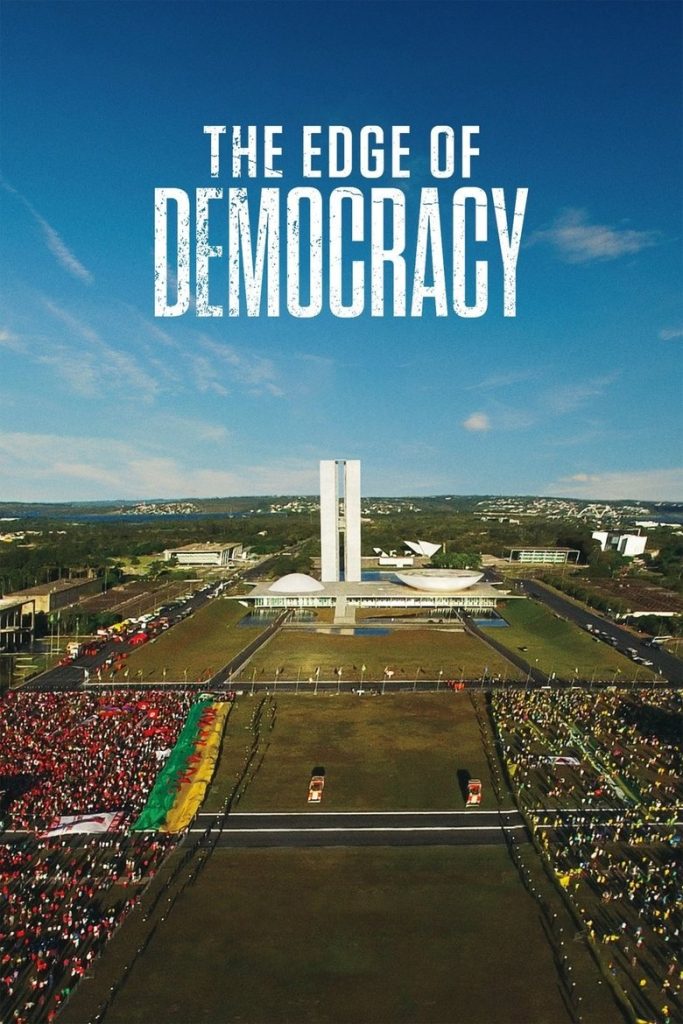
Costa employs a haunting, intimate visual language—extreme close-ups on faces showing micro-expressions of betrayal, juxtaposed with sweeping aerial shots of protest crowds that reduce individuals to anonymous masses. The color palette shifts from warm, hopeful tones during Lula's early presidency to cold, clinical blues and grays as institutions collapse. Archival footage is intercut with personal home videos, blurring the line between national history and family memory. The camera often lingers on empty government chambers, creating a ghostly atmosphere of power abandoned.
🔍 Details & Easter Eggs
💡 Behind the Scenes
Director Petra Costa is the daughter of leftist activists who were imprisoned during Brazil's dictatorship, making her family's story parallel to the nation's. The film's access to presidents Lula and Dilma came through years of trust-building. Key aerial shots were captured during actual protests, with filmmakers blending into crowds. Costa narrated the Portuguese version herself, while the English version features her voice translated by actor/activist Alice Braga, creating dual intimate perspectives.
Where to watch
Choose region:
- Netflix
- Netflix Standard with Ads
Trailer
Trailer playback is unavailable in your region.