
The Elephant Man (1980)
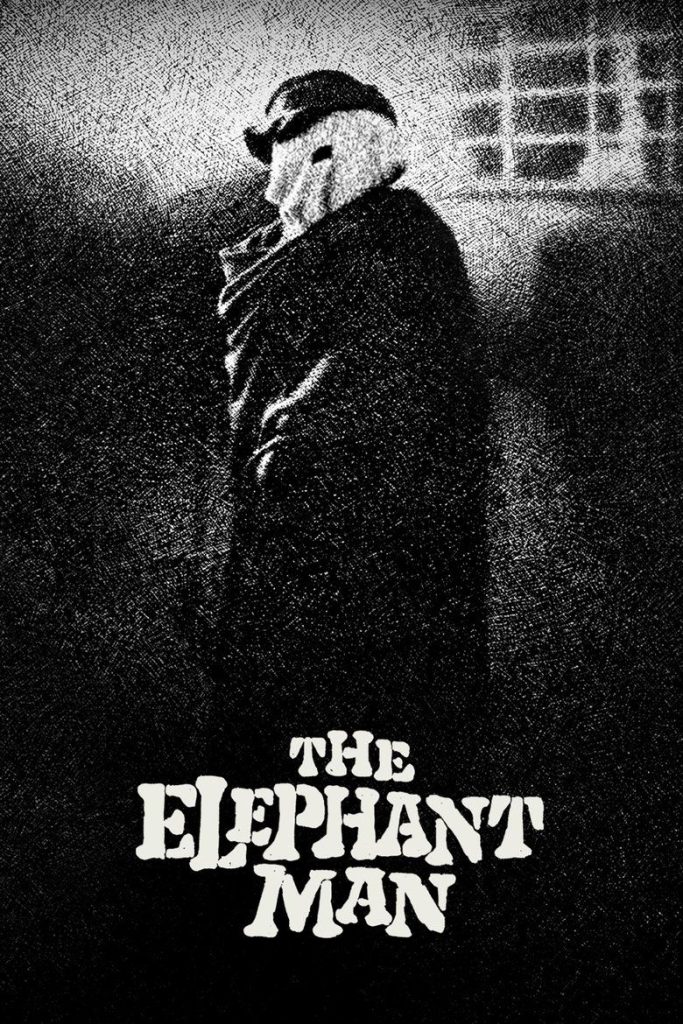
Story overview
The Elephant Man is a historical drama based on the true story of Joseph Merrick, a severely deformed man in 19th century London. The film follows a compassionate surgeon who rescues Merrick from exploitation in a sideshow and helps him find dignity and humanity. Through their relationship, the movie explores themes of kindness, acceptance, and seeing beyond physical appearances to recognize the person within.
Parent Guide
A thoughtful historical drama about dignity and acceptance that may be emotionally intense for younger viewers due to themes of disability and mistreatment.
Content breakdown
Some scenes show verbal abuse and bullying; historical medical procedures are depicted without graphic detail.
Merrick's physical appearance is shown realistically and may be unsettling; scenes of exploitation and mistreatment could distress sensitive viewers.
Period-appropriate insults and derogatory terms related to disability; no modern profanity.
No sexual content or nudity.
No substance use depicted.
Strong themes of isolation, cruelty, and the search for dignity; uplifting moments of kindness and acceptance balance the sadness.
Parent tips
This PG-rated film deals with mature themes including disability, exploitation, and societal cruelty in a historical context. While there's no graphic violence, strong language, or sexual content, the emotional intensity and disturbing imagery of Merrick's condition may be upsetting for sensitive viewers. The film's portrayal of bullying and mistreatment could prompt important conversations about empathy and how we treat people who look different.
Parents should consider their child's emotional maturity when deciding if this film is appropriate. The movie's black-and-white cinematography and deliberate pacing might challenge younger viewers' attention spans, but the powerful message about human dignity makes it worthwhile for mature children. The film's historical setting provides context for discussing how attitudes toward disability have evolved.
Parent chat guide
During viewing, pause if your child seems distressed by the mistreatment scenes, and reassure them that the film shows both cruelty and kindness. Point out how the compassionate characters help Merrick find acceptance.
After watching, focus on the positive messages about looking beyond appearances and treating everyone with respect. Discuss how we can be allies to people who face discrimination or bullying because of how they look.
Parent follow-up questions
- How did you feel when people were mean to the Elephant Man?
- What are some ways we can be kind to people who look different?
- Who were the nice people who helped him in the movie?
- How did the Elephant Man show he was smart and kind?
- What did you learn about being a good friend?
- Why do you think people treated the Elephant Man so badly at first?
- How did the doctor show compassion toward someone who looked different?
- What does this movie teach us about judging people by their appearance?
- How did the Elephant Man prove he was more than just his looks?
- What would you do if you saw someone being bullied for how they look?
- How does the film show the conflict between scientific curiosity and human dignity?
- What historical factors might have influenced how people with disabilities were treated?
- How does the movie challenge our assumptions about intelligence and worth?
- What responsibilities do we have toward people who are vulnerable or different?
- How can art and kindness help overcome prejudice?
- How does the film explore the tension between exploitation and empowerment?
- What commentary does the movie make about Victorian society's treatment of 'the other'?
- How does the cinematography and style contribute to the emotional impact?
- What contemporary parallels can you draw regarding how society treats people with differences?
- How does the film balance historical accuracy with emotional storytelling?
🎭 Story Kernel
At its core, 'The Elephant Man' explores the tension between external appearance and internal humanity. John Merrick's journey isn't about physical transformation but about society's gradual recognition of his personhood. The film questions what makes someone human—is it biology, intellect, emotion, or simply being treated as human by others? Dr. Treves initially sees Merrick as a medical curiosity, but their relationship evolves into genuine friendship, revealing that compassion requires seeing beyond surfaces. The narrative exposes how Victorian society's obsession with spectacle and classification creates monsters, then punishes them for existing.
🎬 Visual Aesthetics
David Lynch employs stark black-and-white cinematography that mirrors the film's moral binary while creating a dreamlike, almost Gothic atmosphere. The camera frequently lingers on Merrick's disfigured face, forcing viewers to confront their own discomfort. Industrial imagery—steam, machinery, shadows—pervades the film, visually connecting Merrick's exploitation to the era's dehumanizing industrialization. The hospital sequences are clinically bright, while the carnival and nighttime scenes drown in oppressive shadows. Lynch uses slow, deliberate pacing and haunting sound design (industrial noises, breathing) to create visceral unease rather than relying on graphic imagery.
🔍 Details & Easter Eggs
💡 Behind the Scenes
John Hurt spent eight hours daily in makeup created by Christopher Tucker, who studied Joseph Merrick's actual skeletal remains. The prosthetic was so convincing that crew members avoided Hurt between takes. Anthony Hopkins and John Gielgud performed their hospital scenes at London's actual Bethlem Royal Hospital. Lynch insisted on black-and-white filming against studio wishes, arguing color would make the film 'too real' and lessen its mythic quality. The train station finale was shot at London's Liverpool Street Station during actual operating hours, with commuters unknowingly appearing as extras.
Where to watch
Choose region:
- MUBI
- MUBI Amazon Channel
- Studiocanal Presents Amazon Channel
- Apple TV
- Rakuten TV
- Amazon Video
- Google Play Movies
- Sky Store
- BFI Player
- YouTube
- JustWatchTV
Trailer
Trailer playback is unavailable in your region.