
The Elephant Queen (2019)
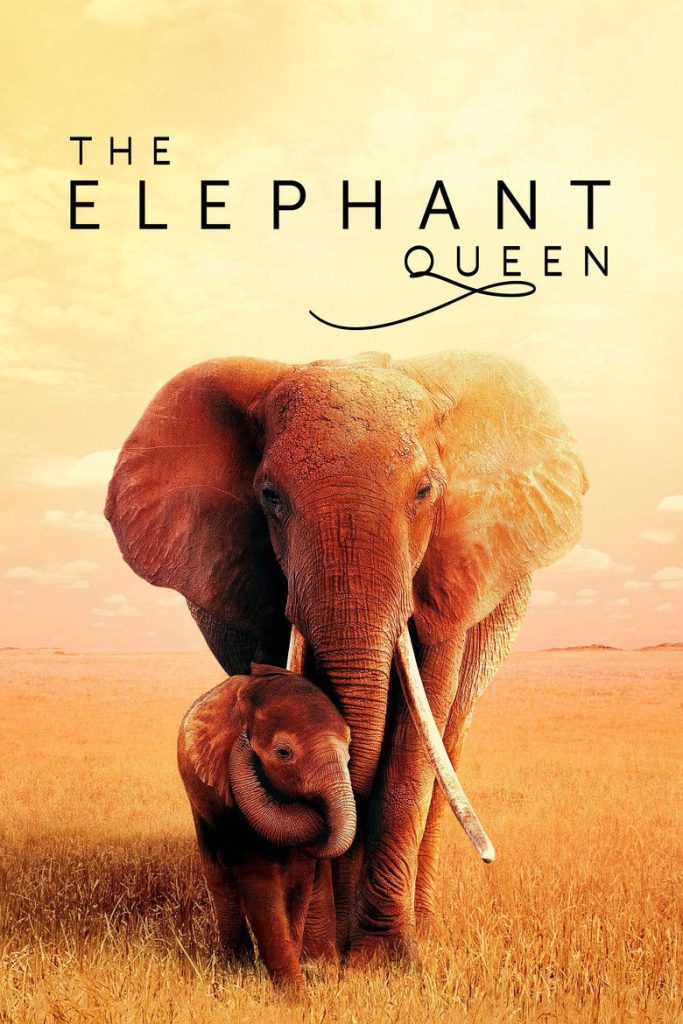
Story overview
The Elephant Queen is a 2019 family documentary that follows the journey of an elephant matriarch and her herd across the African savanna. The film showcases the natural behaviors, social structures, and survival challenges these magnificent creatures face in their ecosystem. Through stunning cinematography, viewers witness the elephants' migration in search of water during the dry season, highlighting their intelligence and resilience.
Parent Guide
Family-friendly documentary with educational value about elephant behavior and ecosystems. Some emotional moments as elephants face natural challenges.
Content breakdown
Natural predator-prey situations shown in documentary context. Elephants face peril from drought and other environmental challenges.
Some tense moments as elephants navigate survival challenges. Young children might find scenes of drought or predator threats concerning.
No concerning language. Narration is educational and family-appropriate.
No sexual content. Natural animal behavior shown in documentary context.
No substance use depicted.
Emotional moments related to survival challenges and family bonds. Some scenes may elicit concern for the elephants' wellbeing.
Parent tips
This documentary provides an excellent opportunity to discuss animal behavior, ecosystems, and conservation with children. The PG rating primarily reflects some emotional moments as the elephants face natural challenges in their environment. Parents should be prepared to talk about the circle of life as the film shows realistic wildlife situations without graphic violence.
Younger children might need reassurance during scenes where elephants face peril from drought or predators, though these are presented in a documentary style without sensationalism. The film's educational value makes it suitable for family viewing, especially for children interested in animals and nature.
Parent chat guide
For older children, you might explore the concept of animal intelligence and how elephants demonstrate memory, problem-solving, and emotional connections. The film also provides opportunities to discuss leadership qualities as shown by the matriarch elephant guiding her herd.
Parent follow-up questions
- What was your favorite elephant in the movie?
- What sounds did the elephants make?
- How do baby elephants stay safe with their family?
- What did the elephants eat?
- Why were the elephants walking so far?
- Why is the oldest female elephant the leader of the herd?
- How do elephants help each other when they're in trouble?
- What challenges did the elephants face during their journey?
- Why is water so important for all animals?
- What did you learn about how elephants communicate?
- What leadership qualities does the matriarch elephant demonstrate?
- How does the film show the importance of family and community in animal societies?
- What environmental factors threatened the elephants' survival?
- How do elephants' behaviors show their intelligence?
- What conservation messages did you notice in the documentary?
- How does the documentary balance educational content with emotional storytelling?
- What ethical considerations arise when documenting wildlife in their natural habitat?
- How does climate change affect migration patterns shown in the film?
- What parallels can you draw between elephant social structures and human societies?
- How effective is the film in promoting conservation awareness without being preachy?
🎭 Story Kernel
The film's core is a profound meditation on leadership, sacrifice, and the cyclical nature of life, framed not as a generic nature documentary but as an intimate epic. It follows Athena, the elephant matriarch, whose primary drive isn't survival for herself, but the stewardship of her herd through a drought. The real story is the tension between her deep knowledge of a dying waterhole and the terrifying gamble of leading her vulnerable family—including a newborn calf, Mimi—on a perilous migration. The climax isn't a predator attack, but the heart-wrenching decision to leave the weak Mimi behind, reframing 'strength' as the courage to make tragic choices for the greater good of the clan.
🎬 Visual Aesthetics
The cinematography operates on two breathtaking scales: sweeping aerials that map the cracked, golden savanna like a parched canvas, and intimate macro photography that turns a dung beetle's struggle into a heroic odyssey. The color palette shifts from lush greens and blues at the waterhole to a monochrome palette of dust, bone, and bleached sky during the drought, visually charting the herd's desperation. Slow-motion sequences of elephants bathing or trumpeting aren't just beautiful; they're emotional punctuation, emphasizing the weight and grace of their communal bonds. The camera often adopts a low, ground-level perspective, making the audience experience the world through the eyes of the smallest creatures.
🔍 Details & Easter Eggs
💡 Behind the Scenes
Narrated by Chiwetel Ejiofor, the film was shot over four years in Kenya's Tsavo East National Park. Directors Mark Deeble and Victoria Stone lived in a camouflaged 'hide' for months to achieve the unprecedented intimacy with the elephant herd. The story's central waterhole, a key character, is actually a man-made dam, adding a layer of irony about human intervention in wild spaces. The newborn calf Mimi's journey was so compelling that the editors restructured the entire narrative around her, making her the emotional core of the migration epic.
Where to watch
Choose region:
- Apple TV
- Apple TV Amazon Channel
Trailer
Trailer playback is unavailable in your region.