
The Elephant Whisperers (2022)
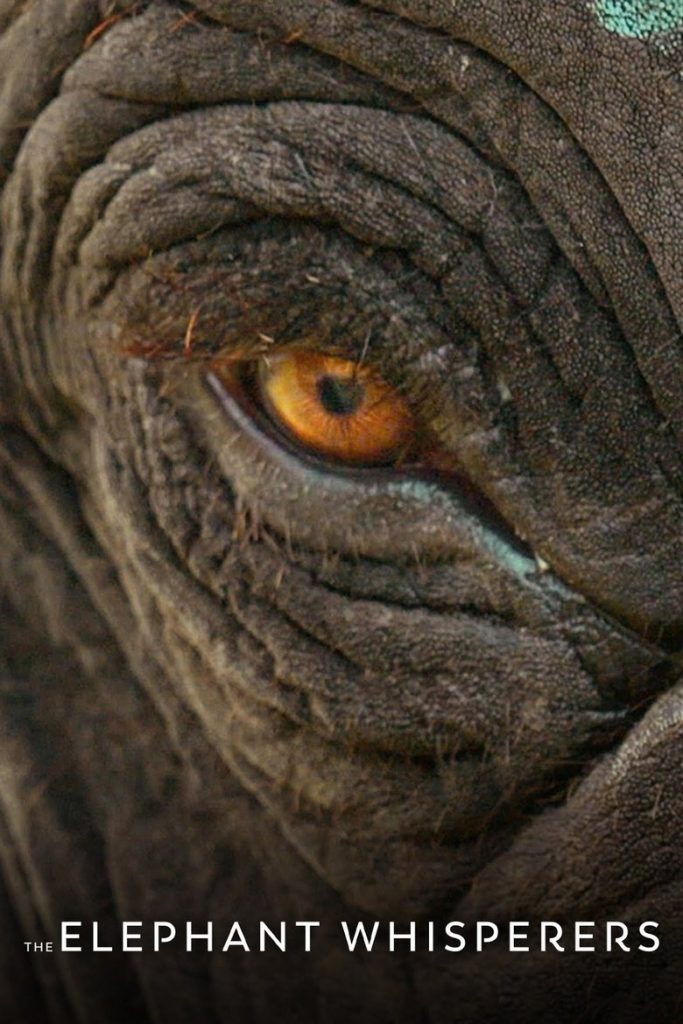
Story overview
This 2022 documentary follows Bomman and Bellie, a couple in southern India, as they dedicate themselves to raising Raghu, an orphaned baby elephant. The film explores their deep bond with the elephant, showcasing themes of compassion, family, and the human-animal connection in a gentle, observational style.
Parent Guide
A gentle, heartwarming documentary about human-animal connection with minimal concerning content. Suitable for most children with parental guidance for younger viewers.
Content breakdown
No violence. Some mild peril when the elephant appears distressed or vulnerable due to being orphaned, but all situations are resolved safely.
Some children might find scenes where the baby elephant is alone or appears sad to be emotionally affecting. The documentary handles these moments sensitively without graphic content.
No offensive language. The film is primarily in Tamil with English subtitles, featuring gentle, caring dialogue.
No sexual content or nudity.
No substance use depicted.
Emotional moments related to caring for an orphaned animal and the bond that develops. The overall tone is uplifting and heartwarming rather than intensely dramatic.
Parent tips
This documentary is suitable for most children, but younger viewers might need reassurance during scenes where the elephant appears distressed or vulnerable. The film's slow pace and focus on daily care routines may require some patience from younger audiences. It's an excellent opportunity to discuss animal welfare, empathy, and different cultural practices.
Parent chat guide
Parent follow-up questions
- What was your favorite part with the elephant?
- How do you think Raghu felt when he was with Bomman and Bellie?
- What sounds did the elephant make?
- Would you like to help take care of an animal like Raghu?
- Why do you think Bomman and Bellie decided to care for Raghu?
- What challenges did they face in raising an elephant?
- How is caring for an elephant different from caring for a pet?
- What did you notice about how they communicated with Raghu?
- What does this film teach us about human-animal relationships?
- How does the documentary show the concept of 'family' in different ways?
- What cultural aspects of life in southern India did you observe?
- What responsibilities do humans have toward orphaned or injured wildlife?
- How does the film explore themes of sacrifice and dedication?
- What ethical considerations arise from keeping wild animals in human care?
- How does the documentary use visual storytelling to create emotional impact?
- What broader environmental or conservation messages does the film suggest?
🎭 Story Kernel
The film's core theme explores the profound reciprocity of care between humans and nature, challenging the anthropocentric view of conservation. It's not about humans saving elephants, but about how elephants save humans—healing emotional wounds, restoring purpose, and teaching patience through their gentle, demanding presence. The characters are driven by a deep-seated need for connection that transcends species, finding in these massive creatures a mirror for their own vulnerabilities and resilience. The movie quietly argues that true conservation isn't management but mutual belonging.
🎬 Visual Aesthetics
The cinematography employs an intimate, ground-level perspective that minimizes the distance between viewer and subject. Warm, earthy tones dominate—the browns of elephant skin, the greens of the forest, the golden hour light—creating a tactile, immersive world. Slow, deliberate camera movements mirror the elephants' gentle pace, while close-ups on hands touching rough skin, eyes meeting, and shared meals emphasize physical connection. There's no dramatic wildlife spectacle; instead, the visuals focus on quiet moments of care, making the monumental feel personal and accessible.
🔍 Details & Easter Eggs
💡 Behind the Scenes
The documentary was filmed over five years at the Theppakadu Elephant Camp in Tamil Nadu's Mudumalai Tiger Reserve, using minimal crew to avoid disturbing the subjects. Bomman and Bellie are real caretakers, not actors, and their interactions are unscripted. Director Kartiki Gonsalves spent months gaining trust before filming, often just observing. The baby elephant Raghu, whose rescue anchors the story, was actually named after a local forest guard. The film's authentic sounds were recorded on location, with no added score during intimate scenes, preserving the natural audio of rustling leaves, splashing water, and rumbling elephant calls.
Where to watch
Choose region:
- Netflix
- Netflix Standard with Ads
Trailer
Trailer playback is unavailable in your region.