
The Emperor’s Newest Clothes (2018)
Story overview
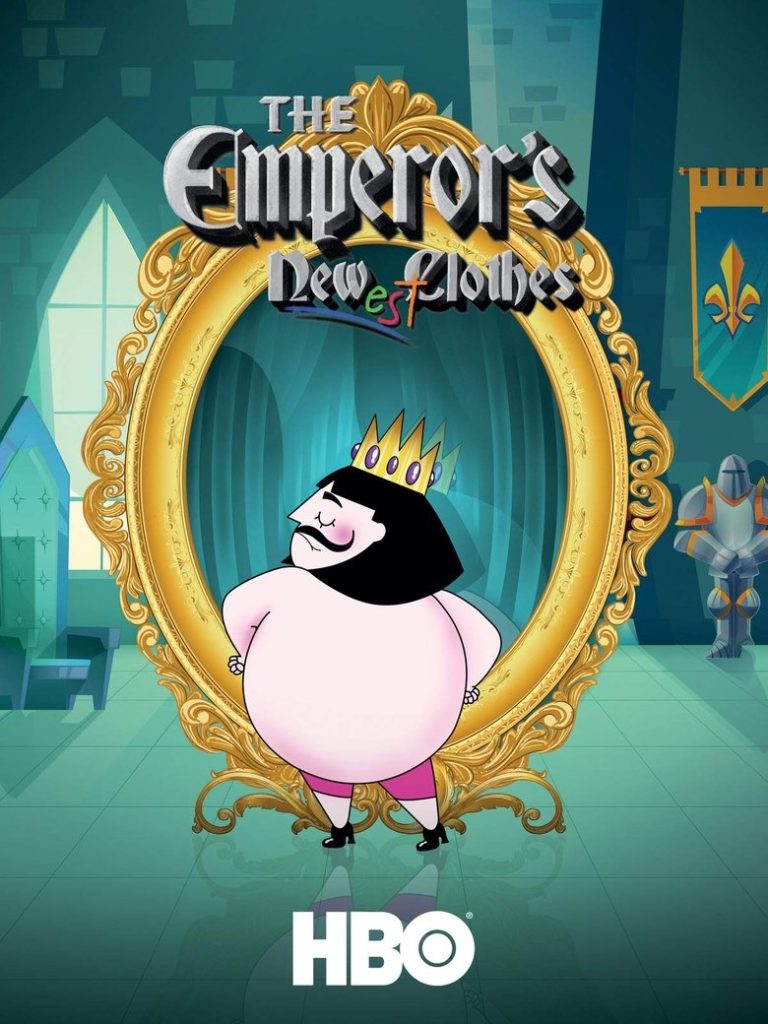
This animated musical special offers a fresh, colorful adaptation of Hans Christian Andersen's classic fable about an emperor's vanity. Through vibrant animation and catchy songs, it tells the story of a ruler whose pride makes him vulnerable to deception by two fraudulent tailors. The production maintains the whimsical spirit of the original while delivering gentle lessons about honesty, humility, and self-awareness in an entertaining format suitable for family viewing.
Parent Guide
A gentle, musical adaptation of a classic fable with positive messages about honesty and humility, appropriate for most children.
Content breakdown
No violence, fighting, or physical peril occurs in this musical adaptation.
The emperor's embarrassment when realizing he's been tricked might be momentarily uncomfortable for very sensitive viewers, but it's handled with humor and leads to positive growth.
No offensive language or inappropriate dialogue.
The story involves the emperor being tricked into thinking he's wearing invisible clothes, but this is presented in a cartoonish, non-sexual manner appropriate for the TV-G rating.
No depiction of alcohol, drugs, or tobacco use.
Mild embarrassment and realization scenes, but overall maintains a light, musical tone throughout.
Parent tips
This TV-G rated special is generally appropriate for most children, featuring no concerning content. The animation is bright and cheerful, with musical numbers that keep the tone light throughout. The story's themes about vanity and deception are presented in a gentle, age-appropriate way that young viewers can understand without being frightened.
Parents of sensitive children might want to note that the emperor's embarrassment when he realizes he's been tricked could be momentarily uncomfortable for some viewers, though it's handled with humor and leads to positive character growth. The 26-minute runtime makes this an ideal choice for shorter viewing sessions or as part of a bedtime routine.
The musical format and colorful animation will likely appeal to children who enjoy sing-along entertainment, while the classic story provides opportunities to discuss important values like honesty and the dangers of excessive pride.
Parent chat guide
After watching, discuss what lessons the emperor learned and why honesty is important. You could also talk about how the tailors tricked the emperor and what clues might have revealed their deception earlier. Consider asking your child if they've ever seen someone act vain or proud and how that affected others.
For younger children, focus on the basic moral about telling the truth and not being fooled by appearances. Older children might enjoy discussing how the story's themes apply to modern situations like social media or peer pressure.
Parent follow-up questions
- What was your favorite song in the movie?
- How did the emperor feel when he realized he had no clothes?
- Why were the tailors being tricky?
- What color was your favorite part of the animation?
- What does it mean to be honest?
- Why do you think the emperor believed the tailors at first?
- What lesson did the emperor learn by the end?
- How did the music help tell the story?
- Have you ever seen someone act too proud or vain?
- What would you have done if you saw the emperor with no clothes?
- How does this version compare to other adaptations of the story you've seen?
- What does this story teach us about the dangers of vanity?
- Why do you think people sometimes believe things that aren't true?
- How might this story apply to situations like social media or advertising?
- What techniques did the animators use to make the story engaging?
- How does this adaptation update a classic story for modern audiences?
- What commentary does this story offer about power and deception?
- How do the musical elements enhance or change the story's message?
- In what ways do people today fall for 'emperor's new clothes' type deceptions?
- What makes this fable continue to be relevant centuries after it was written?
🎭 Story Kernel
The film explores how truth becomes a commodity in an age of spectacle, where the emperor's nudity isn't about deception but about our collective willingness to participate in the charade. The protagonist's journey reveals that exposing the lie is less dangerous than challenging the system that profits from it. What drives the characters isn't greed or power, but the desperate need to maintain their place in a social contract where everyone knows the rules but pretends otherwise. The real conflict emerges when one person stops playing along, threatening the delicate balance of complicity that holds their society together.
🎬 Visual Aesthetics
The film employs a washed-out color palette dominated by grays and muted golds, creating a world that feels both opulent and hollow. Long, static shots of empty corridors and crowded halls emphasize the isolation within community. The camera often lingers on reflections—in mirrors, polished floors, and characters' eyes—suggesting everyone sees the truth but chooses different reflections. The emperor's 'clothes' are rendered through subtle light effects that make viewers question their own perception, mirroring the townspeople's dilemma. The visual language consistently prioritizes spaces between people over the people themselves.
🔍 Details & Easter Eggs
💡 Behind the Scenes
The production used actual historical textiles from museum collections as visual references for the 'invisible' garments. Lead actor Michael Fassbender developed the emperor's physicality by studying portraits of isolated monarchs. Filming occurred in Prague's Baroque libraries, where the crew removed all modern elements to create a timeless setting. Director Terry Gilliam intentionally cast actors who had previously played authority figures in other films to enhance the theme of institutional credibility.
Where to watch
Choose region:
- HBO Max
- Amazon Video
- Google Play Movies
- YouTube
- Fandango At Home
- Apple TV