
The Exorcist (1973)
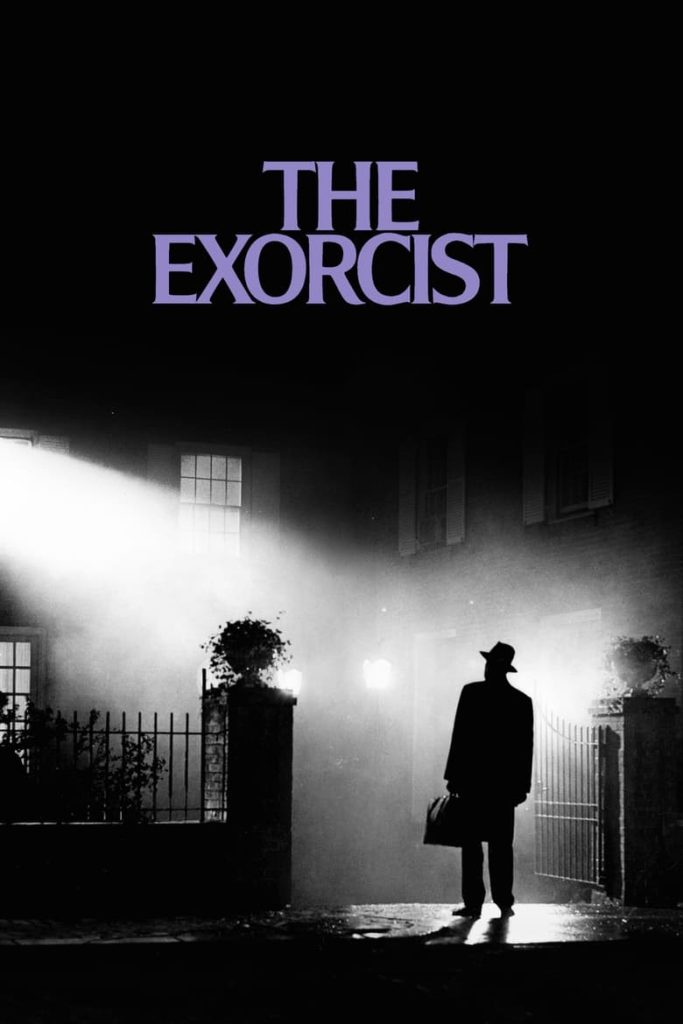
Story overview
The Exorcist is a classic horror film about a young girl who becomes possessed by a malevolent supernatural force. Her desperate mother turns to two Catholic priests for help in a battle between faith and evil. The story explores themes of belief, fear, and the struggle against dark forces beyond human understanding.
Parent Guide
Extremely intense horror film with mature themes and disturbing content. Not suitable for children or most teenagers.
Content breakdown
Contains scenes of supernatural violence and peril, though not graphic physical violence.
Extremely frightening and disturbing content throughout, including supernatural horror and psychological terror.
Some strong language and blasphemous dialogue related to possession themes.
Brief suggestive content and themes related to possession.
Brief depiction of alcohol use by adults.
Sustained high emotional intensity and psychological distress throughout the film.
Parent tips
This film is widely considered one of the most intense and frightening horror movies ever made. It contains disturbing imagery, strong supernatural themes, and scenes that may cause significant emotional distress. The R rating reflects mature content that is inappropriate for children and many teenagers.
Parents should be aware that the film deals explicitly with demonic possession and religious themes that may conflict with some families' beliefs. The frightening content is sustained throughout the film rather than appearing in isolated moments.
Parent chat guide
After viewing, ask open-ended questions about what disturbed them most and what questions the film raised. Focus discussions on separating fiction from reality and managing any lingering fears. If watching with mature teens, you might discuss how the film uses religious themes and psychological tension.
Parent follow-up questions
- What makes you feel safe when you're scared?
- What do you do when you have a bad dream?
- Who can help us when we feel afraid?
- What are some happy things we can think about?
- What was the scariest part for you?
- How do you know the difference between real and pretend scary things?
- Who are the people who help others in the movie?
- What makes a story too scary for you to watch?
- What do you think about the religious themes in the film?
- How does the movie create fear without showing everything?
- Why do you think people watch scary movies?
- What would you do if you felt really frightened by a movie?
- How does the film explore the concept of evil?
- What techniques does the director use to build tension and fear?
- How do the religious elements contribute to the story?
- What makes this film still effective decades after its release?
- How do you process disturbing content in media?
🎭 Story Kernel
At its core, The Exorcist is less about demonic possession and more about the terrifying erosion of parental authority and the helplessness of modern institutions. Chris MacNeil's desperate journey represents every parent's nightmare: watching their child transform into something unrecognizable while science, medicine, and psychiatry fail completely. The film explores faith not as a comforting certainty but as a last resort when all rational solutions collapse. Father Karras's crisis mirrors this—his intellectual faith shatters when confronted with raw, undeniable evil that defies psychological explanation. The real battle isn't between good and evil, but between control and chaos in the modern family.
🎬 Visual Aesthetics
Friedkin's visual language is deceptively clinical—the early Georgetown scenes use naturalistic lighting and steady camerawork that gradually give way to disorienting Dutch angles and harsh contrasts. The possessed Regan's bedroom becomes a character itself, transitioning from warm childhood sanctuary to cold, clinical battleground. The infamous head-spin and projectile vomiting work because they're framed with documentary-like restraint—the camera doesn't flinch. The color palette drains of warmth as the possession progresses, ending in the stark whites and blacks of the final exorcism sequence. Visual symbolism is subtle but potent: the stairwell represents both spiritual descent and the MacNeils' crumbling domestic stability.
🔍 Details & Easter Eggs
💡 Behind the Scenes
The infamous 'spider-walk' scene was cut from original theatrical releases because the mechanical rig caused Linda Blair back injury and the effect looked unconvincing to Friedkin. The pea soup vomit was actually Campbell's soup mixed with oatmeal, and the cold breath effects were achieved by chilling the set to freezing temperatures—actors' discomfort is genuine. Ellen Burstyn suffered permanent back injury from the violent shaking during her harness scenes, and the screams heard are her real pain responses. The Georgetown house exterior remains a tourist attraction, though interior scenes were shot on soundstages.
Where to watch
Choose region:
- Amazon Video
- Apple TV
- Google Play Movies
- YouTube
- Fandango At Home
- Plex
Trailer
Trailer playback is unavailable in your region.