
The Fastest Woman on Earth (2022)
Story overview
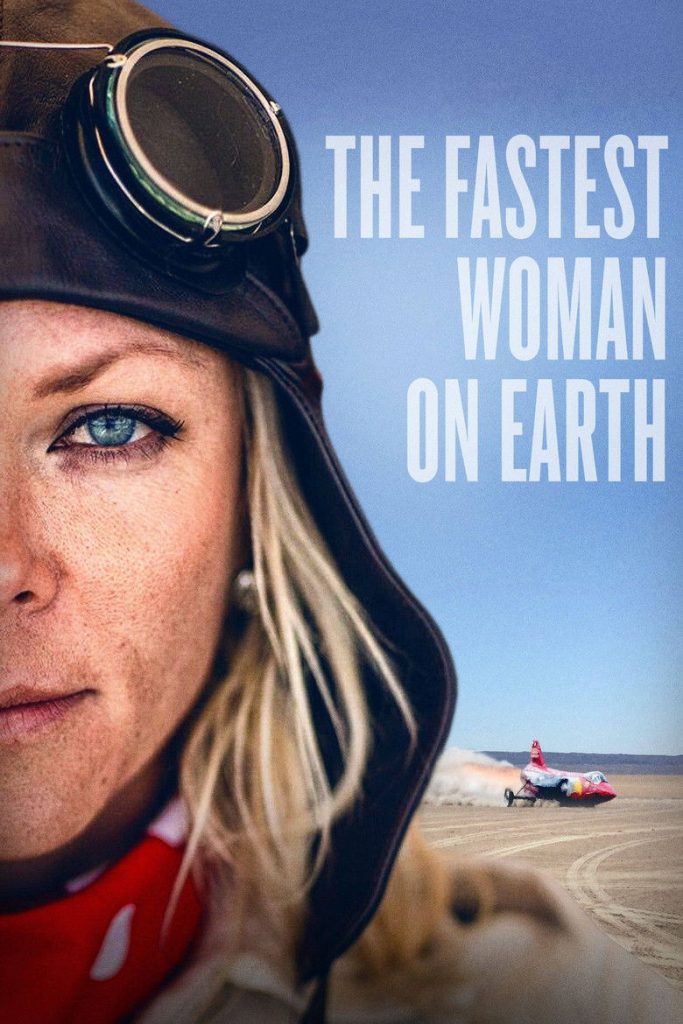
This documentary follows the inspiring yet tragic journey of professional racer and TV personality Jessi Combs as she pursues her dream of becoming the fastest woman on Earth. The film captures her determination, passion, and the ultimate sacrifice she made in her quest for speed, blending moments of triumph with heartbreaking reality.
Parent Guide
A documentary about determination and sacrifice in extreme sports, suitable for older children with parental guidance due to emotional themes.
Content breakdown
High-speed racing scenes with inherent danger, but no graphic violence. The documentary addresses a fatal accident indirectly through aftermath footage and discussions.
The film deals with death and tragedy, which may be disturbing to sensitive viewers. Racing scenes are intense but not horror-oriented.
No offensive language noted in documentary context.
No sexual content or nudity.
No depiction of substance use.
Strong emotional themes of inspiration, passion, and loss. The documentary builds toward a tragic conclusion that may be emotionally affecting.
Parent tips
This documentary deals with the death of its subject, which may be emotionally challenging for younger viewers. Parents should be prepared to discuss themes of risk, passion, and loss. The film shows high-speed racing scenes that could be intense but not graphic. No explicit content is present.
Parent chat guide
Parent follow-up questions
- What was Jessi trying to do?
- What do you think about going really fast?
- How did the movie make you feel?
- Why was breaking the speed record important to Jessi?
- What risks did she take?
- How do you think her family felt about her racing?
- What does this documentary teach us about pursuing dreams?
- How did Jessi balance passion with safety?
- What does her legacy mean to you?
- Discuss the ethical implications of extreme risk-taking in pursuit of goals.
- How does the film handle the theme of mortality?
- What societal messages about gender and speed sports does this documentary convey?
🎭 Story Kernel
The film is less about breaking land speed records and more about the psychological drag of expectation. The protagonist isn't just fighting physics and a male-dominated field; she's wrestling with the ghost of her father, a former racer whose legacy is both her inspiration and her cage. Her drive isn't purely for glory, but to outrun the internalized narrative that she's merely continuing his story. The climax isn't the successful run, but the quiet moment afterward where she finally sees her own reflection in the trophy, not his.
🎬 Visual Aesthetics
The cinematography masterfully uses contrast. The vast, bleached-white expanse of the salt flats creates a sterile, almost alien testing ground, emphasizing her isolation. This is juxtaposed with tight, shaky close-ups inside the cockpit, making the audience feel the visceral vibration and claustrophobia. The color palette shifts: flashbacks are bathed in warm, nostalgic amber, while the present-day racing sequences use harsh, metallic blues and grays, visually separating memory from the cold reality of her mission.
🔍 Details & Easter Eggs
💡 Behind the Scenes
The lead actress performed most of the driving sequences herself after an intensive six-month training course with professional stunt drivers. The salt flat scenes were filmed on location at the Bonneville Salt Flats in Utah, but production was constantly delayed by unexpected rain, which dissolves the hard salt crust. The vintage race cars were real, restored vehicles, not CGI, with the sound design team recording actual engine sounds from museum-piece engines to achieve authenticity.
Where to watch
Choose region:
- HBO Max
- HBO Max Amazon Channel
- HBO Max Amazon Channel
Trailer
Trailer playback is unavailable in your region.