
The First Monday in May (2016)
Story overview
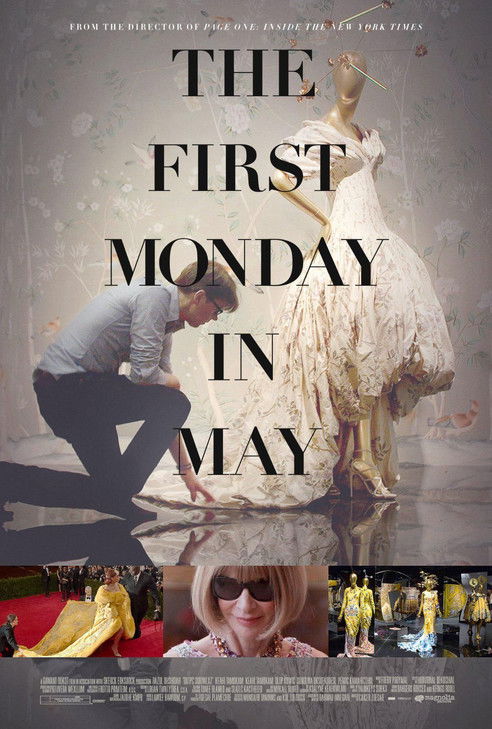
This documentary offers a behind-the-scenes look at the creation of The Metropolitan Museum of Art's groundbreaking fashion exhibition 'China: Through The Looking Glass.' It follows curator Andrew Bolton and his team as they navigate artistic vision, cultural sensitivity, and logistical challenges to showcase Chinese-inspired Western fashion. The film features insights from fashion icons like Anna Wintour, Karl Lagerfeld, and Rihanna, as well as filmmaker Wong Kar-Wai, highlighting the intersection of art, culture, and high fashion.
Parent Guide
A family-friendly documentary about art and fashion with no concerning content. Suitable for children interested in creativity, culture, or museums.
Content breakdown
No violence or peril depicted.
Nothing scary or disturbing; focuses on artistic creation and fashion.
No offensive language.
No sexual content or nudity; features fashion models in stylish clothing.
No depiction of substance use.
Mild tension around meeting deadlines and artistic challenges, but overall positive and inspiring.
Parent tips
This documentary is suitable for most families with children aged 8 and up. It focuses on art, fashion, and cultural appreciation without mature content. Younger viewers might find some discussions about cultural appropriation or artistic challenges mildly complex, but the visual spectacle of fashion and museum exhibits will likely engage them. The film promotes creativity, cultural understanding, and the value of artistic collaboration.
Parent chat guide
Parent follow-up questions
- What was your favorite outfit in the movie?
- Did you like seeing the big dresses and costumes?
- What colors did you see in the fashion show?
- Why do you think fashion can tell stories about culture?
- How did the people in the movie work together to make the exhibition?
- What part of making the exhibition seemed hardest to you?
- What does 'cultural appropriation' mean, and how did the exhibition try to avoid it?
- How does fashion connect art and history?
- What role do museums play in teaching us about other cultures?
- How does the film address the balance between artistic inspiration and cultural respect?
- What did you think about the discussions on Western interpretations of Chinese aesthetics?
- How does this documentary change your view of fashion as an art form?
🎭 Story Kernel
The film's true subject isn't the 2015 Met Gala or 'China: Through the Looking Glass' exhibition, but the collision between high art and pop culture, curated by two opposing forces: Anna Wintour's Vogue empire and Andrew Bolton's Metropolitan Museum. Wintour represents commercial viability and celebrity spectacle, while Bolton champions academic rigor and cultural authenticity. Their tension drives the narrative—whether fashion belongs in a museum or if museums should cater to fashion's glittering surface. The climax isn't the gala's success, but Bolton's quiet victory when his vision survives Wintour's edits, suggesting that meaningful cultural dialogue can emerge from compromise, not conquest.
🎬 Visual Aesthetics
The documentary employs a fly-on-the-wall aesthetic with crisp, polished cinematography that mirrors the Met's pristine galleries. Camera movements are deliberate—slow pans across intricate garments contrast with rapid cuts during gala preparations, mirroring the tension between art's timelessness and fashion's immediacy. The color palette shifts from the sterile whites of museum backrooms to the saturated reds and golds of Chinese-inspired designs, visually bridging East and West. Symbolism emerges in shots of mannequins being dressed, representing how culture is often 'fitted' to Western expectations. The film's visual rhythm mimics a fashion show itself—calculated, dramatic, and meticulously staged.
🔍 Details & Easter Eggs
💡 Behind the Scenes
Director Andrew Rossi gained unprecedented access to the Met's Costume Institute, filming over eight months. The documentary's title refers to the Met Gala's traditional date. Real-life tensions arose: Chinese consultants debated historical accuracy, while designers like Karl Lagerfeld made unscripted critiques. Scenes at the gala used hidden cameras to capture candid moments, like Rihanna's iconic yellow gown arrival. Notably, the film avoids mentioning controversies around cultural appropriation that later surfaced in media reviews, focusing instead on the creative process.
Where to watch
Choose region:
- HBO Max
- Amazon Video
- Apple TV Store
- Google Play Movies
- YouTube
- Fandango At Home
- FlixFling
Trailer
Trailer playback is unavailable in your region.