
The Forever Prisoner (2021)
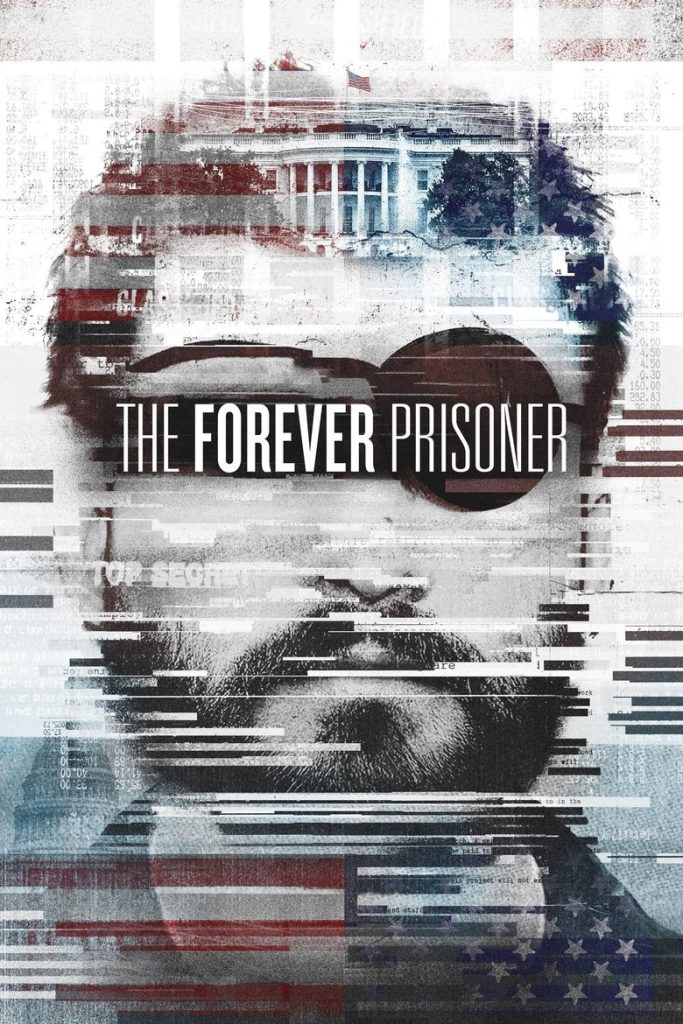
Story overview
The Forever Prisoner is a 2021 documentary that examines controversial interrogation practices and legal cases related to national security. It focuses on real-world events and legal proceedings, presenting factual information through interviews and archival footage. The film explores complex ethical and legal questions surrounding detention and interrogation methods.
Parent Guide
A documentary examining complex legal and ethical issues related to interrogation practices. Contains mature themes suitable for older teens with parental guidance.
Content breakdown
Discussions of interrogation methods and legal cases that may involve descriptions of violence, though not graphically depicted.
Themes of confinement, legal controversies, and ethical dilemmas may be disturbing to sensitive viewers.
May include legal terminology and discussions of controversial topics without strong profanity.
No sexual content or nudity expected in this documentary format.
No substance use depicted or discussed.
Deals with serious ethical questions and legal controversies that may provoke strong emotional responses.
Parent tips
This documentary deals with mature themes including legal controversies, interrogation practices, and ethical dilemmas. It may include discussions of violence or distressing situations, though presented in a factual documentary style. Parents should preview the content to determine appropriateness for their children based on individual sensitivity levels.
Parent chat guide
Parent follow-up questions
- What did you notice about how people talked in the movie?
- What colors or pictures did you see most?
- How did the music make you feel?
- What was the main topic this documentary was about?
- How do documentaries show real events differently than cartoons?
- What questions do you have about how people make fair rules?
- What ethical questions did this documentary raise?
- How do documentaries use interviews to tell stories?
- What did you learn about how countries handle difficult situations?
- What perspectives on justice and security did this documentary present?
- How does this film contribute to public understanding of legal controversies?
- What responsibilities do filmmakers have when documenting sensitive real-world events?
🎭 Story Kernel
The film is not merely a chronicle of the CIA's 'enhanced interrogation' program post-9/11, but a forensic examination of institutionalized moral evasion. It expresses how a nation's fear can be weaponized to construct a parallel legal and ethical universe. The driving force for figures like psychologist James Mitchell isn't cartoonish villainy, but a chilling, bureaucratic conviction—the belief that unspeakable acts are a necessary, clinical duty. The core tragedy lies in how the system dehumanizes both the prisoner, Abu Zubaydah, and his captors, trapping all in a cycle of justification where the original goal of preventing terror becomes secondary to defending the methods themselves.
🎬 Visual Aesthetics
The visual language is deliberately claustrophobic and archival, mirroring the subject's isolation. It employs a stark, desaturated palette, draining color much like the program drained humanity. Interrogation re-enactments are shot in tight, oppressive close-ups and gloomy, concrete rooms, refusing spectacle and emphasizing visceral discomfort. The cutting between talking-head interviews, redacted documents, and grim B-roll footage creates a mosaic of evidence, making the viewer an investigator sifting through a cold case. Symbolically, the recurring imagery of endless corridors and closed doors visualizes the bureaucratic labyrinth that enabled and then concealed the program.
🔍 Details & Easter Eggs
💡 Behind the Scenes
The documentary is directed by Alex Gibney, known for his penetrating investigative films like 'Taxi to the Dark Side.' Much of the narrative hinges on the 6,000-page Senate Intelligence Committee report, with the film visually animating its redactions. Key interviews include former FBI agent Ali Soufan, who vehemently opposed the CIA's methods, and psychologists James Mitchell and Bruce Jessen, the architects of the interrogation program. The production faced significant challenges in visually representing events that occurred in secret prisons, relying on a combination of archival news footage, graphic illustrations of legal memos, and carefully staged, non-sensational re-enactments.
Where to watch
Choose region:
- HBO Max
- HBO Max Amazon Channel
Trailer
Trailer playback is unavailable in your region.