
The Fortress (2017)
Story overview
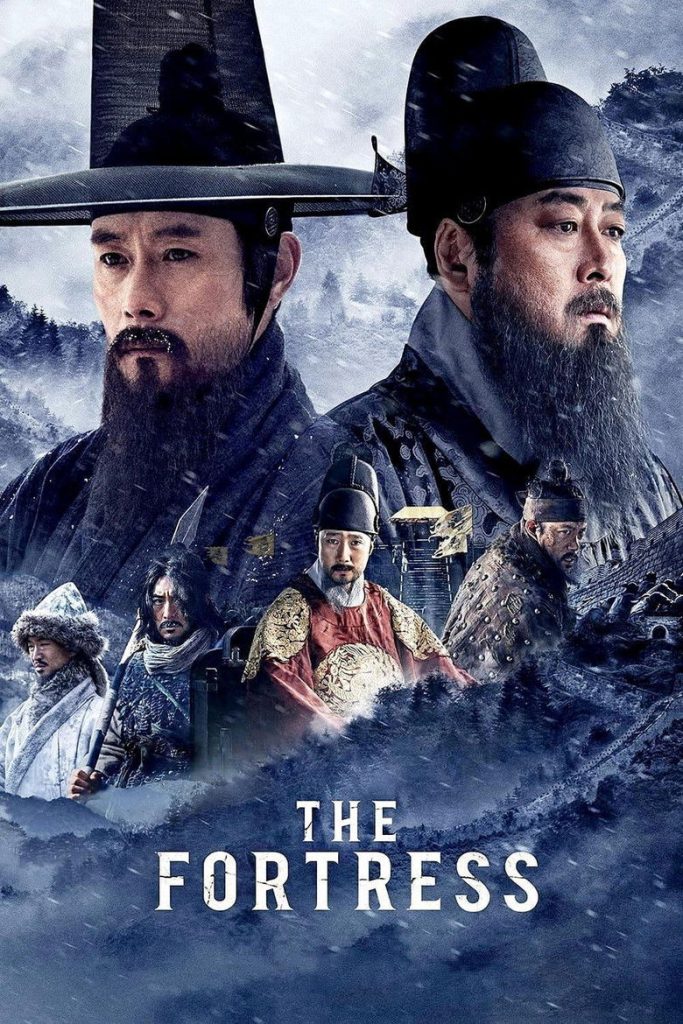
The Fortress is a 2017 South Korean historical war drama set in 17th-century Korea during the Qing invasion of Joseon. When the Qing dynasty demands submission from King In-jo, who remains loyal to the Ming dynasty, the king and his court retreat to the mountain fortress of Namhan to defend their kingdom against the invading forces. The film depicts the intense siege, political conflicts, and human struggles during this historical event.
Parent Guide
A historically-based war drama with intense battle sequences and mature themes of political conflict, loyalty, and survival during siege warfare. Best suited for teenagers who can process the violence and complex moral dilemmas.
Content breakdown
Frequent and intense war violence including large-scale battle scenes, sword fights, hand-to-hand combat, arrows, and siege warfare. Blood and injuries shown, though not excessively graphic. Characters are killed in combat. Psychological tension of the siege creates constant peril.
The siege situation creates sustained tension and anxiety. Characters face starvation, betrayal, and difficult moral choices. Deaths of sympathetic characters may be emotionally affecting. The historical context of invasion and subjugation could be disturbing for sensitive viewers.
No strong profanity in the English subtitles. Some heated political arguments and military commands. The original Korean dialogue may contain period-appropriate expressions of anger or frustration.
No sexual content or nudity. The film focuses entirely on the historical conflict and siege situation.
No depiction of substance use. Historical drinking in court scenes is minimal and not emphasized.
High emotional intensity throughout due to the life-or-death siege situation. Characters face impossible choices between loyalty, survival, and morality. Themes of sacrifice, betrayal, and national identity create complex emotional responses. The film maintains constant tension and dramatic weight.
Parent tips
This film contains intense war violence including battle scenes, sword fights, and depictions of siege warfare with blood and injuries. Historical themes of loyalty, sacrifice, and political conflict may require explanation for younger viewers. The emotional intensity of the siege situation and character deaths could be disturbing for sensitive children. Consider watching with older children to discuss the historical context and moral dilemmas presented.
Parent chat guide
Parent follow-up questions
—
- What did you think about the castle in the mountains?
- Which character did you like best and why?
- How do you think people felt living in the fortress?
- Why do you think the king refused to bow to the Qing leader?
- What were the different opinions among the characters about what to do?
- How did the siege affect ordinary people in the fortress?
- What historical facts would you like to learn more about after watching?
- How does the film portray the conflict between practical survival and ideological loyalty?
- What commentary does the film make about leadership during crisis?
- How accurate do you think the historical portrayal is, and what artistic liberties might have been taken?
- How do the film's themes relate to modern geopolitical conflicts?
🎭 Story Kernel
The movie is fundamentally about the erosion of idealism under extreme pressure. It's not just a historical battle between Qing forces and Joseon loyalists; it's a psychological dissection of how principles crumble when faced with starvation and hopelessness. The characters are driven not by grand patriotism, but by increasingly desperate, personal calculations of survival. King Injo's transformation from a defiant monarch to a broken man willing to surrender his dignity reveals the film's core question: what remains of a person when all noble causes have been stripped away by hunger and fear? The ministers' debates become less about strategy and more about justifying their own shifting moral compromises.
🎬 Visual Aesthetics
The cinematography employs a stark, desaturated palette of grays and browns, visually mirroring the depletion of resources and hope within the fortress. Wide shots emphasize the isolation and vulnerability of the mountain stronghold, while tight close-ups on actors' faces during council scenes capture the claustrophobia of political paralysis. The battle sequences are shot with chaotic, handheld urgency, avoiding glorification in favor of depicting violence as exhausting, muddy, and brutal. The recurring visual motif of empty bowls and meager rations powerfully symbolizes the siege's central conflict more than any sword clash could.
🔍 Details & Easter Eggs
💡 Behind the Scenes
The film is based on the 2007 novel 'Namhansanseong' by Kim Hoon. Actor Lee Byung-hun, who portrays King Injo, reportedly lost a significant amount of weight to authentically depict the physical toll of starvation during the siege. Much of the filming took place at actual historical locations and reconstructed sets in South Korea, with the production meticulously researching Joseon-era military tactics and court protocols to enhance authenticity. Director Hwang Dong-hyuk is known for intense, character-driven dramas, and this project continued his focus on human psychology under systemic pressure.
Where to watch
Choose region:
- Netflix
- Netflix Standard with Ads
- Amazon Video
- Google Play Movies
- YouTube
Trailer
Trailer playback is unavailable in your region.