
The Game (1997)
Story overview
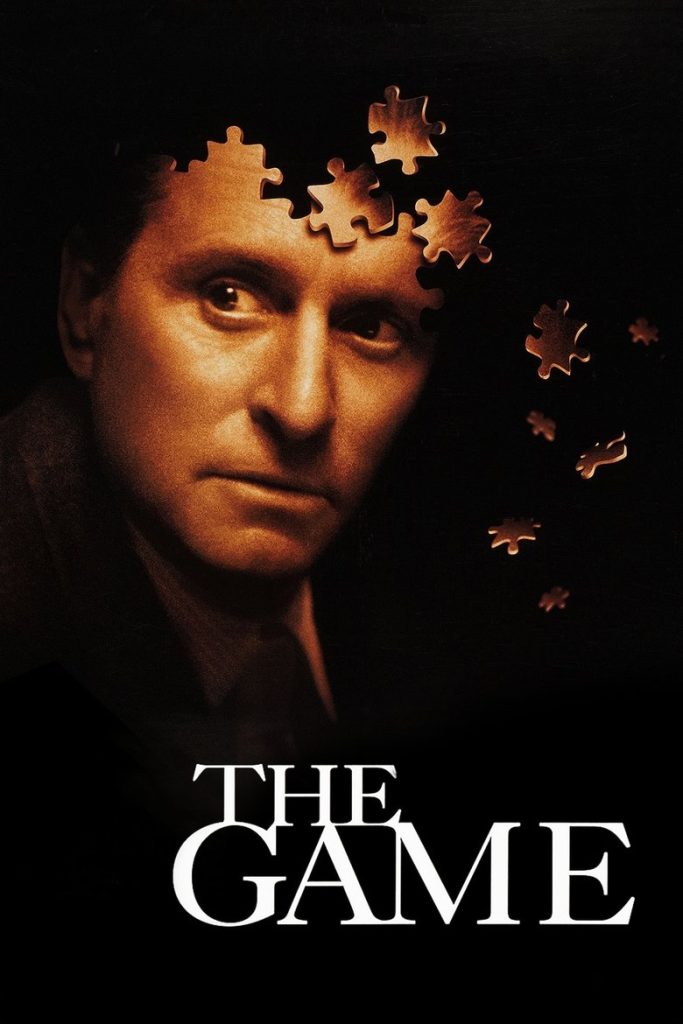
The Game is a psychological thriller about a wealthy investment banker who receives an unusual birthday gift from his brother: participation in a mysterious game that promises to change his life. As he becomes immersed in this experience, he finds reality and illusion increasingly difficult to distinguish, leading to a series of unsettling events. The film explores themes of control, trust, and the nature of reality through its tense narrative.
Parent Guide
A psychological thriller with mature themes and intense situations, best suited for older teens and adults.
Content breakdown
Contains scenes of peril, psychological manipulation, and situations where characters appear to be in danger, though without graphic violence.
Creates psychological tension and a sense of paranoia throughout; some scenes may be unsettling due to the manipulation of reality.
May contain occasional strong language consistent with the R rating.
Limited sexual content, if any; primarily focuses on psychological elements rather than physical intimacy.
May include social drinking or brief references to substance use in adult settings.
High psychological tension and emotional manipulation throughout; characters experience significant stress and uncertainty.
Parent tips
This R-rated thriller contains psychological tension and mature themes that may be too intense for younger viewers. The film's central premise involves a character's life being manipulated by unknown forces, which could be disturbing for sensitive viewers. Parents should be aware that the movie creates a pervasive sense of unease and uncertainty throughout its runtime.
Parent chat guide
Parent follow-up questions
- What was your favorite part of the movie?
- Did any parts make you feel scared or worried?
- What do you think a 'game' means in this story?
- How did the main character feel when strange things happened?
- What would you do if someone played a trick on you?
- Why do you think the character agreed to play the game?
- How did the movie make you feel about trusting people?
- What clues did you notice about what was real and what wasn't?
- How would you react if your life suddenly became unpredictable?
- What does this movie teach us about being careful?
- What themes about control and manipulation did you notice in the film?
- How does the movie use suspense to keep viewers engaged?
- What ethical questions does the game raise about privacy and consent?
- How does the main character's wealth and isolation make him vulnerable?
- What would you do differently if you were in his situation?
- How does the film comment on modern anxieties about surveillance and control?
- What philosophical questions does the movie raise about reality and perception?
- How does the narrative structure enhance the psychological tension?
- What social commentary might be embedded in the protagonist's character arc?
- How does the film use genre conventions to explore deeper themes?
🎭 Story Kernel
At its core, 'The Game' explores the deconstruction of control and the illusion of security in modern life. Nicholas Van Orton, a wealthy investment banker, is driven by a cold, calculated existence until his brother gifts him a mysterious game from CRS. This game systematically strips away his financial, social, and psychological certainties, forcing him to confront his repressed trauma—his father's suicide. The narrative critiques how privilege can create emotional numbness, using the game as a brutal therapy to reconnect Nicholas with vulnerability and human connection, ultimately questioning whether the ends justify the terrifying means.
🎬 Visual Aesthetics
The film employs a muted, desaturated color palette dominated by grays and blues, mirroring Nicholas's sterile, controlled world. Cinematography often uses tight, claustrophobic frames and unsettling Dutch angles during chaotic sequences, visually disorienting the audience alongside the protagonist. Symbolism is key: recurring water imagery (pools, rain) represents emotional release and rebirth, while the sleek, impersonal architecture of Nicholas's mansion contrasts sharply with the gritty, unpredictable urban environments he's thrust into, emphasizing his loss of control.
🔍 Details & Easter Eggs
💡 Behind the Scenes
Director David Fincher insisted on practical effects for realism, including filming Michael Douglas's fall into the net without a stunt double in some shots, heightening the scene's visceral impact. The iconic mansion used for Nicholas's home is the Filoli Estate in Woodside, California, also featured in 'Heaven Can Wait.' Sean Penn, who plays Conrad, reportedly ad-libbed much of his dialogue to enhance his character's erratic energy, adding to the film's unpredictable tone.
Where to watch
Choose region:
- Peacock Premium
- Peacock Premium Plus
- Amazon Video
- Apple TV
- Google Play Movies
- YouTube
- Fandango At Home
Trailer
Trailer playback is unavailable in your region.