
The Gathering Storm (2002)
Story overview
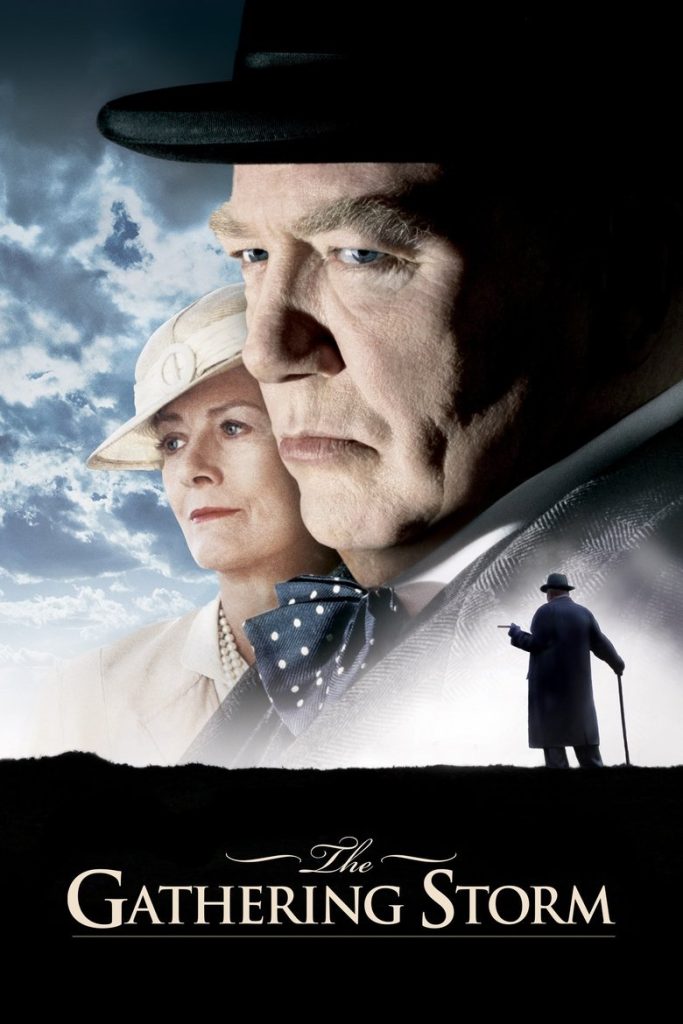
The Gathering Storm is a 2002 British historical drama that provides an intimate portrayal of Winston and Clementine Churchill's marriage during a challenging period in their lives. Set against the backdrop of political tension in the 1930s, the film focuses on their personal struggles, relationship dynamics, and Churchill's political isolation as he warns about the growing threat of Nazi Germany. It's a character-driven story that explores themes of love, perseverance, political conviction, and marital support during difficult times.
Parent Guide
A historical drama focusing on relationship dynamics and political tension with minimal concerning content but significant emotional depth. Suitable for mature viewers who can appreciate nuanced character studies.
Content breakdown
No physical violence shown. Some tense political discussions and references to the growing threat of war in Europe. Churchill's warnings about Germany create a sense of impending danger, but no actual violence occurs on screen.
Themes of political tension and marital strain may be emotionally heavy for younger viewers. Some scenes show Churchill's depression and frustration. Discussions of war and political threats create an ominous atmosphere but without graphic or frightening visuals.
Period-appropriate British dialogue with occasional mild exclamations. No strong profanity or offensive language. The language reflects the formal speech patterns of the era and social class depicted.
No sexual content or nudity. The film focuses on emotional intimacy within marriage rather than physical relationships. Some affectionate moments between Winston and Clementine, but nothing explicit.
Historical depiction of social drinking (wine, brandy) in upper-class settings consistent with the time period. Churchill is shown drinking occasionally, reflecting his known habits, but not excessively or irresponsibly.
Significant emotional depth in portraying marital strain, political isolation, and personal struggles. Churchill's depression and frustration are depicted realistically. The weight of historical events and personal relationships creates sustained emotional engagement that may be intense for younger viewers.
Parent tips
This film is best suited for mature children and teenagers who can appreciate historical context and complex relationship dynamics. The TV-MA rating reflects adult themes and emotional intensity rather than graphic content. Parents should be prepared to discuss historical events, political leadership, marital relationships, and how couples support each other through difficult periods. The film's slow pace and dialogue-heavy nature may not engage younger viewers.
Parent chat guide
Parent follow-up questions
—
- Who was Winston Churchill?
- What was special about his marriage?
- Why were they worried about Germany?
- What historical period does this film cover?
- How did Churchill's political views affect his marriage?
- What challenges did the Churchills face as a couple?
- Why was Churchill warning about Germany when others weren't listening?
- How does the film portray the balance between public duty and private life?
- What does this film reveal about marital dynamics under pressure?
- How accurate is this portrayal of historical events and figures?
- What contemporary parallels can you draw from Churchill's political warnings?
- How does the film handle themes of isolation and conviction?
🎭 Story Kernel
The film is less about Churchill's political rise and more about the psychological cost of being Cassandra—the one who sees catastrophe coming while others dismiss the warnings. It explores how personal demons (his 'black dog' depression) and professional isolation forged the stubborn resolve needed to confront Hitler. The real conflict isn't Churchill versus Chamberlain, but Churchill versus his own irrelevance, fighting to be heard as Europe sleepwalks toward disaster. His marriage to Clementine becomes the emotional anchor that prevents his brilliance from capsizing into self-destruction.
🎬 Visual Aesthetics
Director Richard Loncraine uses a muted, desaturated palette of grays and browns that visually echo the grim political landscape and Churchill's depressive states. Interior scenes in Chartwell are often shot through doorways or from behind objects, creating a sense of surveillance and isolation. The camera lingers on Churchill's face during radio broadcasts, emphasizing the weight of his words over dramatic action. Recurring shots of gathering storm clouds serve as both literal weather and obvious but effective metaphor for the approaching war.
🔍 Details & Easter Eggs
💡 Behind the Scenes
Albert Finney prepared for the role by studying Churchill's speech patterns from archival recordings and gaining weight to match Churchill's physique. The Chartwell scenes were filmed at the actual Churchill family home, now owned by the National Trust. Finney and Vanessa Redgrave (playing Clementine) had previously worked together in theater but never on screen before this project. The film was originally produced for HBO but received a theatrical release in the UK due to strong critical response.
Where to watch
Choose region:
- HBO Max
- HBO Max Amazon Channel
- History Vault
- Amazon Video
- Apple TV Store
- Google Play Movies
- YouTube
Trailer
Trailer playback is unavailable in your region.