
The Girl Who Leapt Through Time (2006)
Story overview
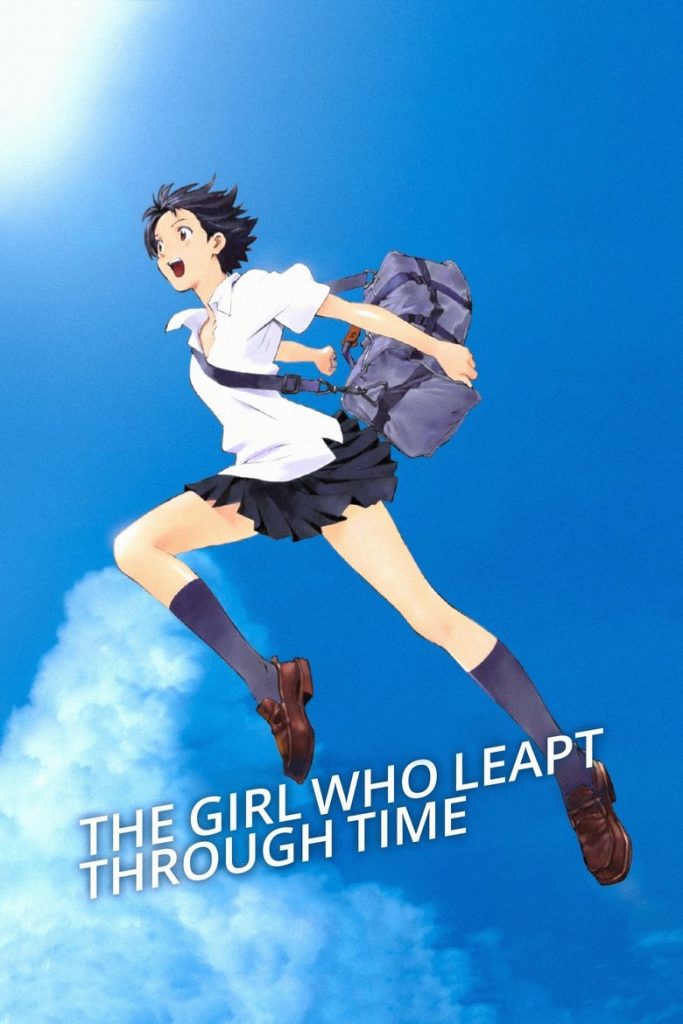
This Japanese animated film follows a high school girl who unexpectedly gains the ability to travel back in time. She initially uses this power for minor personal advantages but soon discovers that altering past events has unintended consequences. The story explores themes of responsibility, friendship, and the importance of living with one's choices as she learns that changing time affects more than just her own life.
Parent Guide
A thoughtful animated film about time travel and personal responsibility with minimal concerning content.
Content breakdown
Brief scenes of minor accidents (bicycle crashes, falls) with no injuries shown. Some tense moments when characters are in mild danger.
Mild emotional intensity when characters face consequences of changed timelines. Some scenes show characters disappearing or timelines altering, which might be confusing or slightly unsettling for very young viewers.
No strong language or profanity in the English version.
No sexual content, nudity, or romantic situations beyond innocent crushes.
No depiction of alcohol, drugs, or tobacco use.
Themes of friendship, loss, and responsibility create emotional moments. Characters experience regret and learn difficult lessons about consequences, which might be poignant for sensitive viewers.
Parent tips
This gentle fantasy film is appropriate for most children ages 8 and up, though younger viewers might need some explanation of the time travel concepts. The TV-PG rating reflects mild thematic elements and brief emotional moments when characters face consequences of their actions. The animation style is colorful and appealing, with no graphic violence, strong language, or sexual content. Parents should be aware that the film deals with themes of mortality and the irreversible nature of some decisions, which might prompt thoughtful questions from sensitive viewers.
Parent chat guide
Parent follow-up questions
- What was your favorite part of the movie?
- How did the girl feel when she could jump through time?
- What colors did you like in the animation?
- What do you think time travel means?
- Would you like to be able to go back in time like she did?
- What would you do if you could travel back in time like the main character?
- Why do you think changing the past caused problems?
- How did the friendships change during the story?
- What lesson did the main character learn about her powers?
- How did the characters show they cared about each other?
- What ethical questions does the film raise about changing the past?
- How does the film show that actions have consequences?
- What does the story suggest about appreciating the present moment?
- How do the characters grow and change throughout the film?
- What would be the pros and cons of having time travel abilities in real life?
- How does the film explore themes of responsibility and unintended consequences?
- What philosophical questions about time and choice does the story present?
- How does the animation style contribute to the emotional tone of the film?
- What does the film suggest about the relationship between past, present, and future?
- How might the story be different if told from another character's perspective?
🎭 Story Kernel
At its core, 'The Girl Who Leapt Through Time' is about the bittersweet transition from adolescence to adulthood, using time travel as a metaphor for how we navigate irreversible choices. Makoto's initial frivolous use of her powers—fixing minor embarrassments and acing tests—mirrors teenage self-absorption. The real conflict emerges when she discovers her leaps consume the limited time-travel 'fuel' meant for another: the boy who secretly loves her. The film's true engine is guilt and consequence, culminating in her final, selfless leap to save him, sacrificing her remaining jumps and accepting a linear, mortal timeline. It's a poignant lesson that growing up means recognizing your actions affect others and that some moments, once passed, are gone forever.
🎬 Visual Aesthetics
The film's visuals masterfully blend nostalgic, sun-drenched realism with subtle surrealism. Director Mamoru Hosoda employs a soft, warm color palette—golden hour hues and lush greens—that evokes carefree summer days, which starkly contrasts with the colder, more fragmented visuals during time leaps. The leaps themselves are depicted through a distinctive, choppy animation style where Makoto stumbles and tumbles, making time travel feel clumsy and physical rather than sleek. Recurring motifs like the cracked clock in the science lab and the persimmon tree (which blooms out of season during emotional climaxes) visually underscore themes of broken time and unnatural interventions. The camera often lingers on empty spaces after characters leave, emphasizing absence and the passage of time.
🔍 Details & Easter Eggs
💡 Behind the Scenes
The film is actually a sequel of sorts to the 1967 novel of the same name by Yasutaka Tsutsui, but with an original story and characters, making it a 'side story' rather than a direct adaptation. Director Mamoru Hosoda initially planned a live-action version but switched to animation to better depict the time-leap sequences. The iconic scene where Makoto stops a train with her body was inspired by Hosoda's own childhood memory of nearly being hit by a train. Voice actress Riisa Naka (Makoto) recorded her lines while physically moving around the studio to capture the character's breathless, energetic delivery. The film's success launched Hosoda's career and led to the founding of his own studio, Studio Chizu.
Where to watch
Choose region:
- HBO Max
- HBO Max Amazon Channel
- Amazon Video
- Apple TV
- Google Play Movies
- Fandango At Home
Trailer
Trailer playback is unavailable in your region.