
The Gold Rush (1925)
Story overview
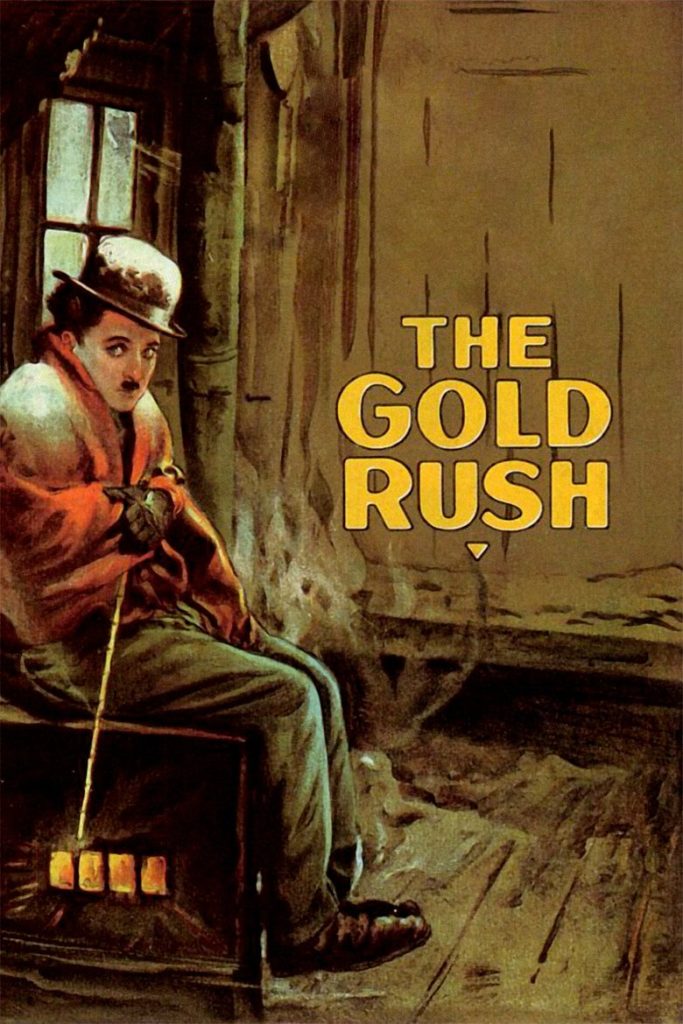
The Gold Rush is a classic silent film set during the Alaskan gold rush era. It follows a lone prospector as he faces harsh winter conditions, hunger, and comedic misadventures while trying to survive. His journey includes both physical struggles and his hopeful pursuit of romance with a dance hall performer, blending slapstick humor with moments of pathos.
Parent Guide
A classic silent comedy with gentle humor and mild peril, suitable for most children with some guidance.
Content breakdown
Comedic peril includes characters in dangerous situations like blizzards, hunger, and near-falls, all presented in exaggerated silent film style.
Some tense moments involving survival challenges, but nothing graphic or intensely frightening.
Silent film with title cards; no spoken dialogue.
No sexual content or nudity; includes chaste romantic interest.
No depiction of substance use.
Moments of loneliness and struggle balanced with uplifting humor and resolution.
Parent tips
This silent film from 1925 features Charlie Chaplin's signature physical comedy that is generally gentle and exaggerated, making it accessible for children. However, some scenes depict perilous situations like blizzards, hunger, and a character nearly falling off a cliff, which might be tense for very young viewers. The black-and-white format and lack of dialogue may require some explanation for modern kids, but the visual storytelling is clear and engaging.
Parent chat guide
Parent follow-up questions
- What was your favorite funny part?
- How did the man stay warm in the snow?
- Did you like when they danced?
- Why do you think people went looking for gold?
- How did the characters show they were friends?
- What would you do if you were hungry like the man in the movie?
- How does the film show both funny and sad moments?
- What does the movie teach about surviving hard times?
- Why do you think silent films used so much physical comedy?
- How does Chaplin use comedy to address serious themes like poverty?
- What historical realities of the gold rush does the film portray?
- How does the film's visual storytelling work without dialogue?
🎭 Story Kernel
The Gold Rush isn't really about gold—it's about the human need for belonging in a hostile world. The Little Tramp's journey through the Klondike reveals how desperation strips away social pretenses, leaving raw vulnerability. His obsession with Georgia isn't romantic fantasy but survival instinct—she represents warmth, civilization, and hope against the literal and metaphorical cold. The film's central tension pits material greed against emotional need, with Chaplin suggesting that true wealth lies in shared humanity. Even the famous shoe-eating scene transforms grotesque survival into poignant communion when shared with others.
🎬 Visual Aesthetics
Chaplin's visual language masterfully contrasts vast, empty landscapes with intimate, cramped interiors. The opening mountain pass sequence uses forced perspective to dwarf the prospectors against nature's indifference. Inside the cabin, tight framing creates claustrophobic tension between characters. Notice how light sources—fireplaces, candles, lanterns—become visual anchors in the darkness, representing fragile civilization. The dance of the rolls sequence uses precise choreography to transform simple bread into elegant ballet, showcasing Chaplin's ability to elevate mundane objects through cinematic poetry. His physical comedy isn't just slapstick but visual storytelling about resourcefulness.
🔍 Details & Easter Eggs
💡 Behind the Scenes
Chaplin spent a year researching the Klondike Gold Rush, studying photographs of prospectors' actual cabins. The film's massive sets were built at Chaplin Studios—the mountain pass required one of Hollywood's largest outdoor sets. Mack Swain (Big Jim) nearly suffocated during the cabin tilt scenes due to the awkward angles. Chaplin considered this his favorite film and personally re-edited the 1942 sound version, replacing his original narration with his own voiceover. The famous roll dance was inspired by a Parisian cabaret act Chaplin saw years earlier.
Where to watch
Choose region:
- Amazon Prime Video
- fuboTV
- HBO Max
- HBO Max Amazon Channel
- Criterion Channel
- History Vault
- Eternal Family
- Amazon Prime Video with Ads
- FilmBox Live Amazon Channel
- Amazon Video
- Apple TV
- Amazon Prime Video Free with Ads
- Hoopla
- JustWatchTV
- FlixHouse
- Plex
- Plex Channel
- Darkroom
- Fawesome
Trailer
Trailer playback is unavailable in your region.