The Green Mile (1999)
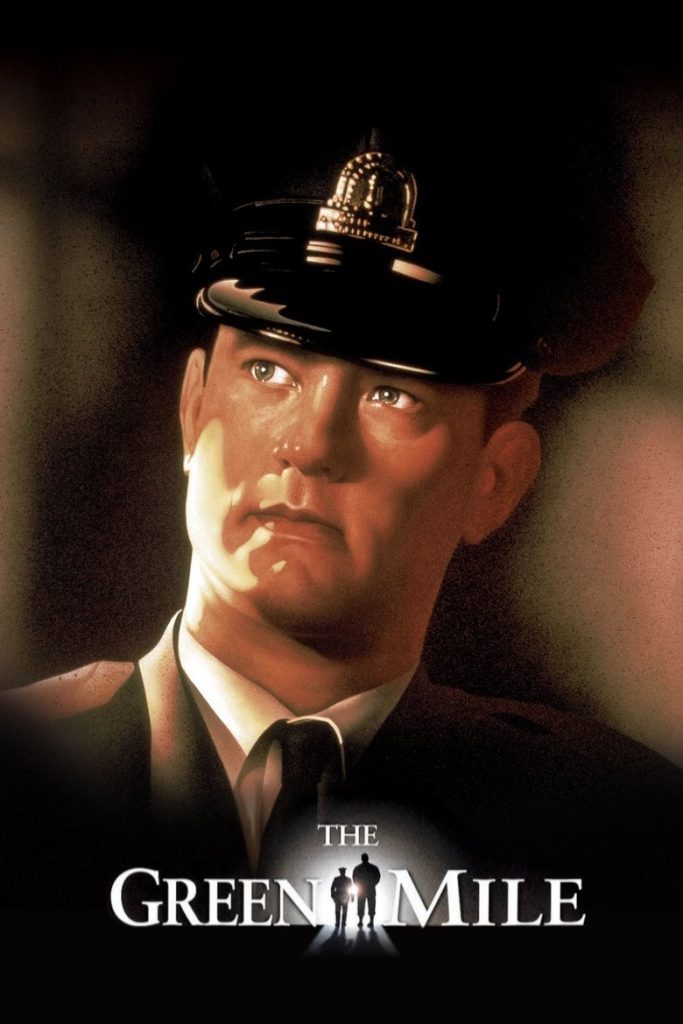
Story overview
The Green Mile is a supernatural drama set in a 1930s Southern prison death row. It follows prison guard Paul Edgecomb as he discovers that inmate John Coffey possesses mysterious healing abilities. The story explores themes of justice, compassion, and the supernatural within a harsh prison environment.
Parent Guide
A mature supernatural drama with intense themes best suited for older teens.
Content breakdown
Includes prison violence, execution scenes, and some graphic moments though not excessively gory
Contains disturbing prison situations, death row themes, and emotional intensity
Some strong language and racial slurs consistent with historical prison setting
Minimal sexual content, brief suggestive dialogue
Some tobacco use consistent with historical period
High emotional content dealing with death, injustice, and moral dilemmas
Parent tips
This R-rated film contains mature themes including death penalty discussions, prison violence, and strong emotional content. The nearly 3-hour runtime and slow pacing may challenge younger viewers' attention spans. Parents should be aware that the prison setting includes disturbing situations and some graphic moments that could upset sensitive viewers.
Parent chat guide
Parent follow-up questions
- How did the big man make people feel better?
- What colors did you see in the movie?
- Were there any nice guards in the story?
- What was your favorite part?
- How did the movie make you feel?
- Why do you think John had special powers?
- How did the guards show kindness to prisoners?
- What does 'doing the right thing' mean in this story?
- How did different characters show courage?
- What would you do if you saw someone being treated unfairly?
- What does this film say about justice and fairness?
- How does the supernatural element change how we see the characters?
- Why do you think some characters made cruel choices?
- How does the setting affect the story's mood?
- What lessons about empathy does this story teach?
- How does the film explore the morality of the death penalty?
- What commentary does the story make about institutional power?
- How do the supernatural elements serve as metaphors?
- What does the film suggest about redemption and forgiveness?
- How does the historical setting influence contemporary relevance?
🎭 Story Kernel
At its core, 'The Green Mile' is a profound meditation on the nature of evil and the burden of witnessing miracles in a place designed for death. It's not about whether John Coffey is innocent—we know he is—but about the spiritual corrosion that occurs when good men participate in a system that executes the divine. Paul Edgecomb's journey is one of moral suffocation; he administers state-sanctioned death while being forced to witness life-giving power. The film asks what's more monstrous: Wild Bill's violent evil or the bureaucratic machinery that executes a miracle? Every character on the mile becomes a prisoner—some of bars, others of conscience.
🎬 Visual Aesthetics
Frank Darabont crafts a visual prison that feels both expansive and claustrophobic. The Green Mile itself is shot with symmetrical precision, emphasizing the rigid order of institutionalized death. Warm amber tones dominate the prison interiors, creating a false coziness that contrasts with the cold blue of execution scenes. Notice how John Coffey is frequently framed through bars or doorways, visually reinforcing his captivity even during moments of transcendence. The camera lingers on faces during executions—not on the condemned, but on the executors, making us witnesses to their moral decay. The only vibrant color in this muted palette is the green linoleum, a path to death ironically named for life.
🔍 Details & Easter Eggs
💡 Behind the Scenes
Michael Clarke Duncan, a former bodyguard with no major film experience, was cast after Bruce Willis personally recommended him to Frank Darabont following their work on 'Armageddon.' The prison set was built inside a former Westinghouse turbine factory in Tennessee, with the mile itself constructed as one continuous 90-foot corridor. Tom Hanks insisted on keeping his character's urinary infection discomfort authentic, wearing padding that caused genuine pain during filming. The film's runtime—over three hours—was a point of contention with Warner Bros., but Darabont fought to preserve Stephen King's novelistic pacing.
Where to watch
Choose region:
- Netflix
- Netflix Standard with Ads
- Amazon Video
- Apple TV
- Google Play Movies
- YouTube
- Fandango At Home
- Spectrum On Demand
Trailer
Trailer playback is unavailable in your region.