
The Guardian of the Monarchs (2024)
Story overview
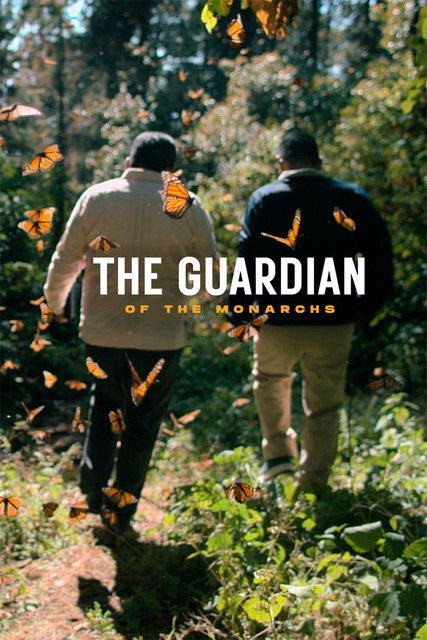
This documentary explores the monarch butterfly sanctuaries in Mexico's Michoacán forests, focusing on environmental activist Homero Gómez González's passionate advocacy for their protection. The film examines his mysterious disappearance, highlighting the dangers faced by conservationists and the broader struggle to preserve these vital ecosystems against threats like deforestation and illegal logging. It combines stunning natural footage with investigative journalism to tell a story of ecological importance and human courage.
Parent Guide
A documentary about environmental conservation that includes serious themes about activist disappearances. While visually beautiful with butterfly footage, the subject matter requires maturity to process.
Content breakdown
No graphic violence shown, but the film discusses the disappearance of an activist which implies potential danger. There are references to threats against conservationists and illegal activities in protected areas.
The central mystery of an activist's disappearance may be unsettling, particularly for sensitive viewers. The film creates tension through investigative storytelling but avoids graphic or shocking imagery.
No offensive language noted. The documentary features interviews and narration in Spanish with educational, respectful dialogue about environmental issues.
No sexual content or nudity present. The film focuses exclusively on environmental and investigative themes.
No depiction of substance use. The documentary maintains a serious tone focused on conservation issues.
The film deals with loss, environmental threat, and social injustice themes that may evoke strong emotions. The disappearance narrative creates suspense and concern, balanced by hopeful conservation messages.
Parent tips
This documentary deals with mature themes including a real-life disappearance that may be unsettling for younger viewers. The film focuses on environmental activism and conservation, but includes discussions of potential violence against activists. Best suited for children aged 8+ with parental guidance to help process the serious subject matter. The documentary is in Spanish with English subtitles, which may require reading assistance for younger viewers.
Parent chat guide
Parent follow-up questions
- Did you like seeing the butterflies?
- What colors did you see in the forest?
- Why do you think butterflies are important?
- What did you learn about monarch butterflies?
- Why do you think Homero wanted to protect the forest?
- How can we help protect animals in nature?
- What challenges do environmental activists face?
- Why is the monarch butterfly migration so special?
- What did the film show about the connection between people and nature?
- What does this documentary reveal about the risks of environmental activism?
- How does this story reflect broader issues of conservation versus development?
- What ethical questions does the film raise about protecting natural resources?
🎭 Story Kernel
The film serves as a rigorous investigative autopsy of the life and suspicious death of Homero Gómez González, the tireless protector of the El Rosario monarch butterfly sanctuary in Michoacán. It transcends the typical true-crime genre by framing Homero’s disappearance not as an isolated incident, but as a symptom of the violent intersection between illegal logging, organized crime, and political negligence. The narrative explores the dual nature of the monarch migration: a breathtaking natural wonder and a lucrative territory for cartels. By weaving together family testimonies and journalistic inquiry, the documentary exposes the chilling vulnerability of environmental activists in Mexico, illustrating how the quest to preserve a species can lead to the ultimate personal sacrifice in a landscape governed by silence and impunity.
🎬 Visual Aesthetics
The cinematography masterfully balances the sublime with the macabre, utilizing high-definition drone shots to capture the ethereal, orange-blanketed forests of Michoacán. These sweeping visuals of millions of butterflies create a sharp, painful contrast against the grainy, claustrophobic archival footage of search parties and the somber, low-lit interviews with Homero’s grieving relatives. The visual language uses the monarch as a recurring motif of fragility; the delicate fluttering of wings is juxtaposed with the heavy, scarred landscape of deforested hillsides. Symbolism is found in the recurring imagery of water—the well where Homero was found—transforming a source of life for the forest into a site of unresolved mystery and tragedy, effectively mirroring the murky nature of the official investigation.
🔍 Details & Easter Eggs
💡 Behind the Scenes
Directed by Emiliano Ruprah de Fina, the documentary was released on Netflix in 2024 to coincide with heightened global awareness of the dangers facing environmental defenders. The production team conducted extensive interviews with Homero’s son, Homero Gómez Valencia, who has since taken up the mantle of his father’s activism. The film also references the tragic parallel case of Raúl Hernández Romero, another butterfly conservationist found dead shortly after Homero, highlighting a pattern of violence. The director utilized investigative journalism techniques to piece together a timeline that local law enforcement had largely ignored for years.
Where to watch
Choose region:
- Netflix
- Netflix Standard with Ads