
The Guernsey Literary & Potato Peel Pie Society (2018)
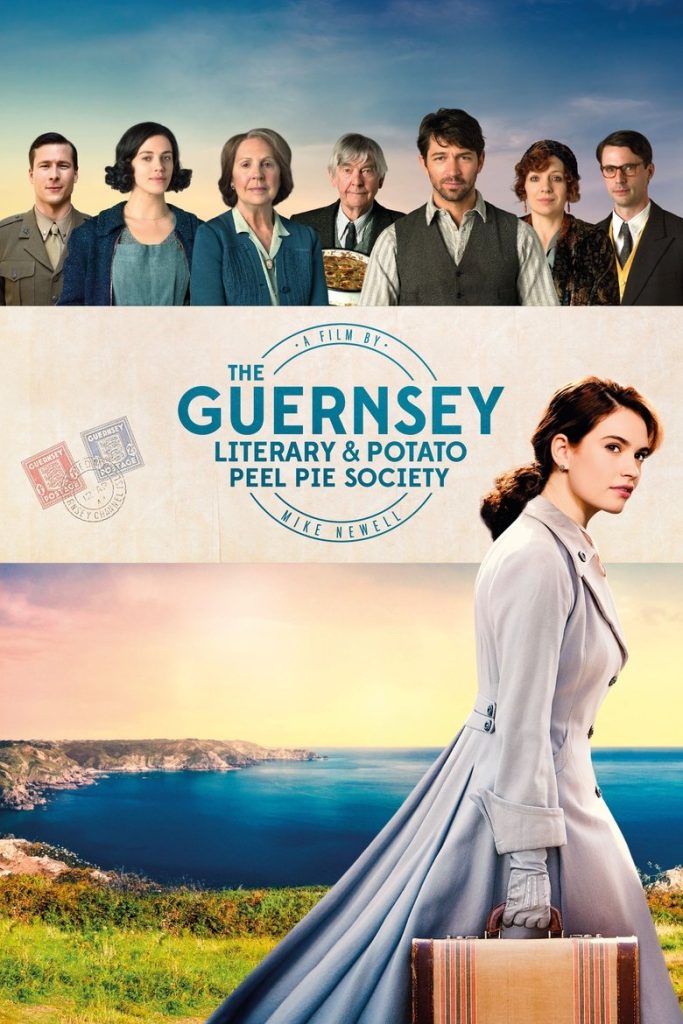
Story overview
Set in 1946, this film follows a London writer who travels to the island of Guernsey to learn about a unique book club formed during the German occupation in World War II. Through letters and meetings with the club members, she uncovers their wartime experiences and personal stories of resilience. The narrative explores themes of friendship, loss, and healing in the aftermath of conflict, blending historical drama with romantic elements.
Parent Guide
A thoughtful historical drama about post-war healing with mature themes suitable for older children and teens.
Content breakdown
References to wartime violence and occupation, but no graphic depictions.
Themes of loss, separation, and wartime trauma may be emotionally affecting.
No notable strong language based on available information.
Romantic themes and mild affection, but no explicit content.
No notable substance use depicted.
Deals with grief, wartime trauma, and complex relationships.
Parent tips
This historical drama deals with mature themes related to World War II occupation, including loss, separation, and emotional trauma, though it does so with restraint. The TV-14 rating suggests content may be unsuitable for children under 14 without parental guidance. Parents should be prepared to discuss the historical context of German occupation and its emotional impact on civilians.
Parent chat guide
Parent follow-up questions
- What did you think about the people in the story?
- How do you think the characters felt when they couldn't see their friends?
- What was your favorite part of the movie?
- Why do you think the book club was important to the characters?
- How did the characters help each other during hard times?
- What does it mean to be brave in difficult situations?
- How does the film show the impact of war on ordinary people?
- What role does storytelling play in helping characters cope with their experiences?
- How do the characters balance honesty with protecting others' feelings?
- How does the film explore the moral complexities of living under occupation?
- What does the relationship between past trauma and present healing reveal about human resilience?
- How does the film challenge or reinforce your understanding of historical narratives?
🎭 Story Kernel
The film explores how shared stories create identity and community in the face of trauma. It's not just about surviving occupation, but about how people forge meaning through collective imagination when reality becomes unbearable. Juliet's journey reveals that truth often lies in the spaces between official histories—the personal narratives that official records erase. The society members didn't just read books; they performed identity through them, using literature as both escape and resistance. The driving force isn't romance but the human need to reconstruct shattered selves through narrative, showing how communities can literally write themselves into existence.
🎬 Visual Aesthetics
The cinematography creates a powerful contrast between London's cold, gray postwar austerity and Guernsey's evolving palette. Early island scenes use muted, desaturated colors reflecting collective trauma, which gradually warm as Juliet uncovers truths. The camera often frames characters through windows and doorways, visually emphasizing barriers being crossed. The Channel Islands' rugged coastline serves as both prison and sanctuary, with sweeping shots emphasizing isolation. Notice how indoor scenes use tight compositions when characters guard secrets, opening to wider shots as trust develops. The visual language mirrors the narrative's movement from confinement to emotional liberation.
🔍 Details & Easter Eggs
💡 Behind the Scenes
The film was shot on location in Devon and Cornwall standing in for Guernsey, as the actual island's modern development made 1940s authenticity difficult. Lily James prepared by reading actual letters from the occupation period. Michiel Huisman (Dawsey) is Dutch and brought personal understanding of wartime occupation from his own family history. The book club scenes required extensive research into what books would have been available and controversial during Nazi occupation. Interestingly, several older extras were actual Channel Islands residents who lived through the occupation, bringing authentic mannerisms to background scenes.
Where to watch
Choose region:
- Netflix
- Netflix Standard with Ads
Trailer
Trailer playback is unavailable in your region.